Accommodation and Travel Tips for Phalaborwa, Limpopo
Phalaborwa is a gateway in Limpopo that blends wildlife experiences with easy access to the northern reaches of the Kruger National Park. The town serves as a convenient base for travellers who want a mix of self-catering stays, lodge-style comfort and proximity to nature without sacrificing convenience. When planning a visit, consider both where you stay and how you move around, so you can enjoy the surrounding wilderness, local dining and the region’s outdoor activities at a relaxed pace.
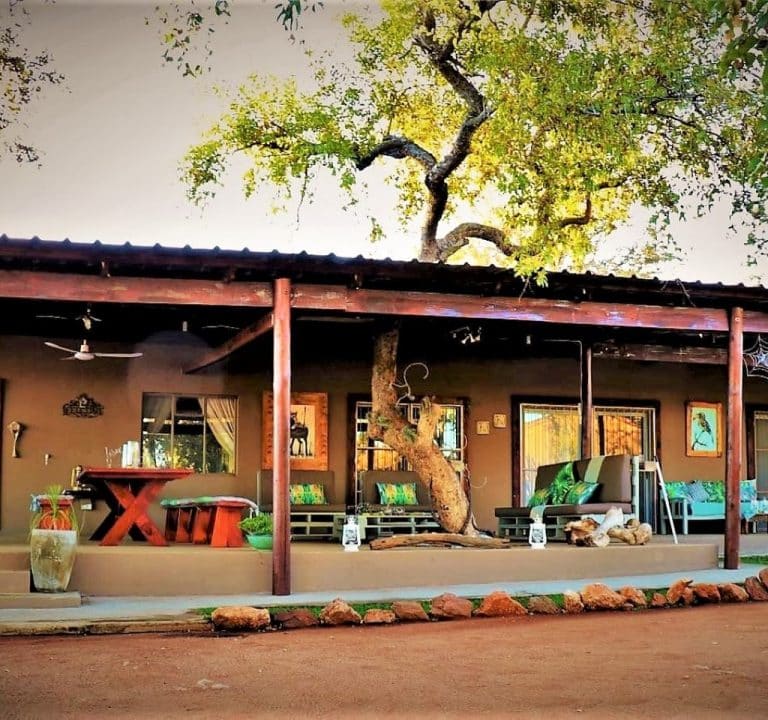
In Phalaborwa, accommodation tends to fall into a few broad categories. Self-catering options range from bush camps to guesthouses with fully equipped kitchens, offering flexibility for families and groups. For those who prefer more traditional hotel or lodge settings, there are boutique lodges and guesthouses that combine comfortable rooms with on-site facilities such as swimming pools, curio shops and guided tour arrangements. As with any safari-focused area, many stays emphasise an immersive, low-impact approach to wildlife viewing, with terraces or verandahs that invite early-morning coffee or late-afternoon sunsets.
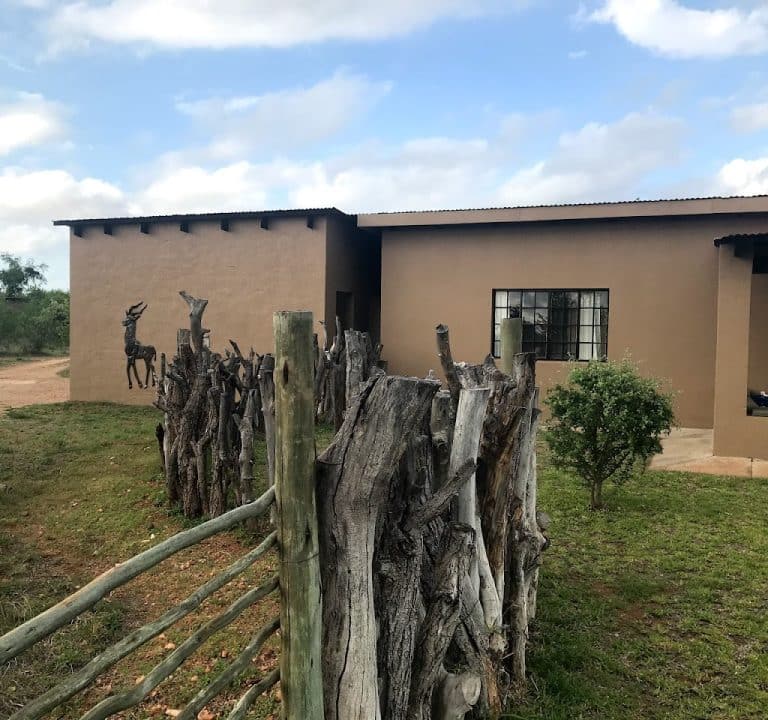
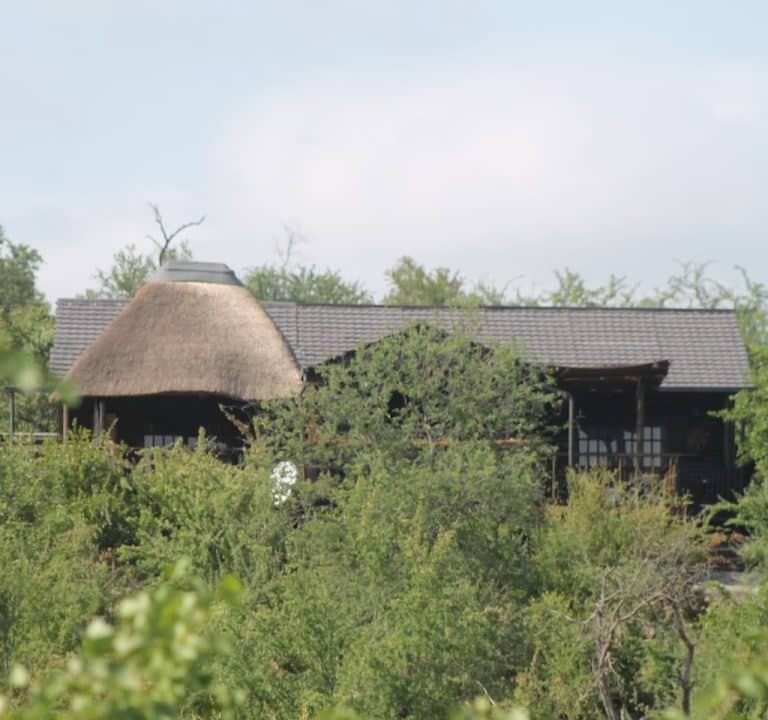
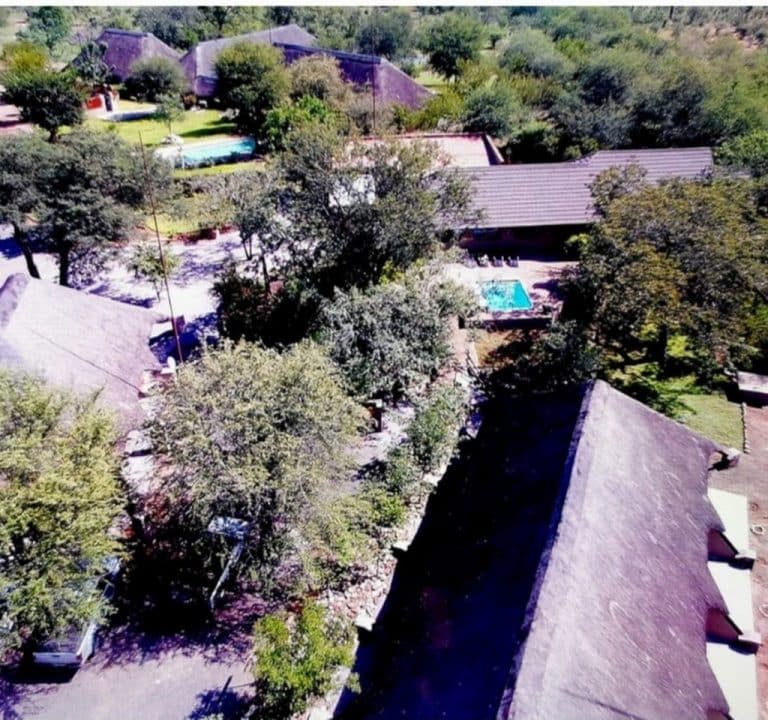
One example to explore is Antares Bush Camp & Umgede Hide, a self-catering option that emphasises independence and immersion in the surrounding landscape. While staying here, guests can plan their days around their own schedules, with the freedom to prepare meals on-site and set their own pace for wildlife viewing. The website provides practical information about the property and how it fits into a longer stay in the region.
When choosing where to base yourself, think about access to the main sights you wish to visit. Phalaborwa is well placed for day trips into nearby natural areas and game reserves. Consider the distance to the Kruger National Park’s entrances and the time you want to devote to animal viewing, guided walks, or off-road adventures. If you plan early-morning drives or late-evening safaris, a room with blackout curtains and a comfortable sitting area can be very helpful. For families or groups, a self-catering unit with towels, a kitchen or kitchenette and adequate seating can streamline meal times and keep everyone nourished after long days outdoors.
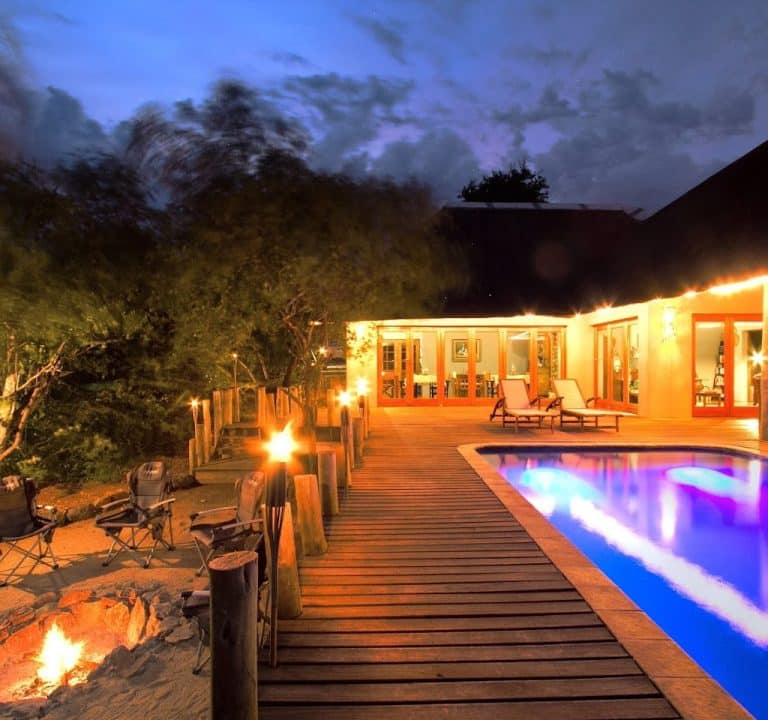
Typical amenities you may encounter include reliable wi‑fi, air conditioning, secure parking, and in-room comforts such as fans or heaters to cope with changing seasons. Pool facilities can be a welcome feature in warmer months, while shaded outdoor spaces, braai (barbecue) areas and outdoor seating help you enjoy the balmy Limpopo evenings. If you’re planning to cook, make sure the kitchen is well equipped with enough pots, pans and utensils for the size of your party, and check whether ingredient basics or groceries can be arranged locally if your stay starts late in the day.
Transport and getting around are central to a pleasant stay. In Phalaborwa, most visitors rely on a car to reach the town’s amenities and to venture into wildlife areas. If you don’t drive, check whether your accommodation can organise transfers or guided tours, as this can simplify logistics. Even with a car, plan extra time for road conditions and seasonal weather, which can influence travel times. A map or GPS will help when navigating rural routes, and it’s wise to have a small amount of local currency for paid parks or entrance fees, where applicable.
Best time to visit Phalaborwa for wildlife varies with the season. The dry winter months often provide clearer animal sightings as animals congregate around water sources, while the summer rainy season can bring lush scenery and active birdlife. Shoulder seasons can be more comfortable in terms of temperatures and crowds, making it a good compromise for those seeking quieter game drives and a slower pace. Weather can still be warm during the day and cool at night, so packing layers is sensible all year round.
Practical tips to help you plan your stay:
- Book early if you plan to visit during peak wildlife viewing periods or school holidays.
- Choose accommodation with easy access to main roads and parking if you plan day trips to nearby reserves or parks.
- Verify what amenities are essential for you (self-catering facilities, swimming pool, laundry, guided tours) and confirm availability before arrival.
- Check cancellation policies and any minimum-stay requirements, particularly for self-catering properties that cater to longer stays.
- Consider combining a few nights in Phalaborwa with a half-day or full-day guide-led experience to maximise wildlife opportunities.
When it comes to dining and experiences, Phalaborwa offers the reassuring option of easy-to-find meal spots and casual eateries, alongside more remote or lodge-based dining experiences that let you enjoy regional ingredients in a relaxed setting. For broader culinary options, you’ll find a mix of casual cafés and family-friendly venues that focus on uncomplicated, hearty meals. Guides and lodge hosts can often point you towards authentic experiences—such as guided walks, birdwatching sessions and personalised safaris—that align with your interests and mobility needs. For those seeking a structured itinerary with wildlife emphasis, liaising with your accommodation about day trips and transfer arrangements can help you craft a balanced plan that captures both the natural drama of the area and the comfort of a well-chosen base.
Phalaborwa’s blend of practical, comfortable accommodation and candid access to the surrounding wilderness makes it a friendly option for safari first-timers and seasoned travellers alike. With careful planning—focusing on where to stay, how you move and what you want to experience—you can enjoy a memorable stay that feels comfortably rooted in the pace of the region.