Durban: Where to stay, what to explore and how to plan a great visit
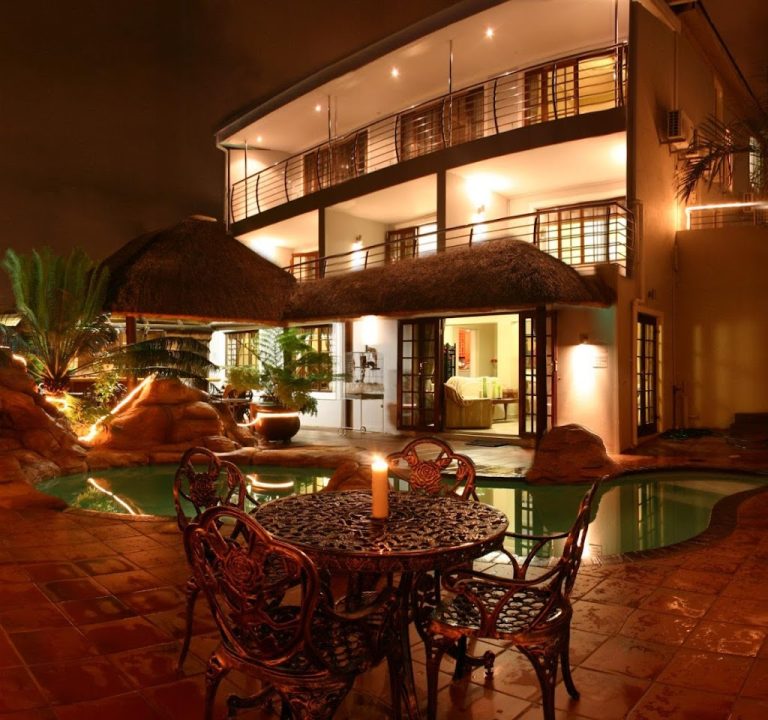
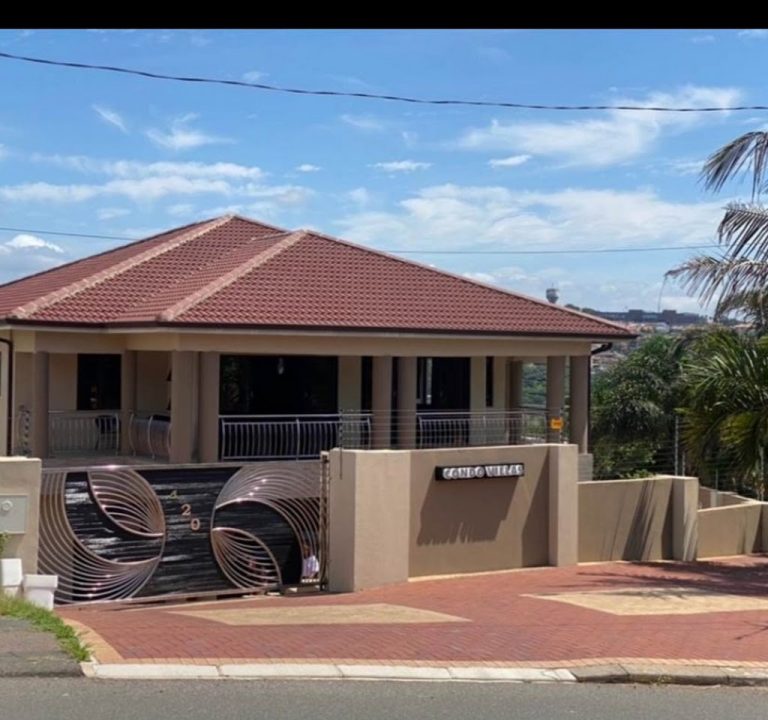
Durban, a vibrant coastal city in KwaZulu-Natal, blends subtropical beaches with a lively cultural scene and convenient access to nature and wildlife experiences. When planning a stay, consider how you want to balance beach time, city exploration, and day trips to nearby attractions. Durban’s accommodation spans modern hotels, guesthouses, and family‑run B&Bs, often with friendly hosts who can offer local tips and personalised itineraries. A renowned bed & breakfast option such as Andora Inn BnB can provide a homely base with easy access to major sights while keeping you close to local neighbourhood character.
Areas to consider for your stay include the Golden Mile and the beachfront precinct, which are ideal for first‑time visitors who want direct access to sea views, promenade walks, and a cluster of restaurants and shops. Morningside and Greyville offer convenient access to the city centre and the uShaka Marine World area, with quieter streets and a more residential atmosphere. If you prefer a more laid‑back coastal vibe with easy access to upscale dining and beaches, Umhlanga Rocks and the larger Umhlanga Village are popular choices. For a blend of cultural experiences and more affordable options, the central city and nearby wards provide a rich mix of guesthouses and boutique hotels with easy transport links.
When choosing accommodation, think about a few practical details. Look for secure, well‑lit parking or reliable transfers if you plan to rent a car. Check the proximity to MyCiTi bus stops or taxi routes if you plan to rely on public transport. Confirm whether breakfast is included and if there are on‑site eateries or nearby cafés if you anticipate early starts. Comfortable rooms with air conditioning or ceiling fans are important in Durban’s warm months, and many properties offer swimming pools, shaded outdoor spaces, and leafy courtyards that can be a welcome retreat after a hot day.
Typical amenities to look for include flexible check‑in times, clear cancellation policies, and a friendly staff presence that can offer local recommendations. In smaller B&Bs or guesthouses, a personal touch—such as a guest lounge, honesty bar, or curated maps of local routes and markets—can transform a stay. For families, inquire about adjoining rooms or suites, child‑friendly spaces, and any safety features in the building. If you are travelling with a pet, confirm pet policies in advance and be mindful of areas where pets are allowed.
Planning your days around Durban’s weather helps you make the most of outdoor experiences. The city enjoys warm summers with plenty of sunshine and a humid subtropical climate, so beach time can be most enjoyable from late autumn to early spring in the southern hemisphere. However, summer storms can roll in, so it’s wise to have backup indoor options such as museums, markets, or craft galleries. The annual cultural calendar includes music, dance, and food events that celebrate Zulu heritage and Indian‑South African influences, often aligning with public holidays and school breaks. The shoulder seasons—autumn and spring—usually offer pleasant temperatures, lighter crowds, and more affordable rates for accommodation.
Top attractions and experiences in Durban flow from the coastline to higher ground and include family‑friendly and more relaxed options. On the coast, a stroll along the Golden Mile is a classic way to begin, followed by a visit to the nearby harbour precinct or a ride along the beachfront promenades. The uShaka Marine World complex provides marine life exhibits and an aquarium environment that can be appealing for all ages, while the nearby Durban Botanic Gardens offer a restful escape with subtropical plant life and shaded paths. For a broader look at wildlife and landscapes, consider a day trip to the Valley of a Thousand Hills or the nearby Midlands meander, where you can combine scenic drives with insights into local crafts and rural life. Cultural highlights often include vibrant markets, spice routes, and small eateries that showcase Durban’s diverse culinary influences.
Durban’s dining scene spans casual street‑style cafés to refined dining, with a strong emphasis on seafood, curries, and fresh produce. In visitor areas, you’ll find an array of eateries poised to cater to different budgets and tastes, from slow‑cooked Durban curries to light seafood plates and contemporary fusion dishes. For a balanced plan, pair a daytime coastal stroll with an evening meal in a lively precinct or a quieter neighbourhood restaurant that offers a more local experience. When budgeting for meals, remember that the cost of dining can vary widely by area, so exploring a few neighbourhoods can yield both excellent value and memorable flavours.
- Useful planning tips: book ahead during peak seasons and school holidays; check if your accommodation offers airport or city transfers; double‑check parking arrangements; and keep a rough day‑by‑day plan with a mix of beach time, cultural visits, and relaxed meals.
Access to Durban is straightforward from Cape Town or Johannesburg via domestic flights, with an expanding network of road routes for road trips or self‑drive explorations. If you are staying in central districts, you may not need a car for short visits, but it can be beneficial for wider day trips or shopping excursions. Durban’s accommodation scene rewards guests who communicate their interests and pace, so sharing your preferences with hosts or concierge staff can unlock customised recommendations for markets, viewpoints, and photos‑worthy sundown spots. With thoughtful planning, a stay in Durban brings a balance of sea air, vibrant culture, and convenient access to KwaZulu‑Natal’s stunning landscapes.