Nongoma, KwaZulu-Natal: Accommodation, Attractions and Practical Planning for Visitors
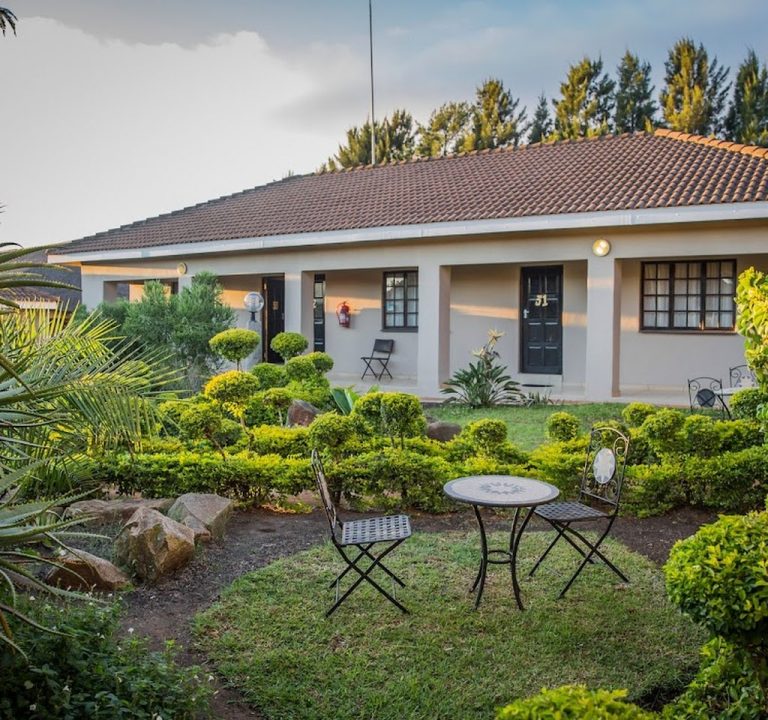
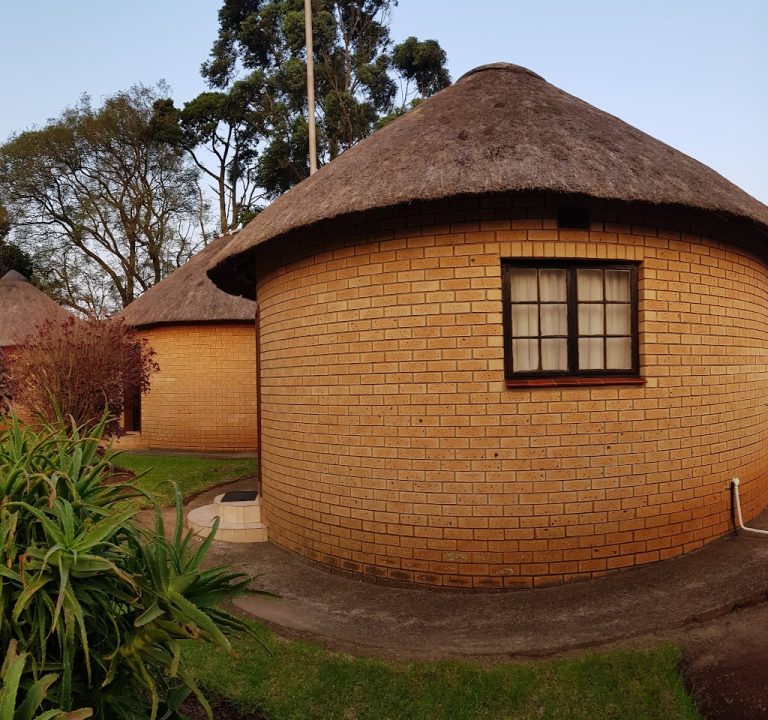
Nongoma sits in the northern reaches of KwaZulu-Natal, a region rich in Zulu culture, rolling hills and easy access to the wider KwaZulu-Natal coastline and wildlife landscapes. When planning a stay here, travellers typically balance cultural experiences with comfortable lodging and convenient access to nearby attractions. Accommodation ranges from intimate guesthouses and B&Bs to purposefully located lodges that blend with the rural scenery. For those seeking a more dedicated rural experience, a lodge such as Amphimanga Lodge CC offers a suspended sense of privacy within the landscape, while still being close enough to town amenities and local sights.
Where to stay matters as much as what to do. In Nongoma, consider areas that strike a balance between authentic village life and practical transport links. Central town locations tend to provide the best access to shops, markets and dining, while rural or lodge-owned properties often deliver more space, a closer connection to nature, and opportunities to observe birds and small mammals at dawn and dusk. If you’re planning day trips, pick a base that’s reasonably close to the main roads leading to Hluhluwe-Imfolozi Park, the Battlefields Route, or other cultural experiences in rural KwaZulu-Natal.
Booking with consideration of practical details helps avoid last-minute stress. Look for properties that clearly state security provisions, on-site parking or safe street access, and the availability of essential services such as hot water, reliable power, and clean, well-maintained rooms. If you’re travelling with family or groups, check room configurations, whether travel cots or extra beds are provided, and the policy on shared spaces. For business travellers or those on longer stays, enquire about workspaces, Wi‑Fi reliability, and proximity to eateries and local shops.
Typical amenities across Nongoma’s guesthouses, B&Bs and lodges include en-suite bathrooms, air conditioning or fans for warmer evenings, mosquito nets in certain rooms, and breakfast options that showcase regional flavours. Some properties offer picnic areas, outdoor seating, or barbecue facilities to enjoy easy meals on warmer evenings. For guests seeking a more immersive stay, look for hosts who can arrange guided cultural visits, craft demonstrations or recommendations for nearby markets and eateries.
Transport is a practical consideration. The region is best explored with a car, giving you the flexibility to move between cultural sites, viewpoints and local eateries at your own pace. Public transport can be limited, and private transfers or guided day trips are common ways to navigate between dispersed attractions. If you plan to drive, ensure you have a reliable vehicle, especially if venturing to rural lodges or game-friendly areas where gravel or rural roads may be encountered. It’s wise to check with your accommodation about secure parking and any recommended routes or local cautions.
The best time to visit Nongoma depends on your interests. Winter (June to August) brings cooler, drier days that are pleasant for safaris in nearby wildlife areas and for exploring outdoor markets without the heat. Spring and autumn offer balanced weather, making day trips comfortable for walking and sightseeing. The summer rainy season (roughly November to March) can bring lush scenery and dramatic afternoon showers, which is perfect if you enjoy green landscapes and birdlife but may require flexible planning for outdoor activities. Always pack a light layer for cooler evenings and a hat and sunscreen for daytime outdoor exposure.
Attractions and experiences in and around Nongoma are rooted in culture and nature. Visitors can expect welcoming interactions with local communities, opportunities to learn about traditional crafts, and insights into rural Zulu life. Cultural tours, craft markets and guided village visits offer perspective on daily living, music, dance and handmade wares. The surrounding countryside also offers scenic drives, nature viewpoints and photo opportunities that emphasise the contrast between green fields, forests and distant ridges. Within reasonable traveling distance, nature reserves or wildlife areas provide chances for wildlife watching and guided walks.
When it comes to dining, local restaurants and eateries typically emphasise fresh ingredients and regional flavours. Expect straightforward menus featuring staples—bread, starches, grilled meats, seasonal vegetables and hearty stews—often accompanied by citrus- or herb-forward sides. For a more relaxed evening, some lodges and guesthouses offer on-site dining or set meals that showcase regional produce. If you’re planning ahead, it’s helpful to seek recommendations from your host about where to try local favourites and what dishes are in season during your stay.
Practical tips to help you plan a smooth visit:
- Choose accommodation based on accessibility to main routes and the kind of experience you want—cultural immersion, relaxation, or wildlife on your doorstep.
- Ask about security, parking, and nearby medical facilities, especially if you’ll be driving into rural areas.
- Pack adaptable clothing for variable weather: mornings can be cool, afternoons warm, and sudden showers possible in other seasons.
- Discuss with hosts or lodges about guided outings, cultural tours, or self-guided day trips to nearby sights.
- Check cancellation policies and minimum stay requirements during peak travel periods to avoid surprises.
- Respect local customs and wildlife viewing guidelines when visiting communities or nature areas.
Whether you’re seeking a tranquil countryside break, a chance to learn about Zulu culture, or a comfortable base from which to explore northern KwaZulu-Natal, Nongoma offers a warm welcome, a landscape of quiet beauty, and a range of lodging to suit different tastes and budgets. With thoughtful planning, your stay can blend restful accommodation with meaningful experiences, all within easy reach of the region’s distinctive attractions and dining options. For further details and inspiration, you can explore regional tourism resources and individual property pages to tailor a stay that fits your plans.