Dullstroom: A Practical Guide to Accommodation and Things to Do
Situated high on the Mpumalanga highveld, Dullstroom blends fresh air, rolling landscapes and a relaxed village atmosphere that appeals to escapees, families and diligent explorers alike. The town is known for its trout fishing, birdlife and scenic walks, but it also offers a range of comfortable lodging options that suit different styles and budgets. When planning a stay, it helps to think about which part of town you’ll use as a base, how you’ll get around, and what you want from your downtime—whether that means cosy evenings by a log fire, easy access to nature trails, or a home away from home with self-catering facilities.
Areas to consider when booking include the historic centre, with its compact streets and easy access to shops and eateries; and the surrounding countryside, where guesthouses and lodges tend to offer more space, seclusion and expansive views. If you prioritise birds and trails, look for properties perched near nature reserves or on well-graded routes that keep you close to wildlife without long drives. For families or groups, self-catering cottages or lodges with communal spaces can provide flexibility for meal times and entertainment without compromising comfort.
Typical amenities you may encounter include well-equipped kitchens or kitchenettes, cosy living areas with fireplaces for cooler evenings, reliable heating or air‑conditioning, private or shared outdoor spaces, and secure parking. Many guesthouses and lodges provide breakfast as part of the stay, and several offer dinner options or easy access to nearby restaurants. Pets are sometimes welcome, but it is best to check pet policies in advance. For visitors seeking a touch more luxury, some properties feature spa facilities, expansive verandas, and panoramic views over the surrounding highveld. Always read the inclusions carefully—wi‑fi quality, power reliability, and cleaning frequency are practical considerations in this region where weather and power supply can affect daily routines.
Transport is a practical planning element. If you are flying into Mpumalanga’s larger hubs, you will typically hire a car to reach Dullstroom and explore the wider area at your own pace. A car gives you maximum flexibility for early morning fishing trips, late afternoon walks, or day trips to nearby towns and nature reserves. If you prefer not to drive, several lodges and guesthouses arrange transfers or offer guided activities, though this may limit spontaneity. Should you use public transport, plan for longer travel times and confirm local taxi or shuttle availability in advance.
Best time to visit depends on what you’re after. Spring and autumn bring mild temperatures, making long walks and outdoor meals particularly pleasant. Summer can be wetter with afternoon showers, yet it also brings lush greenery and vibrant birdlife. Winter is cooler and wonderfully quiet, with clear skies and excellent fishing conditions in the streams. Pack layers, a reliable rain shell, and a warm garment for chilly evenings. If you are chasing astrophotography or star-lit skies, the high-veld’s clear nights are often agreeable for night-sky viewing. Always check the local weather forecast a day ahead and plan outdoor activities accordingly.
Practical planning tips to consider before you book:
- Location and access: Identify what you want to be close to—fishing spots, walking trails, or village facilities—and choose a property that minimises unnecessary travel time.
- Self-catering vs. full board: Decide whether you prefer cooking for yourself or enjoying breakfast and occasional meals on-site or nearby. This affects kitchen facilities and budget.
- Space and privacy: For groups or families, look for properties with separate bedrooms or self-contained units, plus outdoor space for sun, shade, and playtime.
- Power and connectivity: In some parts of Mpumalanga, power supply can be variable. If you rely on internet or work remotely, check Wi‑Fi reliability and backup options with your host.
- Booking flexibility: Read cancellation policies and plan for contingencies, especially if travel plans may change due to weather or activities.
- Local experiences: Consider proximity to activities such as trail walks, fishing, birding, and farm-to-table dining experiences. Booking an inclusive package or guided activity can enhance your stay.
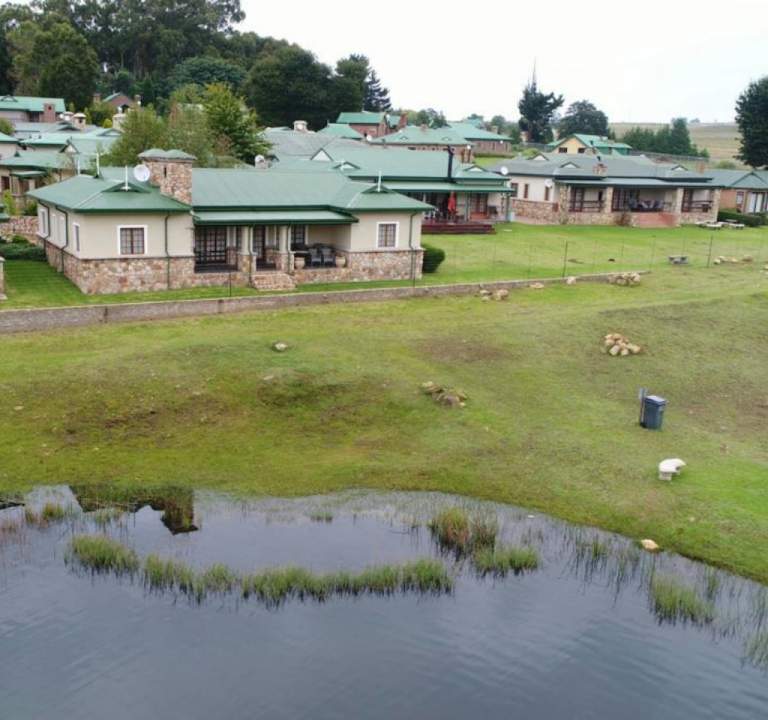
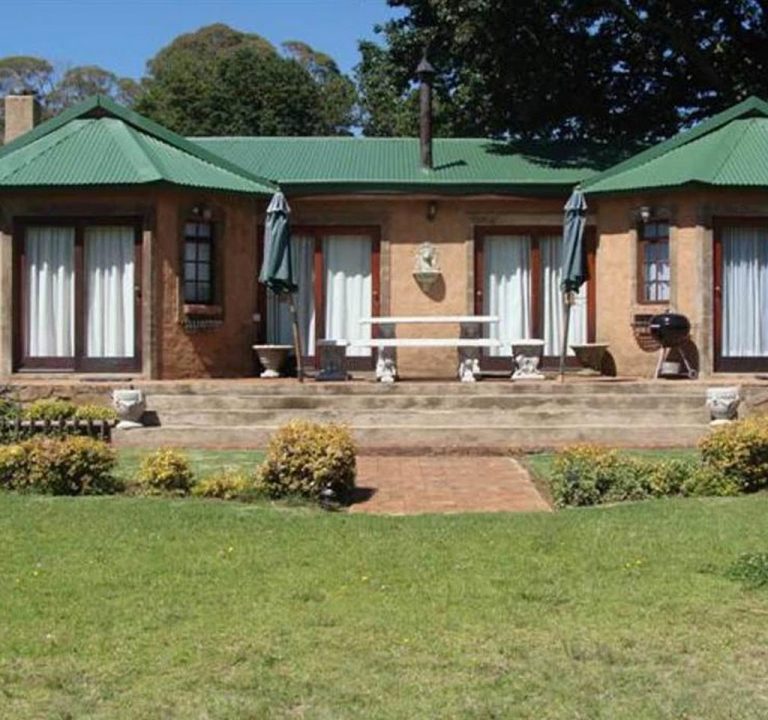
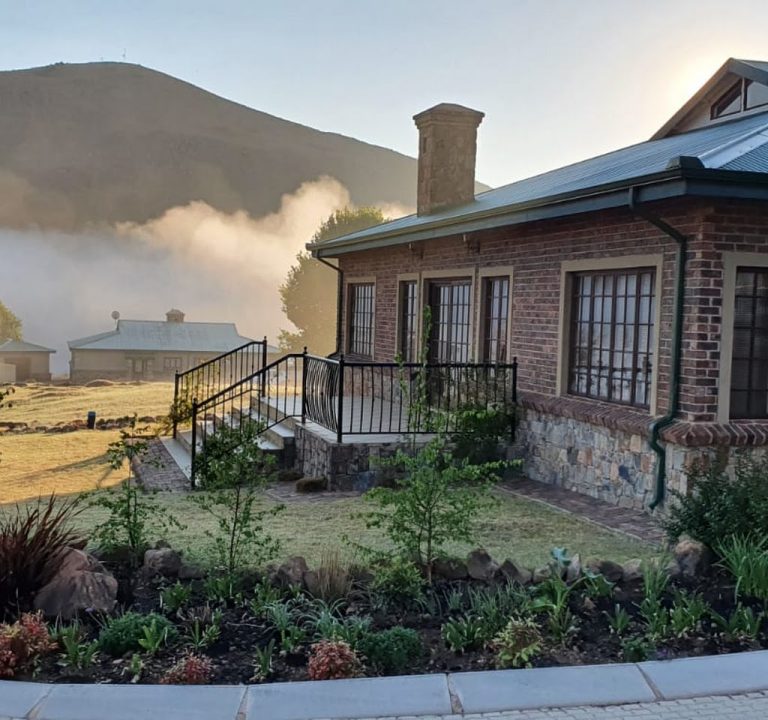
One notable lodging option in the area is Ambassador Lodge, a well-positioned base for visitors seeking a comfortable, country-style stay with ample space and convenient access to Dullstroom’s surroundings. For more information and booking details, you can visit their official site at Ambassador Lodge.
When it comes to meals out, Dullstroom’s dining scene tends toward relaxed, unintimidating eateries that emphasise fresh, local produce and hearty comfort foods. Expect menus that celebrate game and trout in season, with options for guests seeking lighter bites, vegetarian choices, or indulgent puddings after a long day outdoors. While exact offerings will vary by venue, most restaurants in town pride themselves on friendly service and a cosy, informal atmosphere—perfect after a day spent exploring streams, galleries, and the surrounding countryside.
To summarise, a stay in Dullstroom offers a balance of restful accommodation, scenic possibilities and accessible dining. By choosing a lodging type and location that align with your preferred pace—whether you want a quiet retreat, a base for outdoor adventures, or a social hub near the village—you can craft a stay that feels both adventurous and restorative. With thoughtful planning, your visit to this Highland retreat can be as energising as it is leisurely.