Accommodation and Things to Do in East London, Eastern Cape
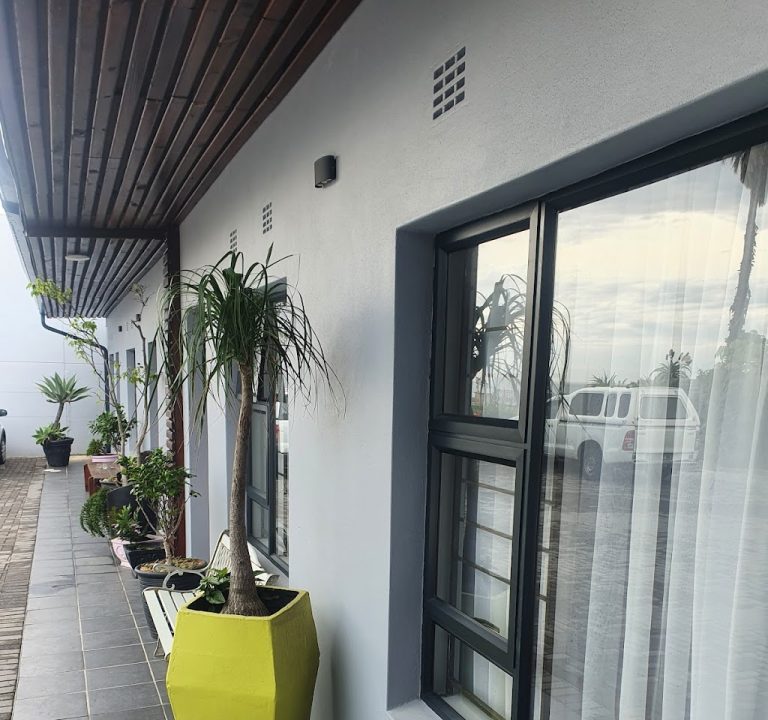
East London in the Eastern Cape offers a thoughtful mix of coastal scenery, historic streets, and family‑friendly attractions that suit a range of travellers. Whether you’re seeking a tranquil guest house stay near the shoreline, a convenient base close to the city centre, or a quieter retreat a short drive inland, there are accommodation options to fit different styles and budgets. For travellers seeking character and personal service, guest houses such as the Amajwara Guest House provide a sense of local hospitality alongside essential comforts.
When planning a stay, start by identifying the neighbourhood that best matches your priorities. If you want direct access to beaches and a lively promenade, look for properties near the beachfront or the inner harbour area. For a quicker hop to the city’s cultural sites and business districts, consider places closer to the town centre or the business belt. East London’s layout is relatively compact, which helps with walking distances and short drives to many attractions, but a car or reliable transport remains handy for exploring further afield or enjoying evening meals in diverse neighbourhoods.
Typical amenities to look for include complimentary continental or full breakfasts, secure parking, free Wi‑Fi, and flexible check‑in/out arrangements. Some guest houses offer private terraces, hydromassage showers, or scent‑rich bath products, which can elevate a short break. If you plan to work during your stay, check for a quiet workspace or a lounge area with reliable connectivity. Accessibility features and family‑friendly room configurations can also influence your choice, particularly if you are travelling with children or guests with mobility needs.
Transport options in East London are straightforward to work with. If you’re flying into the area, the regional airport is a common arrival point, and many guest houses arrange easy transfers or can suggest trusted taxi services. Within the city, taxis, rideshare apps where available, and local buses provide practical ways to move between beaches, parks, and dining precincts. If you intend to explore coastal routes or day trips to nearby coastal towns, a rental car offers the most flexibility and time efficiency. Packing light but practical footwear for beach walks and boardwalk strolls will also help you make the most of your days.
The best time to visit East London hinges on what you’re after. The summer months bring warmer seas and longer days, ideal for swimming, surfing, and outdoor dining by the harbour. Winter is milder than many inland regions and can offer quieter stays, lower rates, and opportunities to explore museums, markets, and local eateries without crowds. The shoulder seasons often provide a comfortable balance of pleasant weather and fewer tourists, which appeals to travellers seeking a relaxed pace and good value.
Accommodation descriptions in East London commonly highlight easy access to beaches, the Esplanade, and the city’s waterfront precinct. Guests can expect rooms that range from compact en‑suite options to more generous suites with living areas. Amajwara Guest House, for example, is illustrative of a guest house approach that blends personal service with practical comforts, offering a cosy base from which to explore the region. When booking, consider the room layout, whether you require an additional bed or a kitchenette, and any restrictions on noise levels or late check‑ins. If you’re travelling with a vehicle, confirm whether the property offers secure off‑street parking or on‑site parking; if you’re relying on taxis, ask about typical pickup times and proximity to major routes.
Food and dining are an approachable feature of a stay, with many guest houses providing breakfast as standard. Local dining scenes around East London include breezy seafood spots, casual cafés, and eateries serving distinctly South African fare. For visitors who enjoy sampling a neighbourhood’s flavours, a stroll to nearby eateries after a day on the coast or at the harbour can be a highlight. For wider variety, consider a short drive to other precincts where you’ll find a mix of bistros, casual eateries, and family‑friendly venues offering dishes that reflect the region’s coastal character and garden‑fresh produce.
Alongside time on the beach or the promenade, there are several low‑key attractions that suit a relaxed itinerary. Coastal walks along the shoreline, parks with play areas, and museums offer informative, family‑friendly experiences without the need for lengthy excursions. If you prefer a day trip, consider nearby towns and reserves that provide marine viewing, nature trails, and scenic drives. Planning tips include checking opening times for attractions, noting dress codes for coastal weather, and setting aside an afternoon for an authentic meal or a coffee stop in a central hub of activity.
Practical planning tips:
- Book with flexibility when possible, to accommodate weather changes or shifting plans.
- Ask hosts or reception staff about safe neighbourhood routes for evening strolls and recommended local eateries.
- Confirm what is included in breakfast, whether there are dietary options, and if self‑c catering facilities are available.
- Check transit options in advance for day trips, including approximate travel times and peak traffic hours.
East London offers a welcoming blend of beachside relaxation and urban convenience. With careful selection of your base—whether a boutique guest house near the harbour, a comfortable stay in the city centre, or a quiet retreat a short distance from the coast—you can tailor a stay that suits your interests. For further ideas and inspiration, you can explore official tourism resources online and plan a journey that blends comfortable accommodation with the region’s natural beauty and approachable hospitality. For more information about local lodging options and visitor experiences, visiting the area’s tourism pages or individual guest house websites can provide practical details and new ideas for itineraries.