Where to Stay in Cape Town and How to Plan Your Visit
Cape Town blends dramatic scenery with a welcoming mix of neighbourhoods, making it one of the most versatile destinations in South Africa. Whether you are seeking a cosy guesthouse with character, a stylish boutique hotel, or a family‑friendly lodge, the city offers a wide range of accommodation to suit every travel style. When planning a stay, it helps to think about what you want most from your visit—views, access to beaches, ease of transport, or a quieter neighbourhood close to nature. A well‑chosen base can greatly enhance your experience of Cape Town’s natural beauty, cultural mix, and nearby attractions.
One option is to choose accommodation in the Atlantic Seaboard, where many guesthouses, boutique hotels and self‑catering apartments offer sea views and close proximity to beaches. This area is popular for long coastal walks, sunrise vistas, and easy access to scenic drives along the coast. The neighbourhood known for its blend of residential calm and stylish amenities can suit travellers who value relaxed mornings and evening strolls after a day of exploring.
Another strong choice is the City Bowl and its surrounds, which place you in the heart of Cape Town’s historic and cultural core. Here you will find a mix of guesthouses and small hotels within easy reach of museums, markets, and a wide range of dining options. Staying in this central belt makes it convenient to hop on guided tours, use public transport, or simply walk to nearby cafés and boutiques after a day of sightseeing.
For a family‑friendly or more garden‑and‑nature oriented stay, consider the Southern Suburbs or Constantia. These areas offer green spaces, leafy streets, and tranquil settings, with easy access to wine estates and scenic trails. They make a good base if you want a slower pace on some days while still being a reasonable drive to the city’s main attractions.
Another notable option is to explore a smaller guesthouse or lodge in local residential areas such as those near the slopes of Table Mountain. Such stays can give you a feel for everyday Cape Town life, with personalised hospitality and a sense of having a home away from home. If you are planning a longer stay, a self‑catering apartment or a boutique guesthouse with kitchen facilities can be particularly convenient and cost‑effective.
Nearly all forms of accommodation in Cape Town offer common features worth prioritising. Look for reliable Wi‑Fi, secure parking, decisive accessibility to public transport, and helpful on‑site staff who can point you to must‑see sights and lesser‑known trails. Breakfast options—whether a simple continental spread or a more substantial hot‑breakfast service—can save time in the mornings, especially if you are starting early for mountain hikes or day trips. Some properties also provide facilities such as laundry rooms or drying spaces, which are handy for longer stays or travellers with outdoor adventures planned.
Getting around Cape Town is straightforward but the best transport choice depends on your plans. If you intend to explore beyond the city centre, a car can offer flexibility, especially for visits to the Cape Winelands or the Cape Peninsula drive. For day‑to‑day sightseeing, reputable ride‑hailing apps, MyCiTi buses, and some hotel shuttle services provide convenient options. If you prefer to travel light, pick accommodation with good proximity to major routes or a taxi/ride service that operates reliably in your chosen area.
Best time to visit Cape Town tends to be in the mild shoulder seasons of spring (September to November) and autumn (March to May). During these periods the weather is usually pleasant for outdoor activities, and crowds are more manageable than at the peak of summer. If your plans include outdoor adventures such as coastal walks, cable car trips, or wine‑tasting itineraries, these seasons can offer comfortable conditions and a more relaxed pace. Summer brings longer daylight and more vibrant city life, but also higher prices and busier streets. Winter is cooler and greener, with occasional rain, which can still be a good time for museum days and exploring Cape Town’s world‑class dining scene when you find indoor venues with warmth and charm.
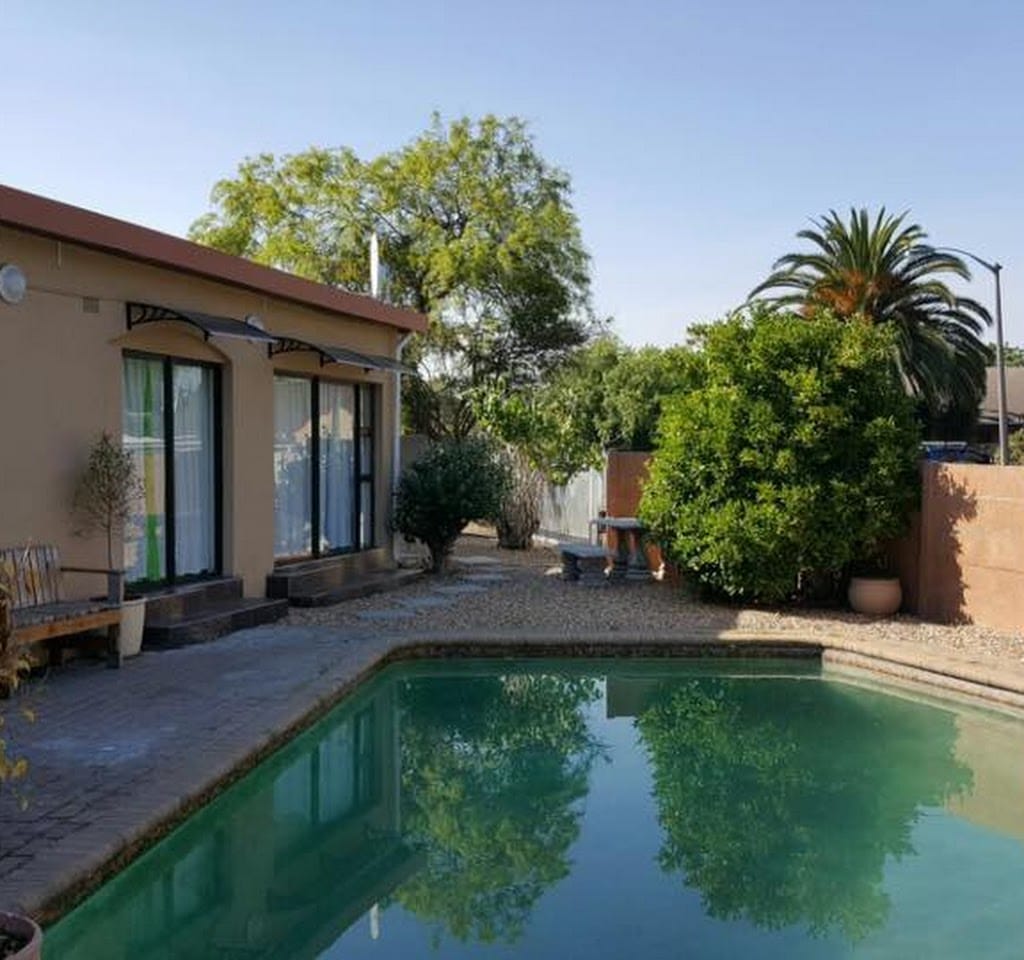
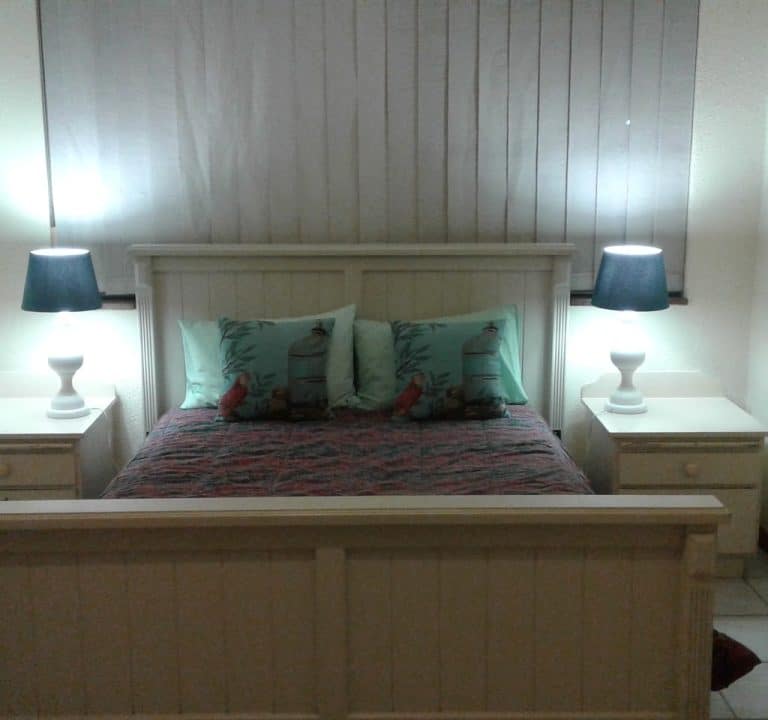
When selecting accommodation, consider the style and atmosphere you want. A small guesthouse such as Almost Home Guesthouse may offer intimate, personalised service and a more homely feel—great for travellers who value warmth and attention to detail. Read guest reviews carefully for notes on staff responsiveness, cleanliness, and the consistency of amenities. Check bed configurations, heating or cooling options, and whether the property has luggage storage or late‑check‑in arrangements if your flight times are unconventional. Clarify what is included in the rate—whether breakfast is offered, what level of daily housekeeping is provided, and if there are any additional charges for parking or services.
Practical planning tips to help your stay go smoothly:
- Map your must‑see sights and group them by area to minimise daily travel time.
- Reserve a base with easy access to reliable transport links, especially if you will rely on buses or rideshares.
- Pack layers for varied weather and give yourself room for outdoor adventures and coastal breezes.
- Book activities in advance during peak seasons, but leave room for spontaneous experiences such as markets or scenic viewpoints.
- Check safety notes for the areas you plan to visit and choose accommodation with secure access and well‑lit surroundings.
Beyond where you stay, Cape Town offers a broad range of experiences. You can plan scenic viewpoints and coastal walks, exploration of historic sites, and a diverse culinary scene that emphasises fresh, regional produce. Markets, cafés, and casual restaurants provide opportunities to sample Cape Malay flavours, seafood from local shores, and modern dining that reflects the city’s multicultural vibrancy. For a balanced itinerary, combine days of outdoor exploration with evenings of relaxed dining and neighbourhood wandering. For more ideas and planning inspiration, you can visit official tourism resources and regional guides through trusted websites.