Accommodation and Experiences in Cape Town, Western Cape
Cape Town offers a diverse mix of places to stay, from intimate guest houses and family-run B&Bs to stylish boutique hotels and design-forward lodges. When planning a visit, consider the distance to the city’s most-loved sights, access to public transport, and the pace you want for your stay. Whether you prefer a cosy coastal retreat, a vineyard backdrop, or a stylish urban base, there are options to suit every itinerary and budget.
Neighbourhoods and what to expect. The City Bowl and the central Foreshore area are convenient for exploring galleries, markets, and the historic districts on foot, with excellent links to the Atlantic Seaboard. The V&A Waterfront area provides harbour views, easy access to ferries and excursions, and a cluster of dining and shopping choices. For beaches and sunset scenery, Atlantic Seaboard suburbs such as Camps Bay and Clifton offer glamorous stretches and restaurant scenes, while Green Point and Sea Point provide a lively mix of walks, parks, and smaller guest houses close to the coastline. Constantia Valley is ideal for wine lovers and quieter surroundings, with several guest houses and country inns near renowned estates. For a more mixed, urban-art scene, neighbourhoods such as Woodstock and Observatory offer characterful stays and easy transit into the city centre.
What to look for when booking. Start with distance to the main sights you’ll visit, but also check access to transport links, such as MyCiTi buses or reliable ride-hailing options. Consider whether you want breakfast included, a self-catering option, or access to common spaces like a garden or sun deck. Look at guest reviews for details on cleanliness, security, and quiet hours, especially if you’re travelling with children or seeking a peaceful base after long days of sightseeing. If you’re visiting for a special occasion, some smaller establishments offer personalised touches—ask about room configuration, late check-in policies, and parking arrangements in advance. For many travellers, a guest house or boutique stay provides a more homely atmosphere than a large hotel, with hosts often happy to share local tips and routes for exploring the city and its surroundings.
Typical amenities to expect. A well-run guest house or boutique hotel in Cape Town commonly features en-suite or private bathroom facilities, comfortable beds with quality linens, daily housekeeping, and Wi-Fi. Many properties offer climate control, dedicated parking, and outdoor spaces such as courtyards or terraces with views. Breakfast is a popular inclusion, frequently featuring fresh fruit, baker’s bread, and hot options. Other appealing touches include well-equipped kitchens or tea and coffee stations, secure access, and proximity to attractions or restaurants. If you’re planning longer stays, look for options with laundry facilities or access to shared laundry services. Some properties may provide guided tours, bicycle hire, or advice on scenic drives and day trips to surrounding areas like wine regions or the Cape Point route.
Transport tips for getting around. Cape Town’s layout is compact enough for easy exploration from many guest houses, but planning is wise. Public transport, when available, is inexpensive but can be limited on weekends and evenings. Uber and other ride-hailing services are widely used and convenient for reaching beaches, viewpoints, and island attractions without the need to park in busy areas. If you’re renting a car, verify on-site parking options and local driving conditions, including mountain roads and parking constraints near popular viewpoints. A well-planned itinerary can reduce transit time, leaving more moments for appreciating the scenery, meals, and local culture.
Best time to visit. Cape Town enjoys a Mediterranean climate with dry summers and wet winters. The warm peak season runs from November to February, when sea temperatures are pleasant and days are long for outdoor activities. Spring (September to November) and autumn (March to May) offer cooler conditions with fewer crowds, which can be ideal for exploring markets, wine-tasting routes, and the city’s green spaces. Winter (June to August) is cooler and quieter, yet many indoor attractions, galleries, and fine-dining experiences remain welcoming year‑round. When planning, consider the typical weather for outdoor activities such as beach outings, hiking, or coastal drives, and pack accordingly for sudden changes in wind or rain near the coast and on the mountains.
Practical planning tips. - Book accommodation with flexible rates when possible, and confirm check-in arrangements if you’ll arrive late. - Check dining options: some guest houses include breakfast, while others may offer recommendations for nearby cafés and eateries. - Bring comfortable walking shoes for exploring the historic streets, markets, and scenic viewpoints. - If you wish to visit popular sights with limited crowds, consider early morning or late-afternoon slots and plan a route that minimizes backtracking. - For a tangible connection to the area, consider staying in or near a local residential district rather than solely in tourist hubs, which often yields better value and a more authentic feel. - If a specific experience appeals, such as a coastal excursion or a wine-touring day, arrange it through your accommodation or trusted operators in advance to secure availability.
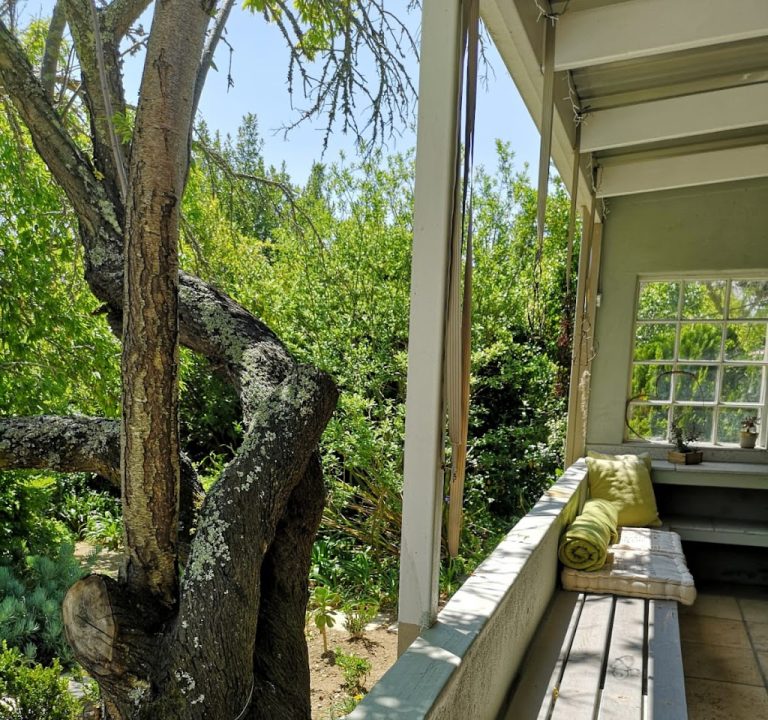
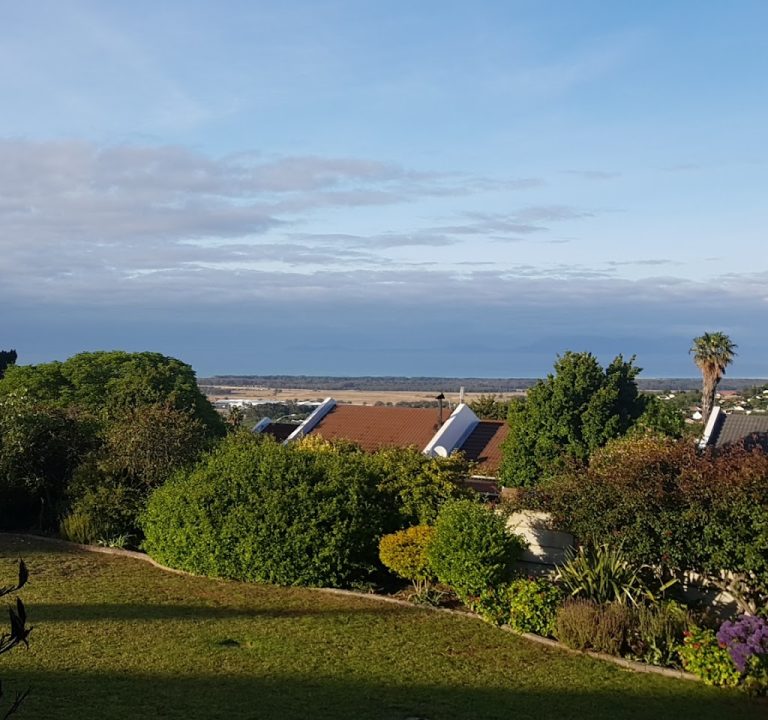
- Almond Cottage Bed and Breakfast is a charming example of a guest house option located near Cape Town’s surrounds. It represents a quieter base that can be well-suited to travellers seeking a relaxed atmosphere and easy access to the broader Western Cape countryside. More information can be found through their booking page.
Beyond where you stay, Cape Town offers a spectrum of experiences, from panoramic viewpoints and beaches to markets, galleries, and a thriving restaurant scene. When planning a stay, balance your accommodation choice with a few standout activities and dining options to create a well-rounded visit. A thoughtfully chosen base in Cape Town can make day trips to the Cape Peninsula, the winelands, and the Cape’s coastal routes feel seamless, enabling you to savour the region’s scenery, cuisine, and hospitality at a comfortable pace.
For more inspiration and current availability, you can explore trusted booking platforms and the official tourism pages, which often feature curated itineraries, seasonal events, and practical travel tips tailored to the Western Cape and the Cape Town area.