Accommodation and Experiences in Pretoria, Gauteng: Planning Your Stay
Pretoria, the administrative capital of South Africa, offers a varied tapestry of accommodation that suits every type of traveller. From charming guest houses and boutique lodges to well‑appointed hotels, the city provides options that blend comfort with easy access to major cultural and natural attractions. When planning a stay, consider the area you want to base yourself in, the style of accommodation you prefer, and the kind of experiences you aim to savour during your visit.
Areas to consider include central districts with a colonial and political heritage, leafy suburbs with a tranquil, residential feel, and the modern business hubs that keep the city buzzing. Arcadia and Pretoria Central put you within reach of museums, government buildings and convenient transport links. Hatfield and Brooklyn offer a youthful vibe with a strong dining scene and easy access to universities. For a more relaxed, upscale atmosphere, areas like Waterkloof and Faerie Glen provide spacious accommodations and proximity to embassies, parks and scenic viewpoints. Centurion offers a wallet‑friendly base with straightforward road and rail connections, a good choice for travellers who plan day trips beyond the city limits.
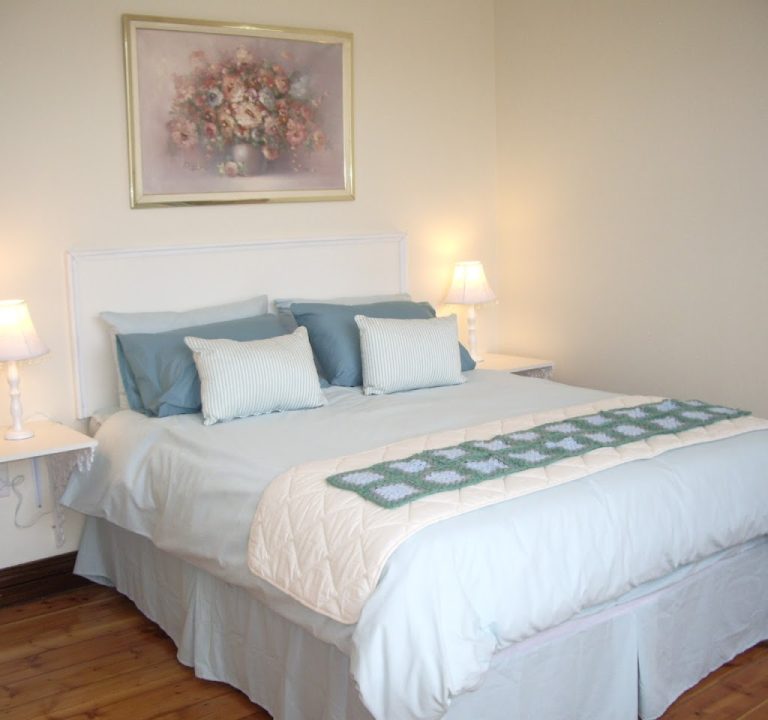
When choosing where to stay, a few practical points can make a big difference. Look for guest houses or boutique hotels with secure parking if you are driving, or easy access to reliable public transport if you plan to explore on foot or by ride‑share. Check for en suite bathrooms, a well‑equipped kitchen or breakfast service, and thoughtful touches such as friendly receptions, local print guides, and clear information on nearby eateries and sights. If you are travelling with family or a group, larger rooms, self‑catering facilities, and quiet corners for reading or work can enhance the experience. A flexible cancellation policy is helpful in case plans shift with weather or events in the city.
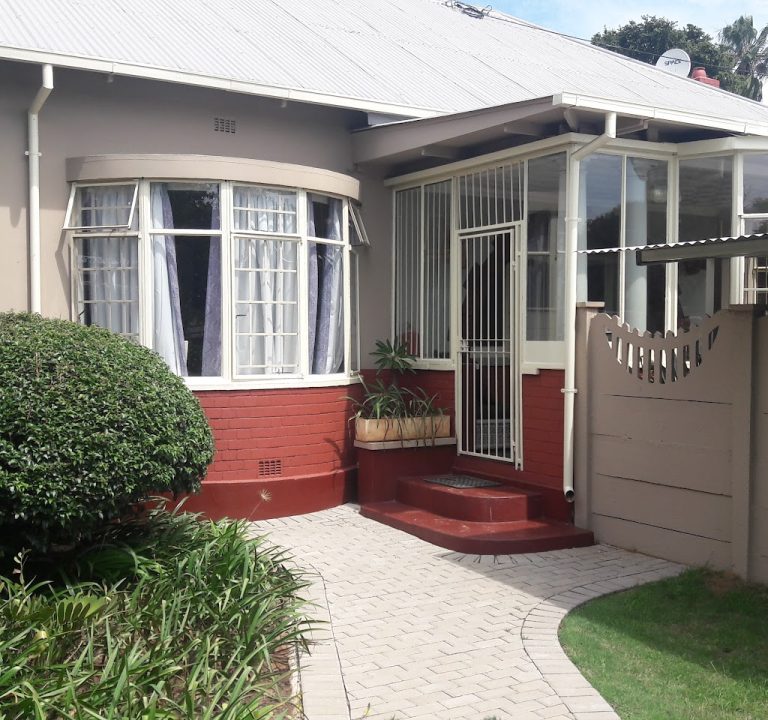
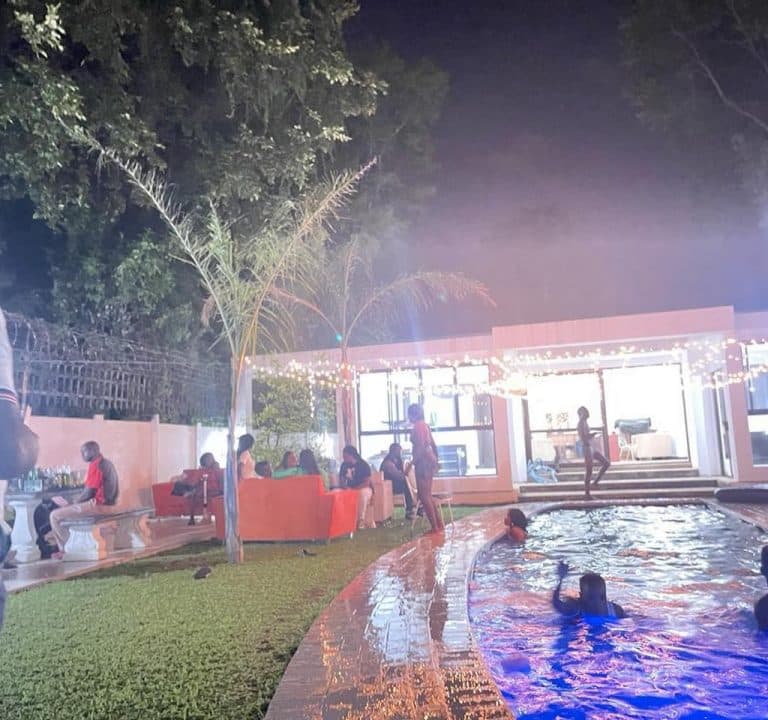
Typical amenities you might encounter include generous breakfast offerings, on‑site parking, Wi‑Fi throughout the property, and comfortable communal areas for socialising or retreat. Some guest houses and lodges may provide facilities such as a plunge pool, a garden, or a shaded patio for al fresco meals. In modern hotels, you can expect in‑room climate control, reliable power supplies, and, in many cases, on‑site dining and fitness options. Always verify the availability of airport or rail transfers if you arrive by air or rail, and ask about late‑checkout possibilities if you have a late departure.
Transport in Pretoria is well served by a network of roads and public transport options. A car gives you freedom to explore beyond the city centre and to reach nature reserves and viewpoints at your own pace. If you prefer public options, the Gautrain link to Johannesburg is a convenient travel backbone for day trips, while local taxis or ride‑hailing services can help with short hops around town. When planning day excursions, pre‑booked tours or recommendations from your host can streamline visits to major sights, markets, and gardens. Carry a map or offline navigation, as some suburban areas are more spacious and less clearly signposted than central districts.
Best time to visit Pretoria typically aligns with its warm summers and mild, dry winters. Spring (August to October) and autumn (March to May) offer pleasant weather for outdoor exploration of parks and viewpoints, while winter can be cool but comfortable for city walks and museum visits. If you enjoy botanical displays or flower shows, consider planning around seasonal programmes at public gardens and protected areas. Summer rain can be brief but intensive, so pack a lightweight rain shell and adapt plans to local forecasts. For cultural evenings, look for performances, markets or community events in central streets or one of the city’s many cultural hubs.
Attractions and experiences in Pretoria range from grand historic sites to modern cultural spaces. You can expect opportunities to visit commemorative monuments, government precincts, and museums that reflect the country’s history and natural heritage. Parks, botanical gardens and scenic viewpoints offer relaxing respites from urban exploration, with walking paths and picnic spots that suit families and solo travellers alike. In terms of dining, Pretoria’s culinary scene spans traditional South African fare to contemporary fusion and international cuisines. Expect diverse options in trading precincts, university districts, and urban villages, with many venues highlighting seasonal ingredients and locally produced produce.
To make the most of your stay, here is a concise planning checklist you can adapt to your itinerary:
- Identify two to three preferred neighbourhoods as base camps to minimise daily travel.
- Confirm breakfast or kitchen facilities if you want self‑catering options.
- Check transport arrangements, including parking needs or proximity to rail links.
- Balance indoor activities (museums, galleries) with outdoor time in parks and viewpoints.
- Budget for meals out, with room in the plan for both casual eateries and special‑occasion restaurants.
For a sample stay, consider a well‑located guest house or boutique hotel that blends comfortable rooms with attentive service and a convenient breakfast option. Look for properties that provide local insight—maps, walking routes, and recommendations for hidden gems beyond the usual tourist trails. With a thoughtful choice of area, clear travel plans, and a balance of city and outdoor experiences, a visit to Pretoria can be both relaxing and enriching, with its mix of heritage, modern living, and warm hospitality. Believed to be a gateway to Gauteng’s broader attractions, Pretoria invites you to explore its neighbourhoods, savour its flavours, and set the pace of your stay according to what you most enjoy.