A practical guide to accommodation, attractions and dining in Polokwane, Limpopo
Polokwane, the capital of Limpopo, is a convenient gateway to the northern lowveld and a calm base from which to explore the region. When planning a stay, consider the different neighbourhoods and what you want from your trip: a city feel with modern amenities, easy access to nature reserves, or a quieter retreat on the edge of town. Central areas provide straightforward access to shops, cafés and business services, while residential neighbourhoods offer more tranquil, family-friendly stays. For groups, venues with flexible spaces and on-site facilities can simplify logistics.
When booking accommodation, look for a few practical essentials. Start with location – central Polokwane is convenient for airport transfers and day trips, but outskirts such as quieter residential zones can provide more space, privacy and sometimes better value. Check parking options if you’re driving, and ask about late check-in if you anticipate arriving after hours. Consider the size of your group and whether the property can accommodate everyone comfortably, particularly if you’re booking a family or multi-bedroom unit. For longer stays, verify the presence of a kitchenette or self-catering facilities, plus reliable laundry options and convenient access to supermarkets.
Typical amenities to expect include free or affordable Wi-Fi, housekeeping frequencies, secure on-site parking, air conditioning to cope with the warm climate, and reliable water supply. Some properties offer communal lounges, swimming pools or garden spaces, which can be appealing for families or groups. If you’re travelling for work or conferences, check for workspaces or business services, and confirm whether breakfasts or other meals are available on-site or nearby. For groups, enquire about flexible layouts, the potential for on-site dining, and whether there are meeting or conference rooms.
Transport in Polokwane is straightforward for guests with a car, but options exist for those relying on local taxis or shuttle services. The town is well connected by road, and recent years have improved access to surrounding wildlife and nature reserves. If you plan day trips, map out a route that minimises backtracking and aligns with opening hours of attractions. When you’re without a car, check whether your accommodation can assist with airport transfers or arrange trusted transfer partners. It’s also sensible to consider proximity to the airport when selecting a base if travel time between arrivals and activities is a priority.
The best time to visit Polokwane generally aligns with the South African winter and spring months (roughly May to September). Conditions tend to be cooler and drier, which is pleasant for outdoor activities and city sightseeing. In the wetter summer months, landscapes are lush, and wildlife experiences can be richer, but you may encounter humid conditions and heavier afternoon showers. If wildlife and nature are high on your list, plan a few early morning outings; many local parks and reserves offer calmer, more comfortable conditions early in the day.
Visitors to Polokwane can enjoy a range of attractions and experiences without leaving the city. Urban sights include a central market culture, museums, and parks where families and friends can enjoy a relaxed stroll. Outside the city, nature reserves and game viewing opportunities await, offering a chance to observe local flora and fauna in a tranquil setting. In terms of dining, the area has a variety of casual and family-friendly eateries. Expect menus rooted in South African flavours with options for meat dishes, fresh produce, and lighter fare. Rather than focusing on individual restaurant names or prices, look for venues that offer local dishes, fresh ingredients, and good guest feedback. Many places are comfortable for groups, with outdoor seating and spaces suitable for larger parties.
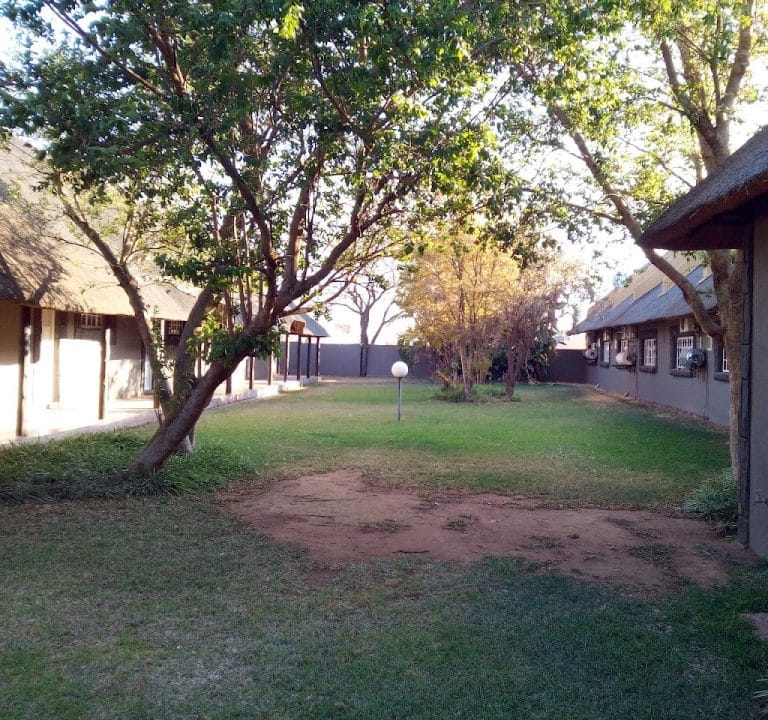
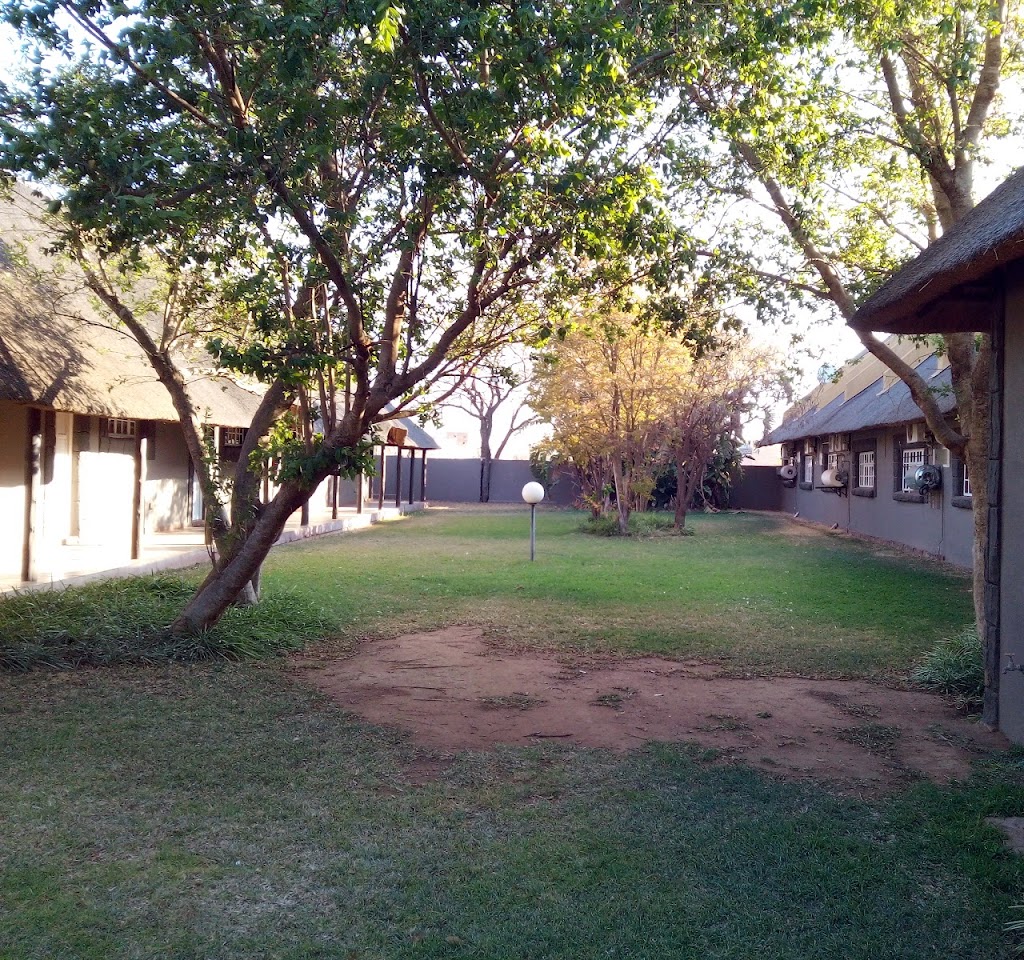
If you’re staying in a group accommodation, such as Airport Africa Lodge or similar properties, consider how the space can be shared efficiently. Look for common areas where guests can mingle, as well as private rooms or suites that offer privacy when needed. For families and groups, a venue with in-house catering or a well-equipped kitchen can save time and simplify logistics. Ask about on-site facilities for gatherings, such as lounges, dining rooms, or outdoor patios, and whether they can accommodate early breakfasts or late dinners in line with travel itineraries.
Practical planning tips
- Book well in advance for peak seasons or long weekends to secure your preferred area and room type.
- Confirm accessibility needs and whether the property provides disabled-friendly features if required.
- Check cancellation policies and any penalties for changes, particularly for group bookings.
- Read recent guest reviews to gauge consistency in cleanliness, service and response times.
- Prepare a rough itinerary that balances city sights with nature experiences, leaving room for spontaneous discoveries.
In summary, Polokwane offers a mix of comfortable city-based stays and gateway-style lodging suitable for groups, families and solo travellers. By weighing location, amenities, transport options, and seasonal considerations, you can craft a stay that complements your plans—whether you’re here to explore urban culture, embark on nature trips, or simply enjoy a relaxed base in Limpopo. For specific accommodation options and current availability, consult the guest reviews and the official pages of the properties you’re interested in, and consider a stay that can adapt to your evolving travel needs.