Staying in Franschhoek: accommodation, planning and experiences in the Western Cape
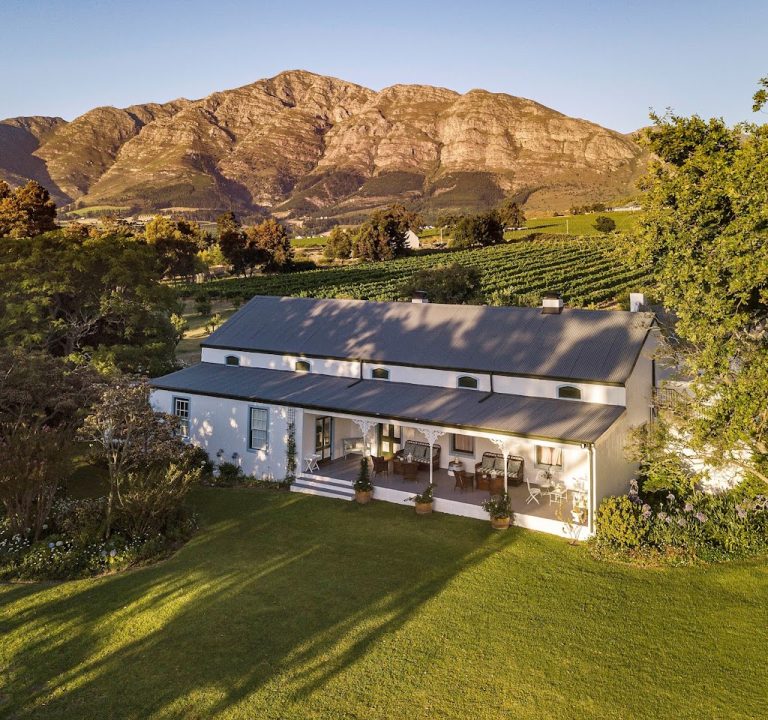
Franschhoek is a charming cornerstone of the Western Cape, famed for its scenic valley, exceptional food and a long-standing winelands tradition. The town’s accommodation options range from intimate guesthouses and boutique hotels to self‑catering cottages set along vine-draped lanes. Whether you seek a cosy retreat with hearth and farm‑style breakfasts or a more contemporary stay with stylish interiors, Franschhoek offers a bed for every traveller’s style and budget.
When planning a stay, consider the layout of Franschhoek itself. The town centre is compact, making walking between eateries, galleries and whisky bars easy, but many of the best wine estates lie just beyond the main street in surrounding valleys. If you value driving short distances, look for a base near the village core for easy access to restaurants and shops, with a quieter rural retreat within a short drive for days spent among vineyards and mountain views.
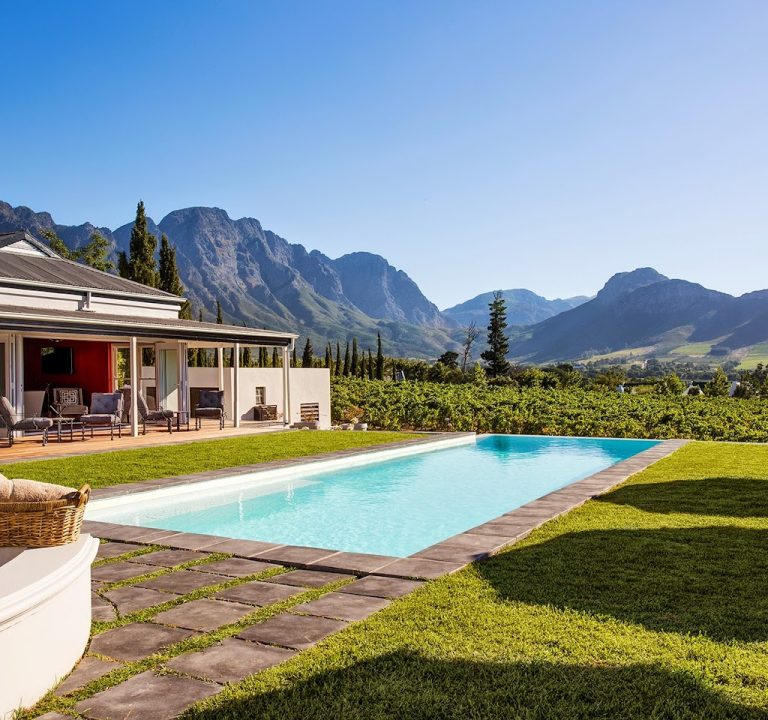
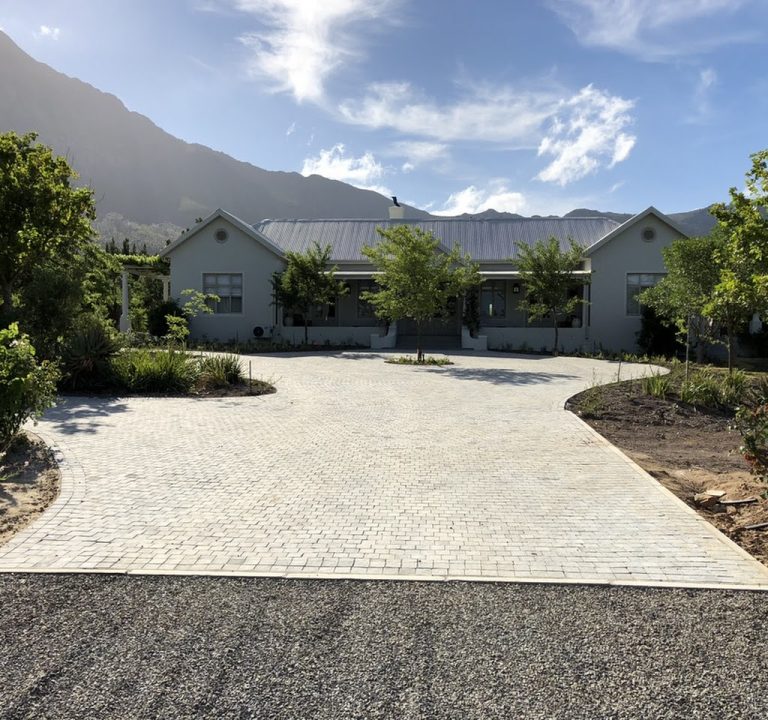
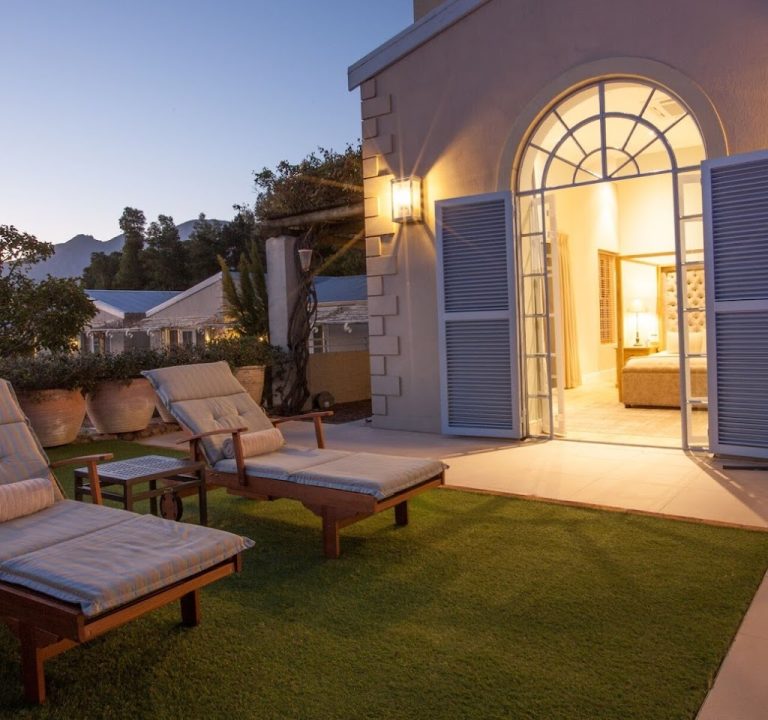
Typical amenities in Franschhoek accommodation emphasise comfort and convenience. Expect spacious rooms with private bathrooms, good breakfasts that showcase local produce, and thoughtful touches such as outdoor spaces for al fresco dining or sunset views. Boutique properties often offer pool areas, cosy lounges, and guided or self-guided experiences. For travellers who prefer a touch of privacy, self‑catering cottages or apartment suites within a guesthouse or vineyard setting are common and well located for day trips to nearby estates or the surrounding countryside.
Transport in Franschhoek is straightforward but planning helps. The town is served by a local road network that makes self‑drive itineraries practical, and many visitors arrange private transfers or hire a car from the airport route via nearby towns. For visitors without a vehicle, some guesthouses offer shuttle options or can arrange drivers for winery visits. If you intend to visit many wine estates, consider a flexible plan that balances mornings in the village with afternoons exploring the wine routes so you can enjoy the scenery without rushing between venues.
The best time to visit Franschhoek hinges on what you want from the experience. Spring and autumn offer mild temperatures, flowering scenery and a more relaxed pace, ideal for tasting and village strolls. Summer months bring warmth and longer days, making it pleasant to combine outdoor dining with vineyard visits. Winter tends to be quieter, with cooler evenings and the chance to pair cosy evenings indoors with museum or gallery trips during the day. Whichever season you choose, booking ahead for peak periods is wise, as Franschhoek’s appeal remains strong year‑round.
In addition to places to stay, the town provides a scenic array of attractions and experiences that complement a stay. Take gentle walks along the valley floor, explore small art galleries and craft studios, and enjoy the spectacular backdrop of mountains and orchards. Food lovers will discover a renowned dining scene that emphasises seasonal produce and meticulous preparation, with plenty of opportunity for tasting menus and vineyard lunches. The surrounding wine estates offer cellar tours, wine tastings, and opportunities to learn about the region’s storied winemaking traditions. For a broader sense of the area, consider light hikes, farmers’ markets, and bicycle routes that reveal a deeper sense of rural Franschhoek and its hospitality ethos.
When selecting accommodation, there are a few practical considerations that help ensure a smooth stay. Check the size and layout of the room or suite, especially if frequent preparation for meals or rest after winery visits is important. Look for en‑suite bathrooms with proper warmth and good daily housekeeping, reliable Wi‑Fi, and easy access to parking or on‑site spaces. If you prefer a social atmosphere, a property with shared lounges, outdoor terraces, or a small on‑site cafe can be appealing. If you need flexibility, ask about cancellation policies and whether the property can tailor experiences such as picnics in the wine valley or private tastings with local guides.
To help you plan a balanced itinerary, here are practical tips in brief:
- Base yourself near the village centre for easy access to dining, galleries and shops.
- Reserve winery visits in advance during peak seasons and weekends.
- Consider a mix of stay types, such as a boutique hotel for evenings out and a self‑catering option for mornings in with a leisurely breakfast.
- Pack layers for changing temperatures, especially if you plan early winery visits or sunset hill walks.
- Check transport arrangements, especially if you plan to tour several wine estates in a day.
For more inspiration and practical ideas, the Franschhoek tourism information and regional guides can help you tailor an itinerary to your interests, whether your focus is fine dining, hiking, art, or the wine route. A well‑planned stay can combine the comfort of a welcoming room with the pleasures of a landscape that has shaped a rich culinary and vinous culture for generations. Begin with a comfortable base, map out a few must‑visit experiences, and allow time to wander and enjoy the scenery that makes Franschhoek a unique hub in the Western Cape.