Staying in Addo: where to stay, what to do, and how to plan your visit
Addo, on the Eastern Cape of South Africa, offers a gateway to wildlife experiences, tranquil landscapes and easy access to the renowned Addo Elephant National Park. Whether you prefer a stylish lodge, a country estate, or a cosy guesthouse, the area around Addo village and nearby coastal towns provides a range of accommodation that suits different budgets and travel styles. Planning a stay in Addo is about balancing wildlife experiences with local village charm, dining options and practical transport arrangements.
Accommodation in Addo often centres on a few distinct areas. The Addo village itself provides convenient access to the park entrances, shops and eateries, making it ideal for guests who value walkable amenities and a quieter base. For a more indulgent or secluded retreat, household-name guesthouses and boutique hotels sit on country estates or on the outskirts of town, offering expansive grounds, private verandahs and personalised service. If you are after a full safari vibe, consider lodges connected to the park gates, where guided drives, early-morning game viewing and on-site wildlife experiences are commonly part of the package.
When choosing a place to stay, look for several practical features. First, check access to wildlife drives or curated activities, which can be a highlight of a visit to Addo. Second, consider the size and layout of the property: larger estates may provide multiple dining options, swimming pools and outdoor spaces, while smaller guesthouses often prioritise intimate hospitality and personalised itineraries. Third, inquire about transfer options from neighbouring towns or the coast, as car hire is common but not always necessary if a property offers airport or rail connections and local shuttle services. Finally, read about the accommodation’s sustainability practices and whether they align with your values, such as water saving measures, waste management, and responsible wildlife interactions.
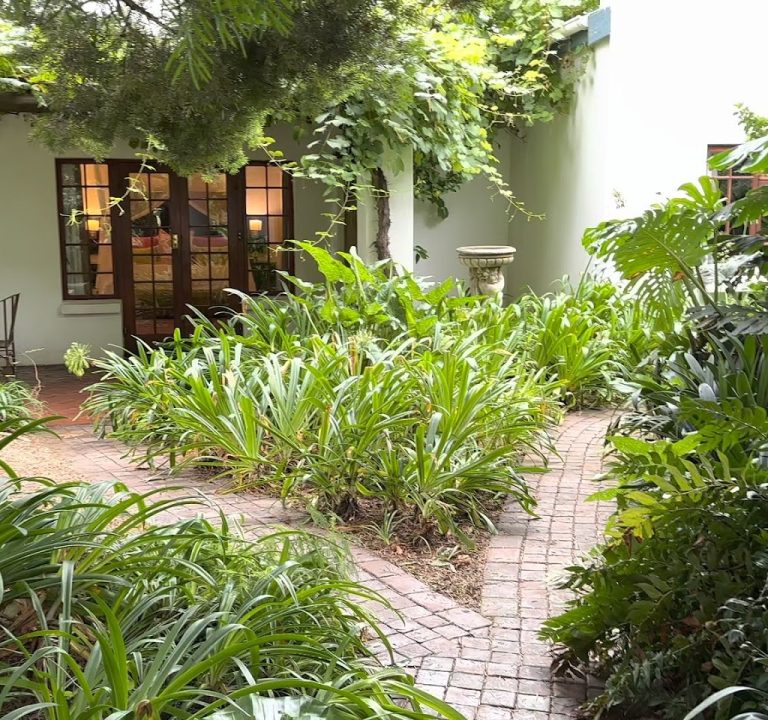
Typical amenities in Addo accommodations range from comfortable en-suite rooms with garden or parkland views to private cottages and suites with outdoor seating. Expect essentials such as air conditioning or ceiling fans, wifi, and generous storage. Dining experiences vary: some properties feature in-house restaurants offering traditional South African favourites, while others arrange private dining in lantern-lit courtyards or on game-viewing decks. Many lodges provide breakfast included in the rate, with options to arrange evening meals featuring seasonal, locally sourced ingredients. Families should look for family-friendly layouts, child-safe spaces and flexible meal options. Couples often appreciate quiet terraces, spa services or sunset safaris arranged by the host or lodge management.
Transport planning is straightforward but worth considering in advance. If you fly into Port Elizabeth or the nearby coast, a road transfer or hire car is standard for reaching Addo, which sits inland from the coast. A car provides the most freedom to explore the surrounding towns, nature reserves and viewpoints at your own pace. If you prefer not to drive, many properties can arrange a pickup from the closest airport or rail link and organise guided safaris or day trips, sometimes incorporating visits to surrounding attractions such as coastal reserves or vineyards nearby. Pack comfortable walking shoes for nature trails and a light jacket for cooler evenings, especially during autumn and winter months when coastal winds can be brisk.
The best time to visit Addo depends on what you want from your stay. For wildlife viewing, the dry season (roughly late autumn through winter) often offers better sightings as animals gather around remaining water sources. Spring can bring milder temperatures and lush landscapes, while summer brings warmer days and occasional rainfall. If you are planning self-drive game drives, early mornings and late afternoons are ideal for animal activity. Remember that weather in the region can change quickly, so layering and adaptable plans help you make the most of your time outdoors.
When it comes to exploring, you will find a range of activities beyond the park. Guided nature walks and birdwatching on property grounds can be a peaceful alternative to game drives. In town, you can expect relaxed dining atmospheres with menus featuring regional produce, local wines, and seafood options, alongside bakeries and cafés that make good bases for a day of exploration. For a day trip, consider scenic coastal routes or nearby nature reserves that offer shorter treks, viewpoints and picnic spots. Wildlife photography, stargazing on clear nights, and visits to local markets can add depth to your itinerary without needing excessive travel time.
- Plan accommodation with easy park access and on-site activities
- Check whether breakfast, meals, and guided safaris are included
- Assess transport needs: car hire, transfers, or guided excursions
- Pack for varied weather and outdoor activities
- Balance wildlife time with downtime at the property and in town
As you consider where to stay, you may wish to explore options offered by recognised properties in the area. For instance, the Africanos Country Estate presents itself as a stylish hotel option within the region, with a dedicated website that offers more information on its facilities and services: Africanos Country Estate. This can serve as a starting point for comparing different estates and lodges, each with their own character and guest experience. In general, Addo rewards a mix of comfortable lodges, country estates and traditional guesthouses, all designed to help visitors slow down and enjoy the Eastern Cape’s wildlife, landscapes and friendly hospitality.