Accommodation and Planning for a Visitor Stay in Amanda, Limpopo
Amanda in Limpopo offers a gateway to the wider Waterberg region and the varied landscapes of northern South Africa. When planning a stay here, travellers usually balance the appeal of intimate lodges with the convenience of guesthouses and self‑catering options. The area lends itself to slow travel, with easy access to wildlife reserves, scenic routes and a handful of dining spots that showcase local flavours. A well‑considered itinerary can help you relax into the pace of this rural corner while still ticking off key experiences.
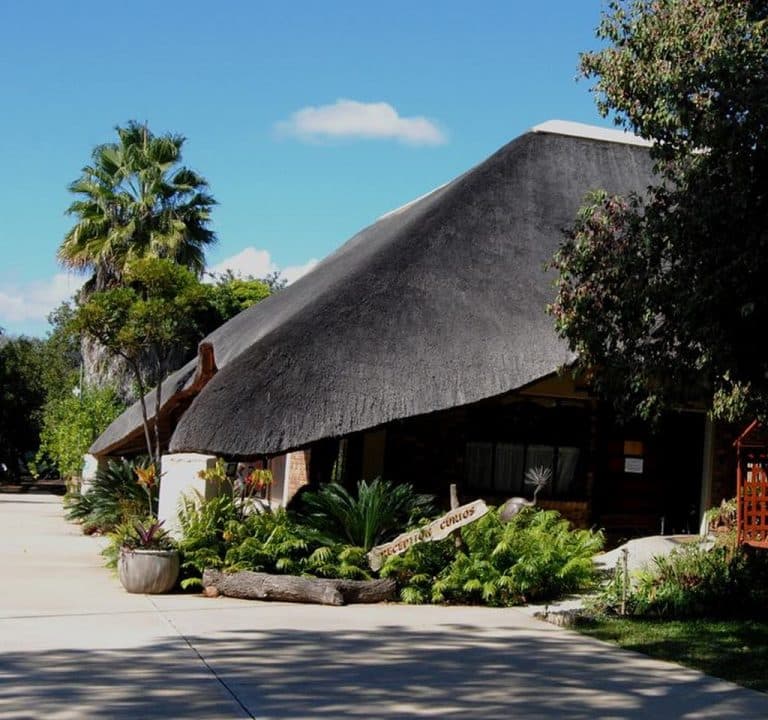
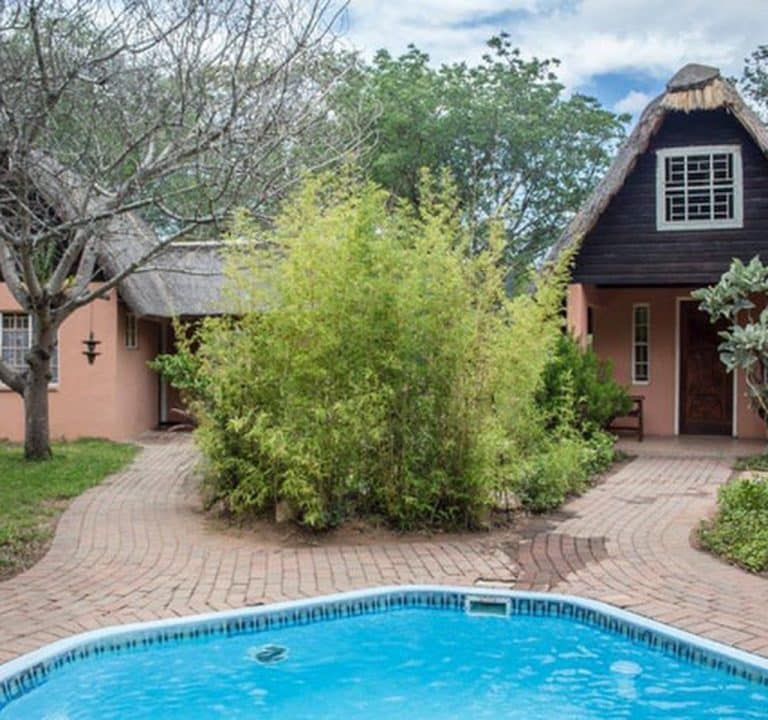
Where to base yourself is the first decision. In Amanda, you’ll typically find a mix of boutique lodges, mid‑range guesthouses and rural retreats set against open savannah, bushveld and neighbouring reserves. For a quieter stay, consider a lodge on a private property or a guesthouse on a smallholding. If you prefer proximity to shops and basic services, look for a base nearer to larger towns or along established routes that connect to the region’s parks and viewpoints.
Facilities and typical amenities vary by property, but common offerings include en‑suite rooms, inclusive breakfast, private patios or verandas, and secure parking. Some lodges provide guided nature drives, bush walks with knowledgeable hosts, and sundowner decks with sunset views. Self‑catering units, whether chalets or cottages, offer flexibility for families or longer stays. When booking, look for clear information on accessibility, parking arrangements, housekeeping frequency, and what meals are included or available on request.
Transport is a practical consideration. The region is best explored by car, giving you the freedom to follow scenic byways, detour to viewpoints, and reach wildlife areas at dawn or dusk. If you’re arriving from Johannesburg or Pretoria, allow time for the transfer to the Limpopo countryside and plan for road conditions, especially after rain. Some properties offer airport transfers or can arrange private guides; confirm these services and any additional costs in advance. For guests without a vehicle, check whether your chosen accommodation provides local shuttle options or is located along a route with reliable taxi services.
Best time to visit Amanda depends on your priorities. The dry winter months (May to August) bring cooler days and easier wildlife spotting with reduced vegetation. This period can be ideal for game viewing on guided drives or bush walks. The shoulder seasons (April–May and August–September) offer comfortable temperatures and fewer crowds. Rainy periods, typically in the summer months, bring lush scenery and teeming birdlife, though day trips may be interrupted by showers. If you’re keen on birdwatching or wildflowers, you’ll find the seasons offer different highlights, so it helps to check seasonal activity windows with your hosts or local operators.
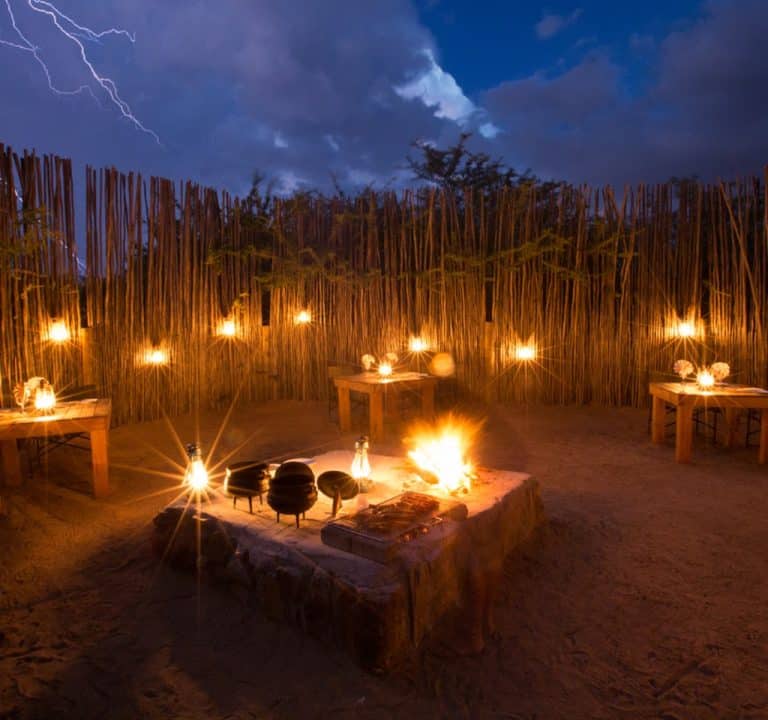
When planning a stay, consider the surrounding area’s attractions and activities. In Amanda and nearby reserves, you can usually arrange guided wildlife drives, nature walks, and photography safaris with knowledgeable guides who tailor itineraries to your interests. For a broader rural experience, look for opportunities to learn about local conservation efforts, Indigenous heritage, and traditional crafts. Dining can range from lodge‑level dining rooms to informal braais (barbecues) on verandas, with menus designed to showcase regional ingredients. If you enjoy a culinary focus during travel, ask hosts about nearby eateries that emphasise seasonal produce and local flavours without needing a long drive every evening.
Booking wisely can enhance your stay significantly. When selecting accommodation, consider these practical tips:
- Location relative to planned day trips: pick a base close to your primary sights to maximise time on activities rather than driving.
- Room configuration: ensure bedding arrangements suit your party size and any accessibility needs.
- Included meals and kitchen facilities: know what breakfast is offered and whether dinner is available or should be sourced elsewhere.
- Wildlife and safety features: ask about outdoor lighting, securing animals on the property, and any safety guidelines for activities like bush walks.
- Cancellation policies and climate considerations: understand how weather or seasonal changes might affect plans and what flexibility you have.
For those who prefer a dedicated lodge experience and a strong sense of place, look into properties that integrate seamlessly with the landscape and offer meaningful conservation or community engagement. A lodge such as African Sky Bush Camp, for instance, provides a model of how a guest experience can align with the surrounding environment while offering thoughtful hospitality. You can learn more about the ethos and offerings at the official website: https://africansky.co.za/
Practical tips to maximise enjoyment include packing layered clothing for variable temperatures, comfortable footwear for nature trails, a sturdy camera or binoculars for wildlife viewing, and a compact, secure bag for day trips to reserves. Carry a reusable water bottle and snacks for excursions, as some activities may involve early starts. Finally, respect local customs and natural spaces—keep noise to a minimum during sensitive times, stick to marked paths, and dispose of litter responsibly. With careful planning and a flexible mindset, a stay in Amanda can deliver both restful downtime and memorable encounters with Limpopo’s natural beauty.