Bloemfontein: Accommodation, attractions and practical tips for visitors
Bloemfontein, the capital of the Free State, blends cultural heritage with modern conveniences, making it an appealing base for travellers exploring central South Africa. Whether you prefer a boutique guesthouse, a comfortable hotel, or a restful lodge, the city offers a range of options designed to suit different budgets and styles. For visitors planning a stay, focusing on location, amenities and transport can help you make the most of your time.
When choosing where to base yourself, consider the areas you’ll be most likely to explore. The central and southern parts of Bloemfontein are convenient for accessing major museums and galleries, government buildings, and the city’s historic streets. If you’re seeking a quieter ambience with easy access to parks and leafy streets, a stay on the northern or eastern fringes can be a good choice. Many visitor-friendly properties in Bloemfontein emphasise easy parking, reliable Wi‑Fi, and comfortable public spaces, which are especially important if you’re combining work with travel or travelling with family.
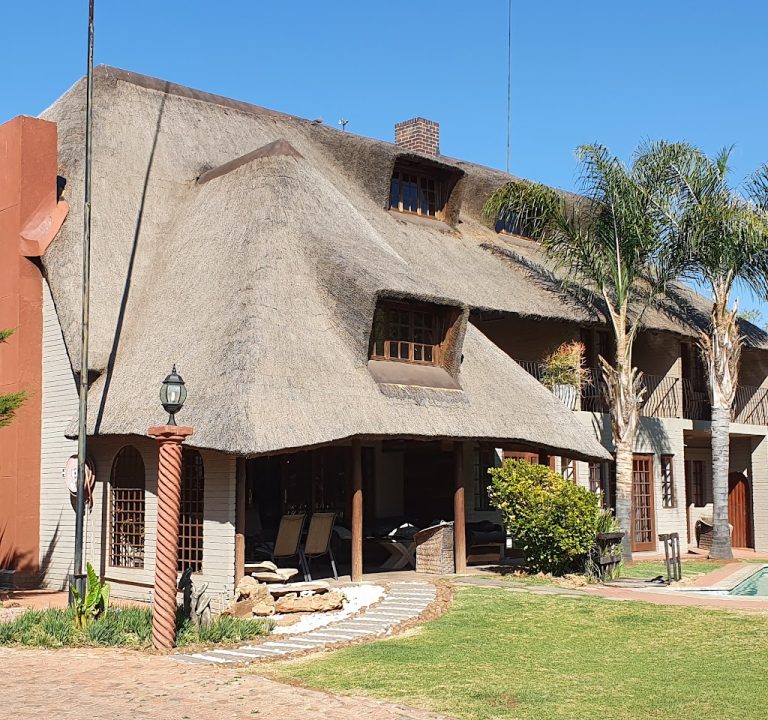
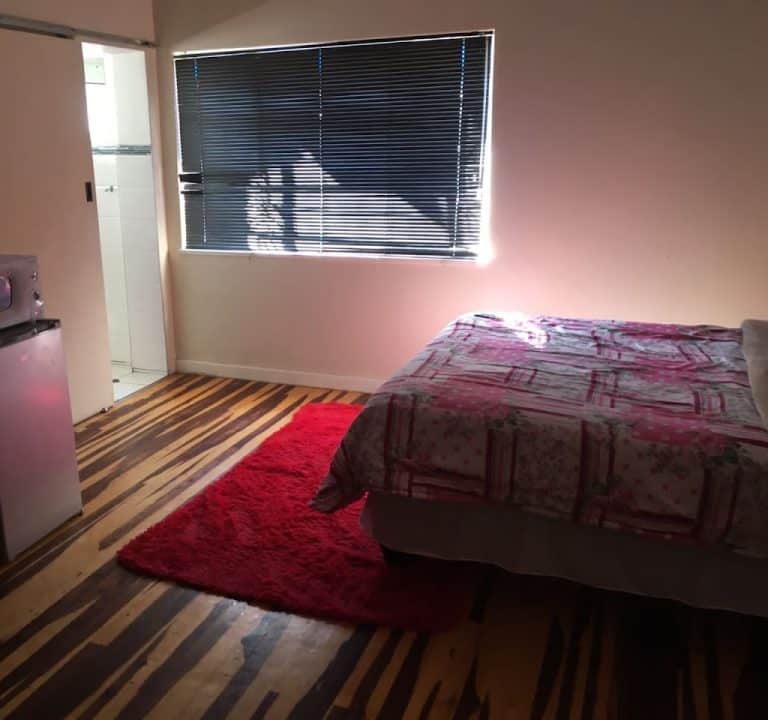
Accommodations in Bloemfontein span from intimate guesthouses and spa-like lodges to mid-range hotels and larger establishments with conference facilities. An option such as African Footprint Guesthouse illustrates the kind of character-filled stay you can find: warm hospitality, well-appointed rooms and convenient access to central sights. When booking, look for descriptions that cover room size, bed configuration, privacy, and whether breakfast or full board is offered. If you require space for families or groups, check for family rooms, interconnecting doors, or lounges where guests can gather.
Typical amenities across Bloemfontein properties often include excellent housekeeping, secure parking, and easy access to transport links. Common room features may involve air conditioning or heating, comfortable bedding, in-room safes, tea and coffee facilities, and complimentary bottled water. In terms of on-site facilities, many venues offer Wi‑Fi, guest lounges, dining options on site or nearby, fitness spaces, and sometimes outdoor spaces such as gardens or courtyards. If you need business facilities, verify the availability of a quiet workspace, meeting rooms, or a small conference area.
Transport in Bloemfontein is well suited to travellers who plan to drive or hire a car. The city is designed for straightforward road travel, with signposted routes to key sites. If you prefer not to drive, several hotels and guesthouses provide easy access to local taxi services or rideshare options. For those who are arriving by air, Bloemfontein’s regional connections can be convenient, with most visitors making use of surface transport to reach their accommodation. When planning day trips to nearby attractions, consider how far you want to be from central Bloemfontein versus tranquil suburbs, and whether you’ll rely on car rental or organised tours.
The best time to visit Bloemfontein tends to align with the South African climate. Summers (roughly November to February) can be warm and busy, with occasional afternoon showers. Autumn (March to May) often brings pleasant, mild days and cooler evenings. Winter (June to August) is typically dry and brisk, great for exploring museums and outdoor spaces with fewer crowds. Spring (September to October) offers blooming gardens and comfortable temperatures. If you’re sensitive to heat or prefer quieter periods, consider mid-autumn or late spring for a relaxed visit.
Planning tips to help you get the most from your stay:
- Define your priorities: culture, nature, shopping, or dining. Bloemfontein’s museums and art collections pair well with green spaces and heritage architecture.
- Book in advance for peak periods and key events, but consider flexible rates in case your plans shift.
- Read guest reviews to understand room layouts, noise levels, and neighbourhood character.
- Check whether breakfast, parking, and Wi‑Fi are included, and confirm city-centre access if you plan long days of sightseeing.
- If you’re visiting for work or conferences, verify business facilities and quiet workspaces.
- Budget carefully for meals outside your accommodation, and identify a few trusted dining options in advance.
Food and drink in Bloemfontein range from casual eateries to more refined dining rooms. In general, you’ll encounter well-prepared South African favourites, regional dishes, and contemporary cuisine, often with a modern twist. Many guests choose to dine at or near their accommodation to maximise comfort after a day of sightseeing, while others venture into town to explore a broader mix of venues. Distinctive local experiences—such as farmers’ markets and street-food-inspired options—provide a flavour of everyday life in the Free State without requiring extensive travel.
For a well-rounded stay, plan a couple of day trips that showcase Bloemfontein’s heritage and landscape. You could spend time visiting major museums and galleries, enjoy a restorative walk in parks or botanical spaces, and then sample a few dining experiences that capture the region’s hospitality. If you’re curious about the overall visitor experience, you can find more information online through city and tourism portals, which offer practical details on transportation, current events, and recommended itineraries.
In summary, Bloemfontein is a practical and welcoming base for travellers seeking a blend of culture, comfort, and accessibility. By choosing the right area, confirming essential amenities, and planning a balanced schedule of attractions and meals, you can enjoy a memorable stay that feels both relaxed and well connected. For inspiration on accommodation, including boutique guesthouses like African Footprint Guesthouse, explore credible hotel and guesthouse listings and official tourism resources to tailor your visit to your preferences. More information about Bloemfontein’s hospitality and visitor services can be found at local tourism pages and city websites, where you can also source practical travel tips and point-to-point guidance on itineraries and day trips.