Knysna: accommodation, attractions and practical tips for a memorable stay
Knysna sits on the edge of the Garden Route in the Western Cape, fringed by forest, ocean and a harbour that adds colour to every visitor’s trip. When planning a stay, consider the different neighbourhoods and what they offer: the town centre provides easy access to shops and eateries, the waterfront offers a scenic hub with viewpoints and harbour life, and outlying areas such as coastal cliffs and forest pockets promise a slower pace and more private surroundings. For those seeking a relaxed, home-from-home feel, guest houses and boutique lodges can be found tucked into leafier streets or perched with views over the lagoon and Knysna Heads.
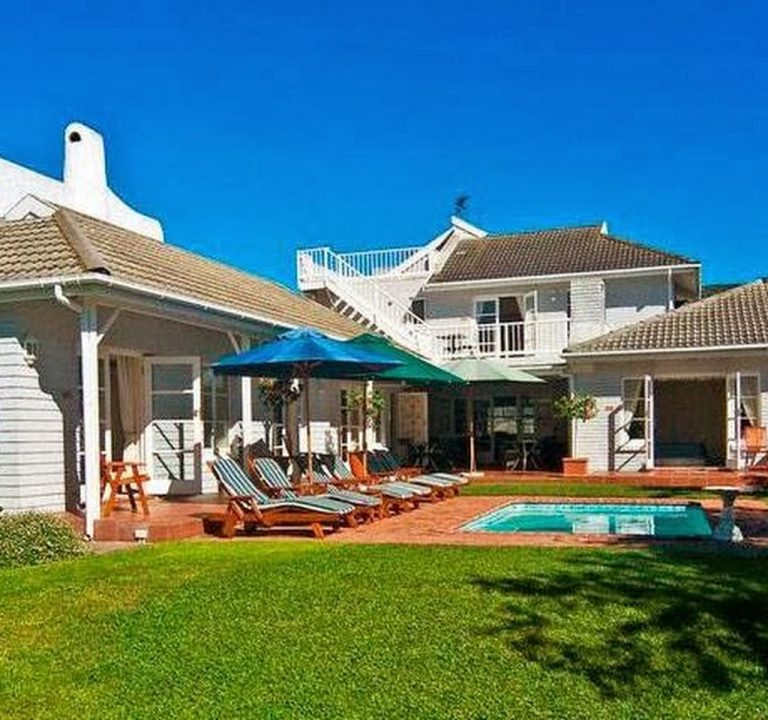
Where to stay often comes down to access and atmosphere. Knysna Town is convenient for travellers who want to stroll to cafés, markets and the harbour front, while Thesen Island and the Waterfront area are popular for modern accommodation with water views and easy river access. If you prefer a more secluded retreat, consider lodges or guest houses on the outskirts, where gardens and private decks create a sense of space and tranquillity. Self-catering cottages and boutique bungalows are also common, ideal for families or groups seeking flexibility and privacy while still enjoying local hospitality.
Typical features to look for when booking include en-suite bedrooms, a generous breakfast option, secure parking, and reliable Wi-Fi. Many guest houses in Knysna aim to balance a personalised touch with practical comforts: quiet rooms with blackout curtains for restful nights, outdoor seating with vistas of the lagoon or forest, and well-equipped communal areas for socialising or planning day trips. Accessibility varies, so if steps or limited mobility are a consideration, filter listings for ground-floor rooms or properties with lifts. Pet-friendly options exist, though these may be limited and require advance notice.
Transport around Knysna is straightforward, though most visitors find a car to be the most convenient way to explore the surrounding areas and nearby attractions. The N2 highway links Knysna to neighbouring towns and Cape Town, while local taxi services and rideshares offer alternatives for evenings out. If you plan day trips, a vehicle gives you freedom to stop at viewpoints, forests and beaches along the coast at your own pace. For those not keen on driving, some guest houses organise guided excursions or offer information on reputable tour operators for activities such as forest walks, boat trips on the lagoon, and visits to local reserves.
The best time to visit Knysna depends on preferences. Summer (roughly November to February) brings longer days and calmer seas, excellent for boat trips and water activities. Autumn and spring shoulder seasons offer milder weather and quieter streets, with lush greenery and birdlife at their most active. Winter is mild by European standards, with cooler mornings and the opportunity to enjoy cosy evenings in thoughtful, well-appointed guest houses. Whichever season you choose, plan some flexibility for weather variations and seasonal events that may affect crowds and opening times at attractions or markets.
When organising activities, consider a mix of nature encounters, scenic drives and culinary experiences. Knysna is known for its dramatic coastline, forested hinterland, and a vibrant waterfront where local markets, galleries and cafés create a welcoming ambience. Popular experiences include boat trips on the lagoon, forest walks or gentle hikes with ocean views, and visits to nearby reserves or viewpoints. Dining tends toward fresh seafood, regional produce and rustic, home-style fare; many eateries emphasise a relaxed, coastal vibe with seasonal menus and friendly service. For a richer sense of place, combine a mornings’ exploration with afternoons by the water or in a secluded garden setting.
Choosing accommodation should also take practical considerations into account. If you are travelling with children, look for family rooms, playground spaces, or larger suites with separate living areas. For couples or friends seeking a quieter escape, smaller guest houses with private terraces and personalised hosts can enhance your experience. For business travellers or remote workers, a property with a reliable Wi-Fi connection and a comfortable workspace may be important. Consider proximity to your intended activities; a short walk to the waterfront can reduce transport needs on busy days, while a rural or forest-edge setting offers tranquillity but may require a car for day trips.
Practical tips for a smooth stay in Knysna:
- Research cancellation policies and meal arrangements in advance to avoid surprises during peak seasons.
- Ask hosts about local tips—hidden viewpoints, quiet beaches, and recommended routes can transform your itinerary.
- Check access details for transport to and from the property, especially if you plan day trips or early departures.
- Pack adaptable clothing for variable coastal weather and light layers for cool evenings.
- Plan a couple of unstructured days to wander the town, discover artisan shops and enjoy spontaneous café stops.
- Respect the environment in forest and coastal areas; stick to marked paths, and carry water and sun protection.
- Explore a mix of paid attractions and free scenic spots to balance your itinerary and budget.
For authoritative planning and inspiration, consult local tourism resources and browse reputable accommodation sites. A thoughtfully chosen guest house or boutique hotel in Knysna, such as a property that sits close to both the lagoon and the forest, can offer easy access to day trips and dining options, while providing a comfortable base to unwind after a day of exploration. As with any coastal town, the charm lies in the combination of scenery, hospitality and a sense of place—not just the destination, but the experience you build around it.