Exploring Plettenberg Bay: Where to stay and what to do
Plettenberg Bay, on the Garden Route in the Western Cape, offers a inviting mix of coastal splendour, outdoor adventure and relaxed harbour-town charm. When planning a stay, travellers typically weigh location, amenities and access to natural beauty. Plettenberg Bay is well suited to families, couples and solo travellers who want a comfortable base from which to explore beaches, forests, trails and the nearby markets and eateries that help define the region.
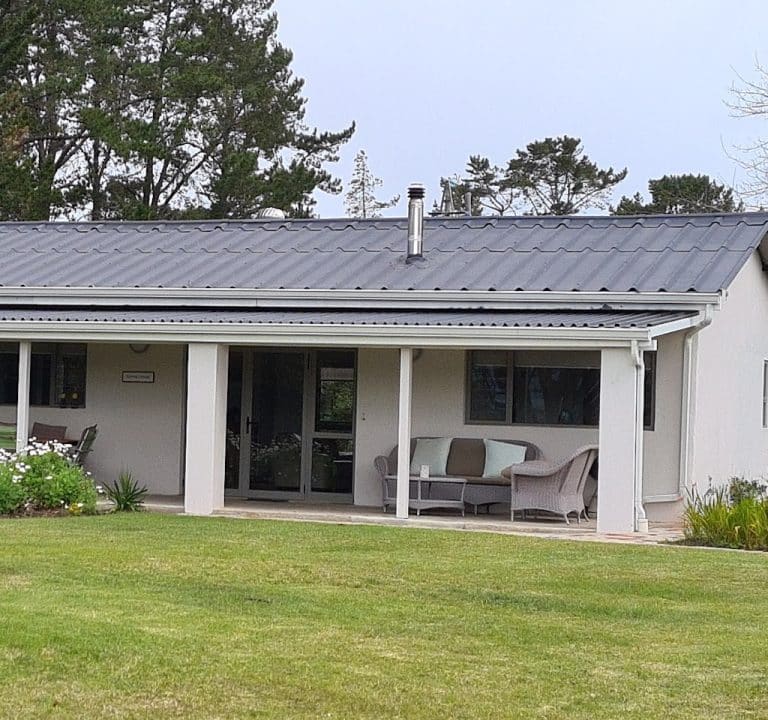
Accommodation in Plettenberg Bay ranges from chic boutique hotels and guesthouses to serviced apartments and self-catering lodges. A growing option for visitors seeking a more self-contained stay is self-catering sites and campsites that blend outdoor living with practical comforts. For example, places such as AfriCamps at Ingwe offer an outdoorsy, self-catering experience in a setting that emphasises nature, privacy and easy access to the surrounding landscape. You can explore their offerings online at the official site, which provides details on location, amenities and booking options.
When choosing where to stay, consider the areas of Plettenberg Bay and what you want each part of town to offer:
- Beachfront or harbour-side stays are ideal if you want quick access to the sands, sea views and a relaxed promenade atmosphere.
- Robberg Peninsula and nearby nature reserves are perfect for walkers and wildlife lovers seeking dramatic scenery and day-long hikes.
- quieter residential neighbourhoods offer easier access to restaurants and shops while remaining peaceful at night.
Typical amenities to look for include reliable Wi‑Fi, convenient kitchen facilities for self-catering, private parking, air conditioning or heating, secure entry systems, and clear access to beaches or nature trails. For families, check that the accommodation has flexible sleeping arrangements and practical features such as outdoor spaces for meals or kids’ play areas. In peak season, many properties offer enhanced housekeeping services, concierge guidance and early check-in or late check-out options to help you tailor your itinerary.
Transport around Plettenberg Bay is straightforward but varies by location. If you stay near the town centre or beachfront, you can often walk to beaches, eateries and shops. Car hire is commonly recommended for exploring the wider Garden Route region, accessing nature reserves, and visiting out-of-town attractions at your own pace. Some guests rely on organised day tours for activities like whale watching or wildlife experiences, while others prefer the flexibility of self-driven itineraries. For international travellers, the nearest major international gateway is a bit further afield, so planning airport transfers or a rental car from the regional airport is usually convenient.
The best time to visit Plettenberg Bay depends on what you want from your trip. Summer months (roughly December to February) bring warm sea temperatures, calm beaches and long daylight hours—ideal for swimming, snorkelling and sunbathing. Autumn (March to May) and spring (September to November) offer pleasant weather and fewer crowds, which can be excellent for hiking, canoeing and exploring coastal paths. Winter (June to August) is cooler, with more variable weather but a chance of rainy days and the opportunity to enjoy cosy evenings with panoramic views. If you’re keen on wildlife, pay attention to migratory patterns and seasonal sightings in nearby reserves and along the coast.
For activities, Plettenberg Bay is well placed for nature and outdoor enthusiasts. Coastal walks along sandy beaches, dramatic cliff-top viewpoints, and forest trails offer constantly changing scenery. The Robberg Nature Reserve is a highlight for many visitors, providing loop walks with wildlife viewing opportunities and sea views. Water-based activities such as kayaking, stand-up paddleboarding and snorkelling are common, depending on the tides and weather. Thoughtful planning can help you balance beaches with cultural experiences such as local markets, craft studios and guided tours that explain the region’s history and conservation efforts.
Dining in Plettenberg Bay tends to favour fresh seafood, local produce and casual, family-friendly settings. Many restaurants emphasise seasonal menus and outdoor dining where possible, with a mix of modern takes on traditional dishes and lighter, health-focused options. When planning meals, consider trying a variety of venues—from beachfront cafés to more intimate establishments inland, as well as markets or farm-to-table outlets that highlight regional ingredients. If you are staying in self-catering accommodation, you’ll find well-equipped kitchens and outdoor spaces suitable for relaxed meals in the sunshine or under the stars.
Practical tips for a smooth stay:
- Book early for peak season, especially if you have specific area preferences or want a property with particular amenities.
- Check access to parking and public transport options if you plan to be car-free for part of your trip.
- Pack layers and sun protection; coastal weather can be changeable and sun exposure is strong even on cooler days.
- Plan day trips to nearby reserves or coastal towns to maximise your time and minimize driving stress.
- Review cancellation policies and assess whether flexible bookings suit your travel style, as plans can shift with weather or activity availability.
Whether you opt for a self-catering base near the sands or a boutique stay closer to the town’s heart, Plettenberg Bay offers a balanced blend of relaxation and adventure. With careful planning, your visit can combine comfortable accommodation, scenic exploration and memorable dining experiences into a well-paced Garden Route escape. For more information on specific properties and booking options, visiting the property’s official website can provide the latest details on availability, facilities and location highlights.