Accommodation and Experiences in Cape Town: A Practical Guide to Booking, Staying, and Exploring
Cape Town, perched between the Atlantic and spectacular mountains, offers a rich mix of accommodation choices that suit a range of travellers. From stylish city apartments and guesthouses to elegant boutique hotels and family-friendly lodges, the region encourages a relaxed pace without sacrificing access to standout natural beauty and cultural experiences. When planning a stay, consider which neighbourhoods best align with your interests, how you prefer to travel, and what you hope to do each day.
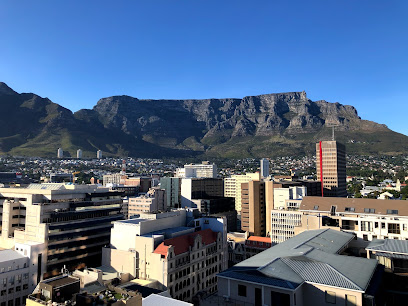
Areas to consider when booking include the central Foreshore and City Bowl for easy access to restaurants, nightlife, and museums, and the historic Bo-Kaap, with its colourful houses and steep lanes. Waterfront properties put you within reach of harbour walks and dining by the harbour side. For a blend of nature and tranquillity, the Atlantic Seaboard—areas such as Green Point, Sea Point, and Camps Bay—offers ocean views, promenades, and quick access to beaches. If you are after a more restful stay with a close link to the city’s green spaces, constantia valley and the mountain-facing suburbs provide lush grounds and vineyards nearby. Afribode’s Mountain View Suite, for example, represents a practical option in a location that can feel both convenient and away from the bustle, with a focus on self-contained living in a well-situated apartment setting.
What to look for when booking hinges on a few dependable indicators. First, assess the layout and legibility of the space: a clear, self-contained unit with a private entrance and a well-equipped kitchen or kitchenette can greatly ease daily routines. Second, check access to transport: proximity to major routes, nearby ride-share hubs, or reliable public transit markedly reduces travel time to coastal viewpoints, Table Mountain cableway access, and modern shopping districts. Third, note the availability of practical amenities—adequate lighting for work or reading, a comfortable bed with quality linens, secure parking if you are driving, and reliable Wi‑Fi for planning day trips or staying connected. Finally, consider hotel or host-organisation policies on housekeeping, linen changes, and guest support, especially if you plan a longer stay or travel with family.
Typical amenities in Cape Town accommodation span from self-catering facilities, daily housekeeping, and fast Wi‑Fi to on-site parking, laundry access, and outdoor spaces with views. For apartment-style stays, you may find a fully equipped kitchen, a living area with seating, and sometimes a small balcony or terrace. Boutique hotels and guesthouses often provide personalised touches such as a seasonal breakfast, access to common lounges, and curated recommendations from hosts or reception teams. When booking, read recent guest reviews to gauge consistency in cleanliness, responsiveness, and the accuracy of property descriptions.
Planning your days around Cape Town’s highlights is easy with a sensible base. Start with a morning ascent up a nearby overlook or a cablecar ride to a prominent vantage point to appreciate the panorama. Then allocate afternoons to cultural experiences, markets, or a coastal walk along pathways that thread between mountains and sea. Dining in Cape Town is a key part of the experience: you’ll find a broad spectrum of cuisine, from modern South African menus to international fare, with many restaurants focusing on fresh, seasonal produce. If you prefer variety, look for areas with a high concentration of eateries and easy access to evenings strolls along water fronts or shaded streets for al fresco meals.
Practical tips to help you make the most of your stay:
- Book accommodation with flexible cancellation policies where possible, given travel disruptions can occur.
- Consider accessibility and transport needs, especially if you plan to visit multiple coastal beaches, viewpoints, and parks that require some driving or longer walks.
- Pack layers: Cape Town’s coastal climate can shift quickly from sunny heat to cool breeze near the water and at higher altitudes.
- Bring comfortable walking shoes for uneven pavements and steep streets, particularly in historic or hillside districts.
- Plan visits to Table Mountain and other natural attractions for early morning or late afternoon to avoid peak heat and crowds.
Best time to visit depends on what you seek. Spring (September to November) brings colour to the parks and favourable hiking conditions. Autumn (March to May) offers milder weather and fewer crowds, while summer (December to February) is popular for beach days and outdoor dining. Winter (June to August) is cooler and typically quieter, with occasional rain—though many indoor venues and markets remain inviting year-round. If you are chasing panoramic views and outdoor activities, align your stay with calmer weather periods, and allow some latitude in your schedule for spontaneous coastal strolls or mountain trail discoveries.
When choosing an apartment like Afribode’s Mountain View Suite, look for a well-reviewed space that highlights practical access to both the city’s urban fabric and its natural surroundings. A home base with a good balance of privacy, comfort, and proximity to dining, markets, and transit can transform a stay from routine to memorable. For further inspiration, explore reputable booking platforms and the property’s official site for updated photos, floor plans, and guest guidance. With thoughtful preparation, Cape Town can offer a richly varied, comfortable, and rewarding visit that stays true to the city’s spirit of discovery.