Staying in Cape Town: a guide to accommodation and experiences for a memorable stay
Cape Town offers a wide range of places to rest your head, from intimate bed & breakfast rooms to stylish boutique hotels and self-contained apartments with sea views. When planning a stay, consider how you want to spend your days: whether you crave easy access to iconic scenery, convenient transport links, or quiet neighbourhood charm. The city’s diverse neighbourhoods each bring their own flavour, and choosing the right base can transform your experience.
The Atlantic Seaboard, including Camps Bay and Sea Point, is popular for those seeking dramatic coastal scenery, promenade strolls, and a pool of dining choices along the coast. Here you’ll find many guesthouses and small hotels that offer en-suite rooms, balconies with sea glimpses, and continental or full breakfast options. For a calm, leafy vibe with proximity to nature, Constantia Valley is ideal—quiet guesthouses and boutique lodges are common, paired with easy access to wine estates and mountain trails. In the city centre, the City Bowl and the historic Bo-Kaap area provide lively city living, traditional architecture, and walkable access to theatres, galleries, and café culture. A stay in this area often means compact rooms or self-catering flats, sometimes with heritage details and shared social spaces.
When booking, look for a few practical features that make a stay more comfortable and stress-free. A straightforward shore-to-city transfer plan is essential if you plan early-morning excursions or late returns. Private parking or secure on-site parking is valuable in coastal areas where street parking can be restricted. Wi‑Fi reliability is worth confirming, especially if you intend to work remotely or plan to stream travel content for friends and family back home. A guesthouse or hotel that offers breakfast or access to a shared kitchen can simplify mornings before a day out on the hills or along the V&A Waterfront.
Typical amenities vary by property type but often include ensuite bathrooms, furnished terraces or balconies, climate control, and a friendly front desk or host who can offer local tips. Many B&Bs in Cape Town provide a warm, personalised welcome, with hosts who can tailor recommendations around your interests — be it hiking on the Table Mountain slope, coastal walks, or day trips to the Cape Winelands. For families, larger suites or apartment-style rooms with a kitchen or kitchenette can provide flexibility. If you’re seeking a romance-filled escape, consider a guesthouse with sea views or a boutique hotel tucked into a quiet lane; the atmosphere can feel intimate, with an emphasis on hospitality and thoughtful touches.
Getting around is straightforward, but planning a transport strategy helps you maximise sightseeing. The MyCiTi bus network covers many popular routes, including links to the city centre, V&A Waterfront, and key beaches. Light rail upgrades and ride-hailing services are widely available, while many guests prefer renting a car to explore the wider Cape Peninsula, Constantia wine routes, and day trips to Cape Point. If you stay near Camps Bay or the Atlantic Seaboard, a short drive or a scenic stroll along the shoreline can be part of everyday life during your visit. For those who prioritise environmental considerations, walking and cycling are feasible in many neighbourhoods, particularly along the coast and green city spaces.
Best time to visit Cape Town depends on what you want from your trip. The late spring and summer months (roughly October to March) bring longer days, warmer weather, and good surf, perfect for outdoor activities and coastal dining. Winter (June to August) is cooler and often rainier, yet it can offer dramatic mountain scenery, fewer crowds, and excellent value on accommodation with cosy hearths in many guesthouses. Shoulder seasons balance these elements, offering pleasant weather for hiking, wine-tasting, and sightseeing without the peak-season bustle.
Nearby attractions and experiences are plentiful, and planning a few essential visits can help you allocate time wisely. Iconic viewpoints and summit walks on Table Mountain are classic highlights, while Robben Island offers a poignant historical perspective. The V&A Waterfront provides a broad mix of shopping and casual dining in a lively harbour setting, and Kirstenbosch National Botanical Garden offers exquisite horticultural displays and gentle walking routes. For food lovers, Cape Town’s restaurant scene spans modern South African cuisine, seafood-centric venues along the coast, and comforting cafes in urban pockets. Wine lovers can arrange day trips to the nearby Constantia or Stellenbosch regions to sample acclaimed estates and scenic backdrops.
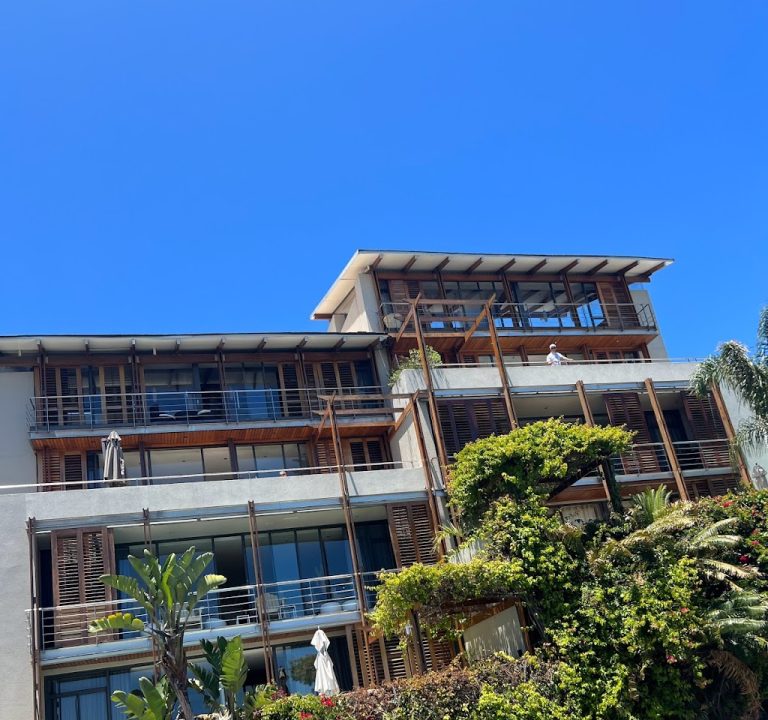
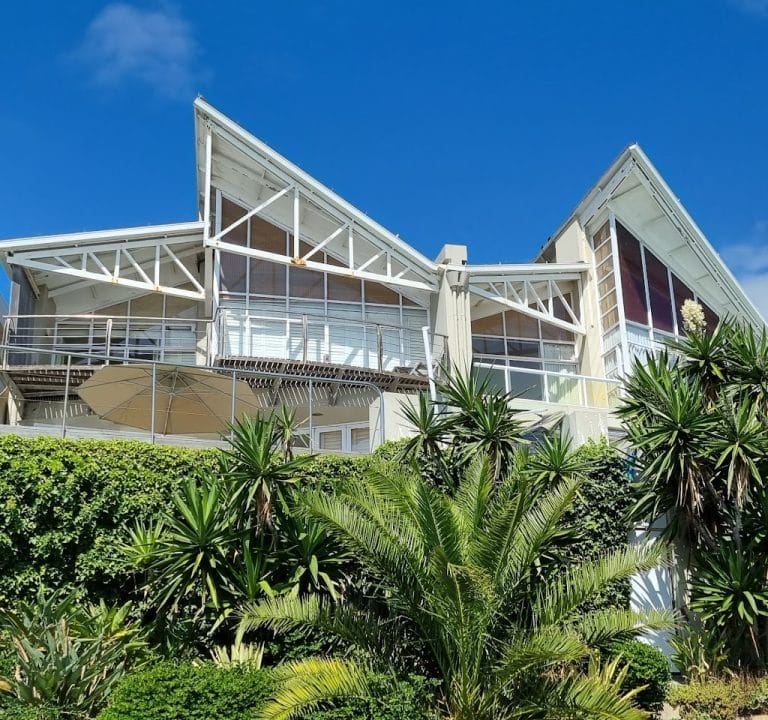
To illustrate how accommodation can shape your stay, consider a small yet characterful option such as a B&B in Camps Bay or a guesthouse within easy reach of the city’s beaches and hillside trails. An example in this category is a place known for being a relaxed retreat with a hospitable host and a light breakfast offering, ideally located for early coastal walks or sunset views across the bay. Such a setting can balance restful mornings with quick access to the waterfront and mountain routes, making it a practical and enjoyable choice for many travellers.
- Plan a flexible itinerary that accommodates both outdoor activities and relaxed cafe hours.
- Choose accommodation with clear policies on cancellation, breakfast options, and pet or parking arrangements if relevant.
- Prioritise properties with reliable Wi‑Fi and easy access to transport links or parking.
- Factor in time for a wine-region day trip or a coastal drive to truly appreciate the surrounds.