Gqeberha: Where to Stay and What to Do in the Eastern Cape
Gqeberha, formerly known as Port Elizabeth, sits along the sunlit shores of the Eastern Cape and serves as a gateway to the Cape’s coastal towns, game reserves and scenic hinterlands. When planning a stay in the city and its surrounds, consider a mix of accommodation styles—from central hotels and boutique guesthouses to self-catering options that put you in control of your timetable. The area’s strong harbour heritage, wildlife access, and easy road links make it a practical base for exploring the coast and nearby reserves.
Areas to consider for accommodation include the beachfront suburb where many properties offer sea views and strolls along the promenade, the bustling city centre with convenient access to shops and eateries, and the northern suburbs known for family-friendly stays and quieter residential streets. If you plan day trips to nature reserves or coastal towns, look for locations with straightforward regional routes and easy parking. For a calmer stay, seek out self-catering or guesthouse options set a short drive from the main routes, reducing city traffic while still offering convenient access to highlights.
When booking, think about access to transport and the pace of your visit. If you plan early morning game drives or late dinners, a central stay with reliable parking and clear directions is practical. For more relaxed holidays, a home-away-from-home with full kitchen facilities and a private outside space can help you tailor meals and daily rhythms. Check the listing for clear cancellation terms, housekeeping frequency, and the responsiveness of hosts or managers, as quick communication can make a big difference if plans shift.
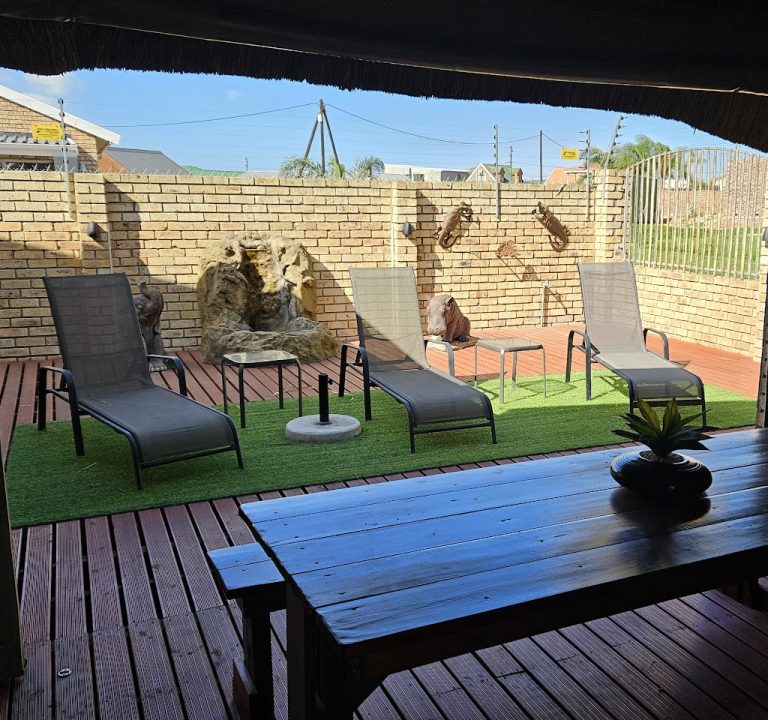
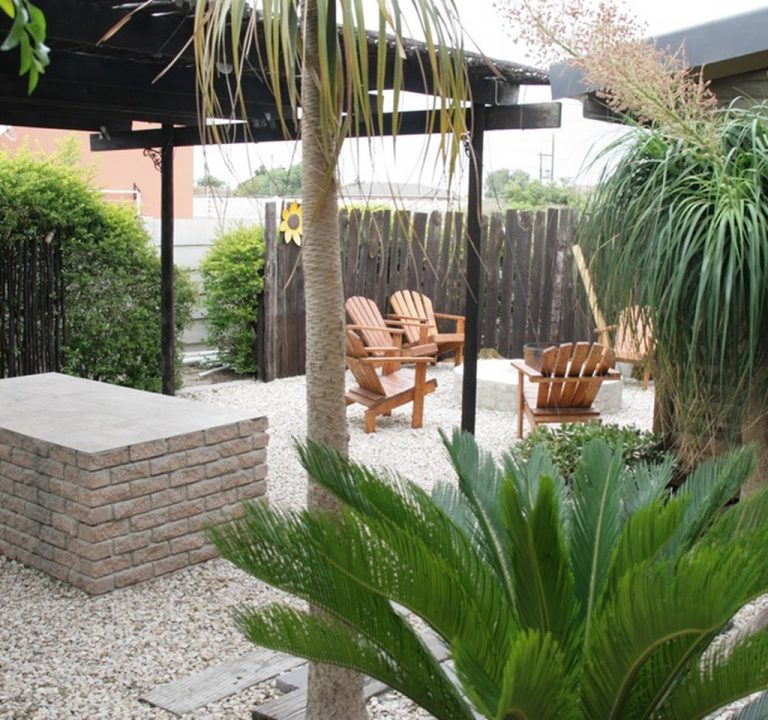
Typical amenities to look for include secure on-site parking, air conditioning or fans for coastal heat, reliable wi‑fi, and flexible laundry facilities. A well-equipped kitchen, or at least a dedicated coffee/tea station, is often a plus for longer stays. If you’re visiting in winter or during windy periods, ask about heating options. For families or groups, a property with separate bedrooms or a living/dining area can improve comfort. Outdoor spaces—balconies, patios or courtyards with seating—are valued for evening relaxation after day trips.
Public transport in Gqeberha is practical for some visitors, but many travellers prefer a hire car to maximise exploration of the wider Eastern Cape. If you won’t drive, check whether the property offers shuttle options, or if your plan includes coastal towns and reserves reachable by local tours. The route to nearby reserves often returns through scenic roads, where a car with good suspension helps on uneven surfaces. For day trips elsewhere in the region, plan for fuel and time; the province’s distances are broad, and traffic patterns can vary with the season.
The best time to visit depends on your interests. Summer (roughly December to February) brings warmth and a lively coastal atmosphere, but it can also be busier with visitors and crowds at beaches and attractions. Autumn brings mild weather and quieter days, a nice window for outdoor walking tours and wildlife experiences. Winter offers cooler evenings and compelling off-peak rates, while spring brings fresh coastal scents and wildlife activity in nearby reserves. Pack layers—coastal winds can be brisk—and consider sun protection for beach or outdoor days.
Attractions around Gqeberha are diverse and can suit a range of interests. Coastal promenades, blue-flag beaches and waterfront views are a perennial draw. Within easy reach, nature reserves and open spaces offer opportunities to spot wildlife, birdlife and sweeping landscapes. For culture and history, you’ll find galleries, maritime stories and city architecture that reflect the area’s rich past. When planning day trips, balance a mix of natural scenery with some relaxed meals in town to sample local hospitality without feeling rushed.
Dining in and around Gqeberha ranges from casual eateries to family-friendly restaurants that focus on seasonal ingredients. In coastal neighbourhoods, you may find light meals and seafood options alongside more substantial meals, while central areas typically provide a broader choice of café culture and modern dining. If you enjoy exploring like a local, consider booking a meal at a venue that emphasises fresh produce and regional flavours. For a broader culinary plan, review listing descriptions and recent reviews to identify places that align with your preferences, whether that’s quiet breakfasts, seafood lunches, or evening dining with a view.
Practical planning tips to help you make the most of your stay:
- Read guest reviews carefully for specifics on noise levels and consistency of housekeeping.
- Choose a base with easy access to main roads and a clear route to planned day trips.
- Book in advance for peak seasons, and inquire about flexible rates or cancellation policies.
- Check for self-catering facilities if you prefer to cook and dine at times that suit you.
- Investigate any local markets or seasonal events that might enhance your itinerary.
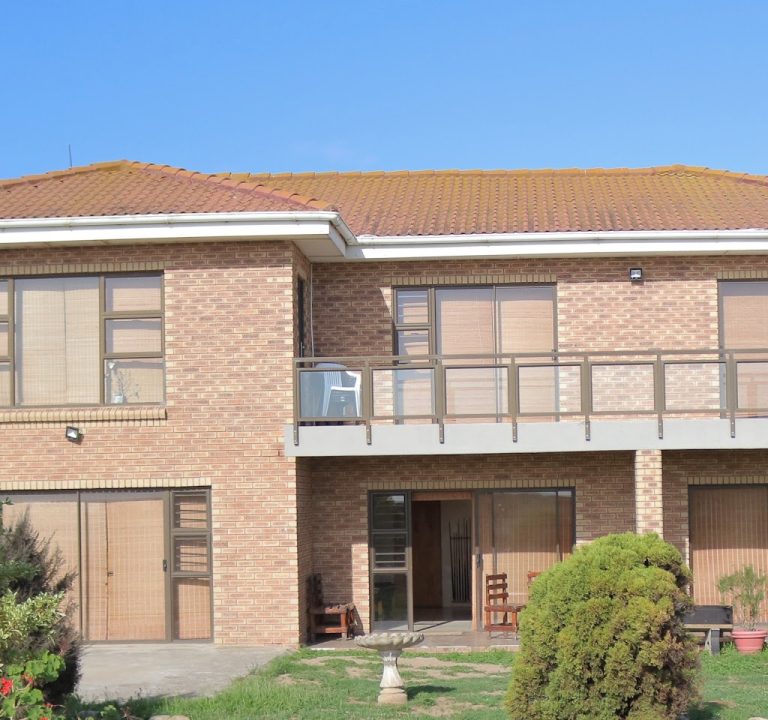
For a glimpse into accommodation options and practical stays in the region, you can explore examples such as self-catering agencies or guesthouses that emphasise a home-from-home experience. An online presence for a local self-catering agency can be found on social platforms, where listings may provide photos, location details and contact information for booking inquiries. This can be a useful starting point to compare different districts and property types while planning your visit to Gqeberha and the surrounding Eastern Cape.
As you build your itinerary, keep in mind that Addo Mountain View is a notable reference point within the broader region. For prospective guests interested in familiarising themselves with self-catering options, you can peruse their online profile for an understanding of the local style and offerings. To learn more, you may visit their page at the provided social link: https://www.facebook.com/profile.php?id=100089821095788