Exploring Johannesburg: Where to stay, what to see, and how to plan a memorable visit
Johannesburg, a dynamic gateway to South Africa’s rich culture and history, offers a wide range of accommodation to suit every style and budget. From intimate guest houses on leafy streets to contemporary boutique hotels in bustling city centres, planning a stay in Gauteng’s capital is all about choosing the right neighbourhood and the right pace for your visit. Whether you’re after a quiet base to unwind after exploring museums and markets, or a lively hub close to restaurants, galleries and nightlife, Johannesburg can deliver.
One key consideration when choosing where to stay is the character of the neighbourhood. Sandton is known for its modern): offices, high-end shopping, and straightforward transport links. If you prefer a more artistic vibe with cafés and street art, Braamfontein or Maboneng offer creative energy and easy access to popular urban experiences. Rosebank and Parkhurst provide a balance of boutique eateries, markets and a walkable streetscape, while neighbourhoods near Soweto give a sense of history and community, with opportunities to arrange guided tours. For most visitors, staying near a Gautrain station or in central suburbs can simplify travel around the city and to nearby attractions.
When booking accommodation, look for several practical amenities that will keep your stay comfortable and stress-free. A welcoming guest house or hotel often lists features such as secure parking or easy on-street loading, reliable Wi‑Fi, and flexible check-in options. In-room conveniences like climate control, a well-equipped workspace, a tea and coffee station, and sufficient storage space can make longer stays more pleasant. If you plan day trips, ask about late check-out possibilities or luggage storage, and whether the property can assist with arranging local guided experiences or airport transfers.
Transport in Johannesburg is generally straightforward but varies by area. The Gautrain offers fast, reliable connections between O.R. Tambo International Airport, Sandton, and Pretoria, making it a popular choice for visitors arriving by air. Within the city, Uber, ride‑hailing apps, and taxi services are common, while some guest houses and hotels provide shuttle services or can arrange private transfers. If you prefer public transport, keep an eye on service routes and peak travel times, and plan extra time for the journey during busy periods. For guests intending to drive, secure parking and safe access to your accommodation will be important considerations in your decision.
The best time to visit Johannesburg generally falls outside the peak rain season. The city experiences a warm, dry winter from May to September and a hot, wetter summer from October to April. Winter sunshine makes it pleasant for outdoor markets and city walks, while summer afternoons often bring thunderstorms. If you enjoy outdoor markets, street food, and longer daylight hours, spring and early autumn can be particularly pleasant. If your plans include visiting surrounding natural areas or taking longer day trips, coordinating your itinerary with the weather is wise, as some outdoor activities are more enjoyable in drier conditions.
Accommodation types in Johannesburg span guest houses, boutique hotels, lodges, and self-catering options. Smaller guest houses on quiet streets offer a personal touch, with hosts who can share local recommendations, maps, and practical tips for navigating the city safely. Boutique hotels in central districts may provide stylish rooms, on-site dining, and curated experiences such as guided walks or cultural excursions. When evaluating options, consider what matters most to you: proximity to transit, a quiet room after a busy day, or a social atmosphere with fellow travellers. Reading guest reviews and checking recent updates on the property’s website can help you gauge cleanliness, service quality, and the attentiveness of staff.
In addition to accommodation, Johannesburg offers a wealth of experiences that enhance any stay. Cultural highlights include galleries, historical centres, and open-air markets where you can sample traditional foods and contemporary cuisine alike. For a flavour of daily life, consider exploring diverse neighbourhoods on foot or by short taxi rides, visiting markets, trying a local café, or stopping at a neighbourhood restaurant that emphasises seasonal ingredients and regional dishes. When planning meals, you’ll find a range of options from casual eateries specialising in light, quick bites to more refined venues offering multi-course menus. It’s common for properties to assist with reservations or recommendations, which can be helpful for busy periods.
Practical tips to maximise your stay:
- Confirm access and quiet hours when booking, especially if your room is close to common areas or a street with nightlife.
- Ask about security measures and safe access to your accommodation, including around-the-clock reception or on-site staff availability.
- Check Wi‑Fi quality, power outlets, and charging facilities for devices you’ll rely on during your trip.
- Request a copy of local transport tips, with suggested routes to major sights and dining areas.
- Seek host or staff guidance on recommended day trips, cultural experiences, and safety tips tailored to current conditions.
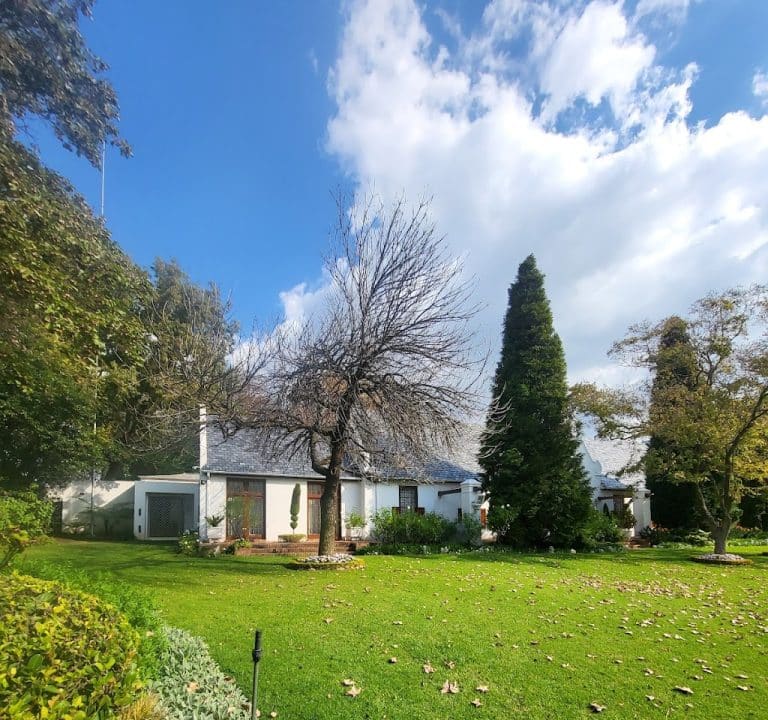
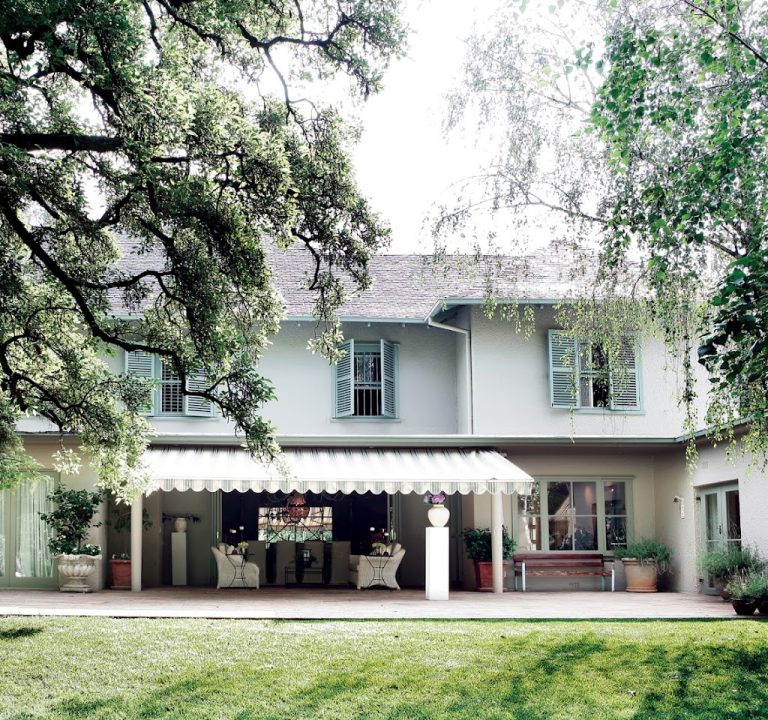
If you’re considering a stay in a guest house such as Acorn Lane, you may enjoy the intimate atmosphere, personalised service, and a home-from-home feel that can make a city break especially relaxing. Regardless of which accommodation you choose, Johannesburg’s vibrancy, diverse cuisine, and dynamic arts scene offer plenty to discover, both within the city and nearby regions. With thoughtful planning—balancing neighbourhood character, transport options, and practical amenities—you can craft a stay that suits your interests and allows you to explore Gauteng with confidence and ease.