Exploring Cape Town: Where to Stay, What to Do, and How to Plan a Memorable Visit
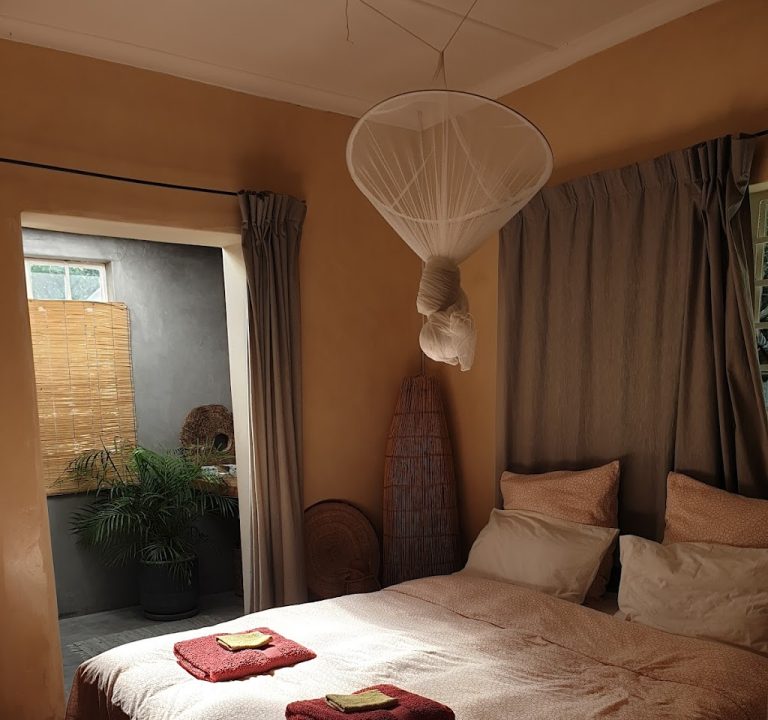
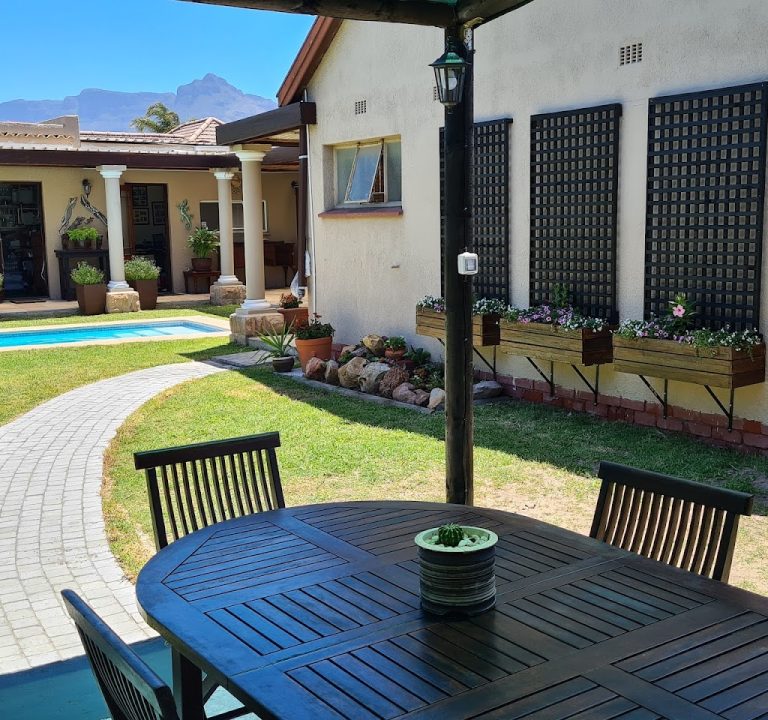
Cape Town offers a rich mix of hospitality and scenery that suits a wide range of travellers, from sun-soaked beach breaks to cultural city explorations. When planning a stay, think about the vibe you want, the distance to key sights, and the pace of your days. For a comfortable base, consider areas that balance proximity to attractions with easy access to transport, dining, and nightlife. A boutique hotel such as Ace’s Place can provide a convenient anchor in a popular neighbourhood, while guesthouses and self‑catering options offer a warmer, often more residential feel.
Areas to consider include the Atlantic Seaboard, Constantia, the Waterfront precinct, and the city bowl. The Atlantic Seaboard combines dramatic coastlines with stylish eateries and well-rated guesthouses, and it’s ideal for long walks along the shore and spectacular sunsets. The City Centre and the vibrant inner city offer a compact base close to museums, markets, and a thriving dining scene. Constantia is renowned for its leafy streets, elegant lodges, and easy access to wine estates in the nearby valleys. The Waterfront area provides a lively mix of shops, seafood restaurants, and harbour views, with several hotels and mid‑range hotels clustered near the marina. Regardless of where you stay, a short ride by car or reliable public transport can connect you to the broader range of attractions around the Peninsula.
When booking, look for practical amenities that suit your itinerary. Expect comfortable beds with quality linens, reliable Wi‑Fi, and secure access. For longer stays, consider self‑catering options or rooms with kitchenettes, as these can help you manage meals and budget. A good hotel or guesthouse will usually offer on-site parking or easy parking nearby, daily housekeeping, and 24‑hour reception or a contactable host. If you’re visiting during peak seasons, check for seasonal breakfast options, late‑check‑out possibilities, and flexible cancellation terms. For families or groups, suites with separate living spaces and extra bathrooms can make a big difference to comfort levels.
Transportation is a key planning element. Cape Town has a mix of options, from rental cars and ride‑hailing to compact public transport routes and well-signposted walking paths. If you intend to explore beyond the central districts, a car can be the most convenient choice, though many areas are serviceable by rideshare and reputable tour operators. If you prefer not to drive, look for accommodation that can arrange reliable transfers or provide easy access to major bus routes, metro lines, or hop‑on hop‑off sightseeing services. Organised day trips are a popular way to see the peninsula, including coastal drives, scenic viewpoints, and short hikes that suit most fitness levels.
Best time to visit Cape Town depends on what you want from the trip. Spring (September to November) and autumn (March to May) offer mild weather, blooming gardens, and fewer crowds than mid‑summer. Summer (December to February) brings long days and beach-friendly conditions, though it is peak tourist season and can be busier and noisier around popular spots. Winter (June to August) is generally cooler and allows for dramatic sea views and fewer crowds, with plenty of indoor activities and wine estate visits nearby. Pack layers, a sunhat, sunscreen for daytime outdoors, and comfortable walking shoes for steep streets and scenic paths around Table Mountain and Cape Point routes.
When planning a day, sketch a loose route that combines a couple of iconic sights with time for meals and spontaneous stops. A morning visit to a striking landmark is a common pattern, followed by a relaxed lunch at a harbour or coastal eatery. In the afternoon, consider exploring a museum, art gallery, or a local market, then cap the day with a sunset viewing or a short nature walk. In terms of dining, Cape Town’s restaurant scene ranges from casual cafes to refined eateries that focus on fresh, local ingredients. Early reservations are advisable in busy periods, and it’s worth asking staff for recommendations on seasonal specials or wine pairings.
Practical tips for visitors include budgeting for travel between districts, as some routes can take longer during peak traffic. Always confirm check‑in times and parking arrangements with your accommodation, especially if you plan to arrive late or depart early. Respect local weather conditions, particularly when exploring outdoor routes around the peninsula, where winds and sudden changes can occur. Keep essentials handy—water, a light layer for cooler evenings, and a portable charger for devices used to map routes or capture memories. If you are staying in a quieter neighbourhood, familiarise yourself with the nearest grocery stores, pharmacies, and public transport stops to travel confidently and efficiently.
- Choose an area with good access to transport links if you plan day trips outside the city core.
- Prioritise properties with reliable Wi‑Fi, comfortable bedding, and safe access after dark.
- Balance your itinerary with a mix of nature, culture, and dining experiences.
- Book ahead for peak seasons and popular attractions, but leave room for spontaneous discoveries.
Cape Town is a destination that rewards thoughtful planning and a flexible schedule. By balancing accommodation in a well‑located area with a mix of activities, you can enjoy both the city’s spectacular scenery and its warm, welcoming hospitality. For more ideas and practical updates, browse official tourism resources and hotel partner pages, which can provide current information on openings, routes, and seasonal highlights. Whether you are drawn to dramatic coastlines, historic streets, or vibrant markets and eateries, Cape Town invites you to pace your stay to suit your interests and pace.