Stellenbosch: accommodation, attractions and planning your stay
Stellenbosch blends heritage and modern comfort in the Cape winelands, delivering a range of self-catering options, guesthouses, boutique hotels and family-friendly lodges. Whether you seek a cosy apartment for a quiet escape, a farm-stay near vineyards, or a stylish townhouse within walking distance of the town’s oak-lined streets, Stellenbosch offers accommodation that suits different itineraries and budgets. The town is well served by several routes and public transport links, with many properties providing parking or easy access to reliable taxi and ride-hailing services.
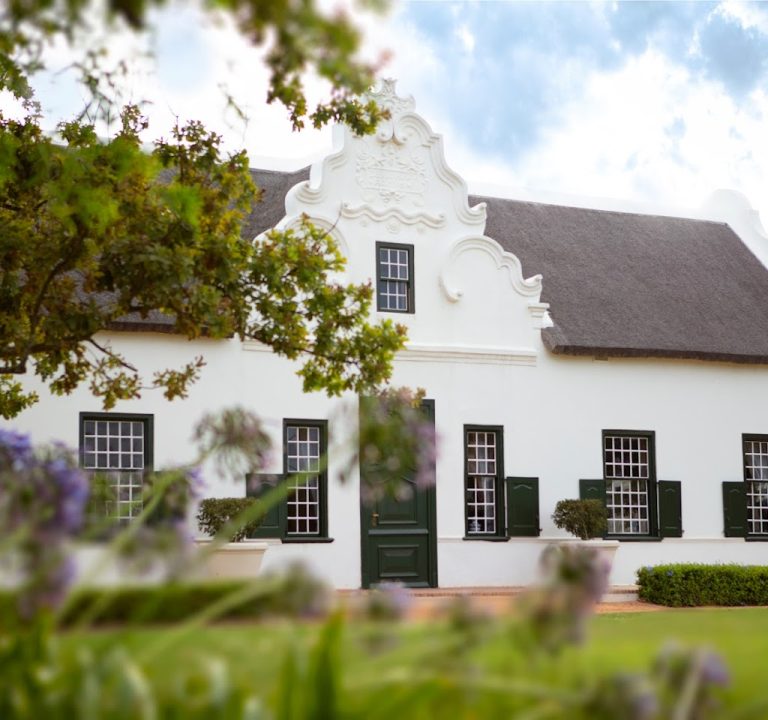
When planning where to stay, think about your daily programme. If you are drawn to wine estates and scenic walks, consider staying in or near the northern wine routes around Devon Valley or the Bottelary Hills, where many properties combine relaxed interiors with picturesque views. For a more cultural and walkable experience, central Stellenbosch is ideal, with streets of Cape Dutch architecture, convenient access to eateries, and proximity to museums and galleries. Families or groups may prefer spacious self-catering cottages or apartments with separate living spaces and kitchen facilities, while couples often enjoy boutique stays that offer intimate lounges, customised menus, or spa treatments on-site.
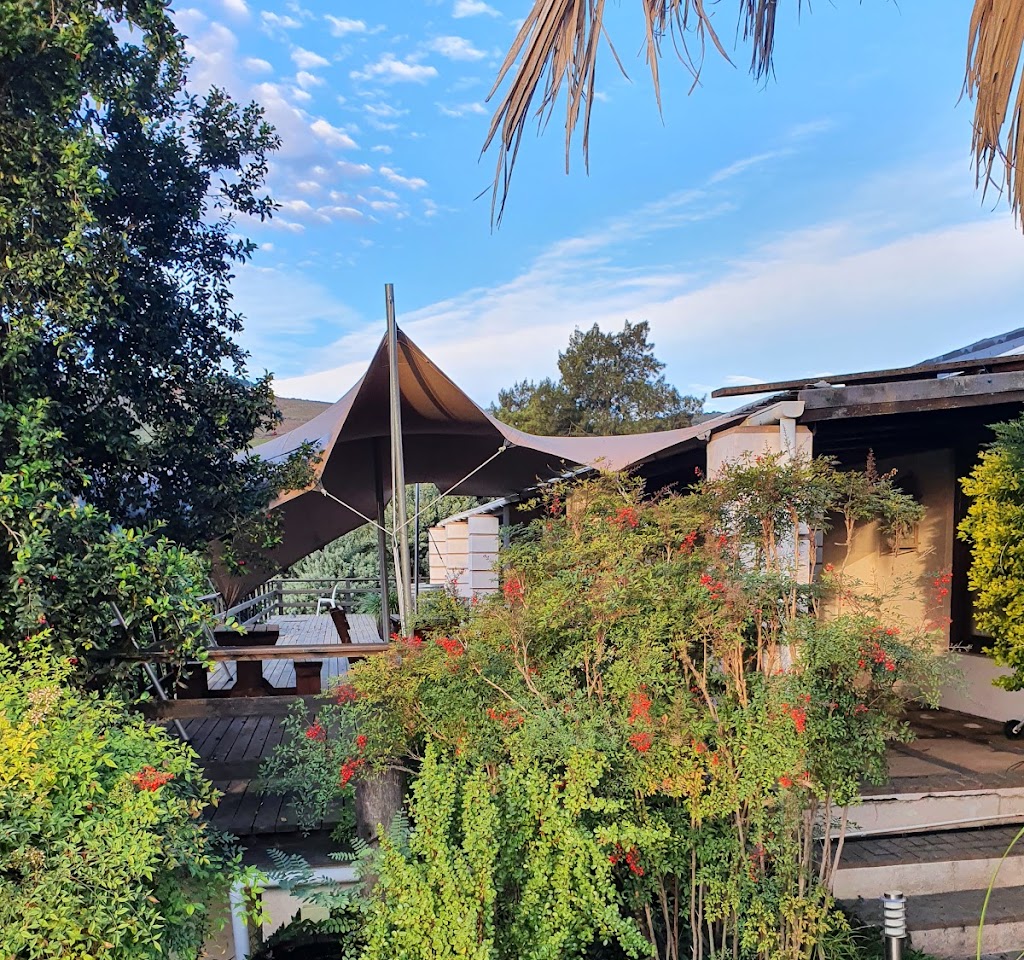
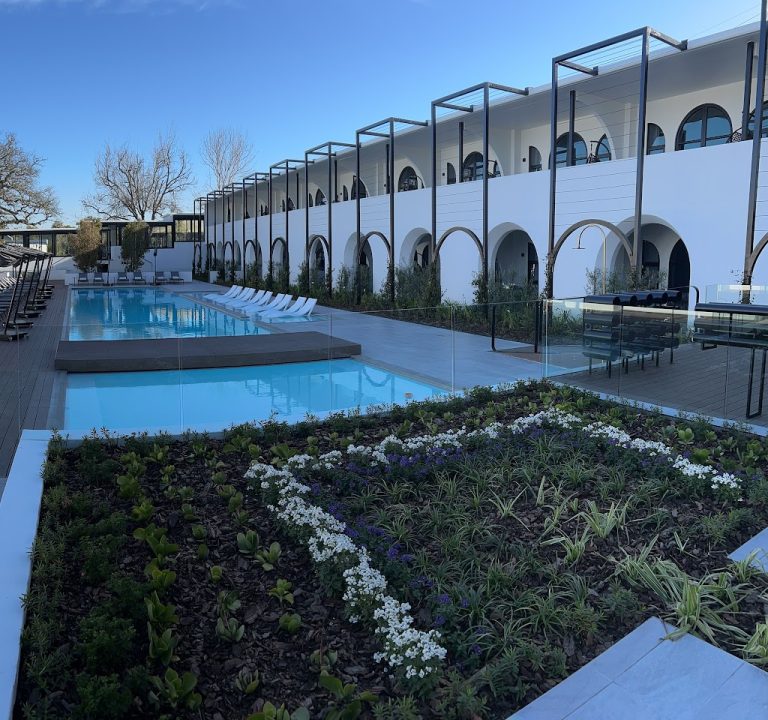
Typical amenities you might expect include private or self-contained units, fully equipped kitchens or kitchenettes, reliable Wi‑Fi, off-street parking, and outdoor spaces such as courtyards or garden decks. Many guesthouses and lodges provide daily housekeeping, breakfast options, and on-site facilities like pools, picnic areas, or barbecue facilities. For longer stays, self-catering properties with laundry facilities and nearby supermarkets are especially convenient. If you value sustainability, look for properties that emphasise wa ter conservation, energy efficiency and support for local suppliers.
Booking considerations go beyond price. Look at location relative to the activities you enjoy. A short stroll to the central square and university botanical gardens can save time, while a drive to some wine estates or nature reserves offers greater flexibility. Check access to public transport and the proximity of main roads if you plan day trips to nearby towns, vineyards, or coastal towns. Read guest reviews for practicalities such as noise levels, ease of check-in, and the convenience of on-site facilities. If cycling or hiking is part of your plan, ask about bike storage, hiking maps, and suggestions for scenic routes.
Transport in Stellenbosch is straightforward, but certain areas are more car-dependent. If you arrive by air, the closest international gateway is a short drive away, followed by a hire car for the most flexibility. For shorter stays, many guests rely on taxis or rideshare services to reach the town’s historic core, wine estates, and nearby attractions. Some accommodations can arrange private transfers or day trips to places like marine towns along the coast or scenic viewpoints in the surrounding hills. When planning longer day trips, a road atlas or a GPS-enabled device can be helpful for navigating winery routes and nature reserves.
The best time to visit Stellenbosch depends on what you want from your trip. Spring (August to October) brings blossoming gardens and mild conditions ideal for walking tours and vineyard visits. Summer (November to February) is popular for outdoor dining, longer winery hours, and harvest-season energy, though it can be warmer. Autumn (March to May) offers pleasant temperatures and quieter streets, while winter (June to August) can be cooler and more atmospheric for cosy stays and fireside evenings. Consider shoulder seasons to balance pleasant weather with fewer crowds and better value.
Within the town, there are many options to tailor your days. In addition to wine estates, you can discover Cape Dutch architecture on historic streets, browse small art galleries, and learn about the region’s agricultural heritage. For nature lovers, the nearby Jonkershoek Nature Reserve provides trails ranging in difficulty, with panoramic viewpoints and opportunities for picnics. Foodies will find a variety of restaurant concepts nearby, from classic South African favourites to contemporary menus that bring local produce to the fore. Many venues source ingredients from nearby farms and markets, offering a sense of place that enhances a stay in the winelands.
To help you plan, here is a quick guide to potential areas to consider when choosing accommodation:
- Stellenbosch Central: easy access to the town’s historic streets, eateries, and the university’s botanical gardens; ideal for compact stays and walking exploration.
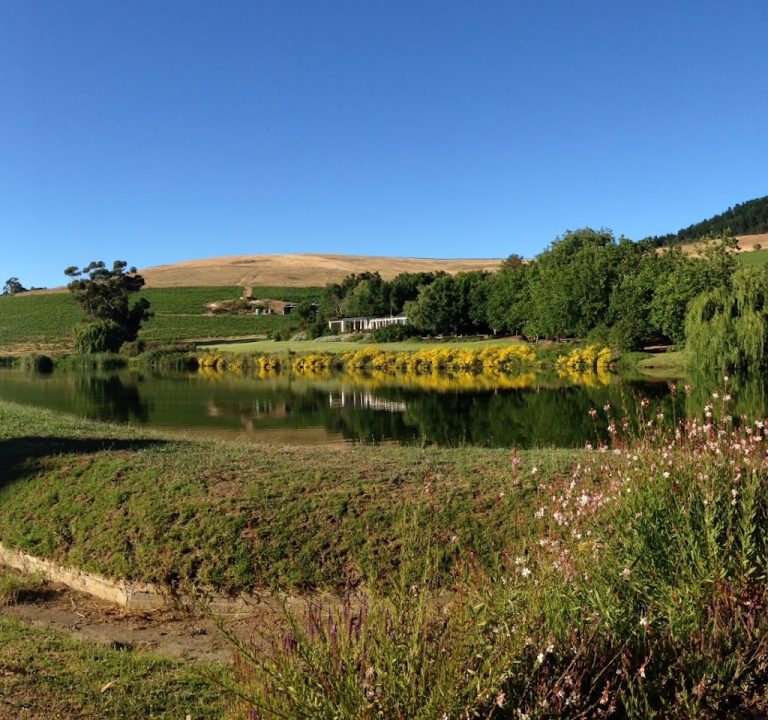
- North and western vineyards (Devon Valley, Bottelary Hills): scenic views, quieter surroundings, and opportunities to combine hillside walks with estate visits.
- Strand and coastal fringe: a short drive from Stellenbosch, suitable for travellers who want a beach day as part of their itinerary.
When you book, verify practical details such as check-in times, whether meals are included, and what is provided in the kitchen for self-catering. If you are continuing your journey to nearby towns or coastal destinations, ask about guided or self-guided day trips offered by the property, or ask for recommendations on reputable operators. For a well-rounded stay, plan a couple of evenings to explore the town’s dining scene and a day dedicated to a countryside excursion, ensuring you return to a comfortable base each night.