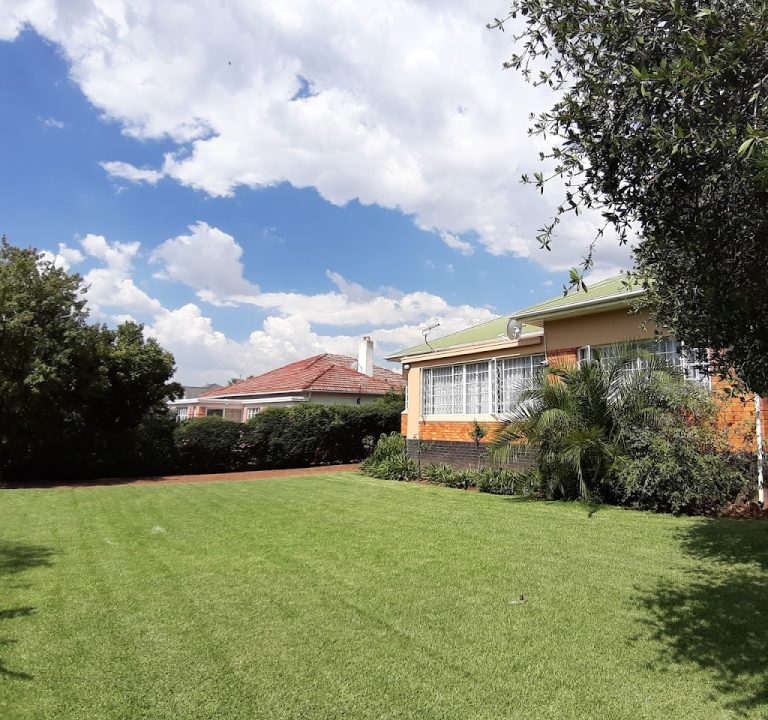
Accommodation and Things to Do in Johannesburg, Gauteng
Johannesburg, a dynamic gateway to South Africa’s interior, offers a wide range of stays—from intimate guest houses to stylish boutique hotels and mid‑range lodges. For visitors seeking a balance of comfort, convenience and local flavour, choosing a neighbourhood is as important as selecting a room. The city’s diverse areas each bring a distinct character, from leafy suburbs with tree-lined streets to the bustling urban core that pulses with markets, galleries and cafés.
When planning a stay, consider locations that suit your itinerary. Rosebank and Melville provide a relaxed, walkable vibe with good transport links and frequent dining options. Sandton is ideal for business travellers and shoppers, while neighbourhoods like Maboneng and New Town are popular for arts, culture and a more independent hospitality scene. If you prefer a quieter, residential feel with easy access to parks and nature, areas around Parktown or Houghton can be appealing. For a budget‑friendly option with charm, a guest house in central Johannesburg or nearby suburbs can offer a genuine sense of place without sacrificing comfort.
Typical amenities to look for when booking include secure parking or easy access to reliable transport, a thoughtful breakfast offering, clean and well‑maintained rooms, and practical conveniences such as QR‑code key access, Wi‑Fi, and a functional workspace. For families, confirm the availability of twin or interconnecting rooms, cots for younger children, and a safe play area. Business travellers often value ensuite bathrooms, outlets near the bed, a workspace, and proximity to business districts or transport hubs. A guest house in particular may emphasise personalised service, with hosts ready to share local tips for dining, markets and day trips.
Practical planning tips for a comfortable stay include checking the accessibility of the property from major transport routes. Johannesburg is well connected by a network of motorways and public transport, but some areas are better explored on foot or with a short Uber/ taxi ride. If you plan to use the Gautrain for day trips to nearby towns or the airport, choose a base with straightforward access to the route or a nearby station. Safety matters: keep your belongings secure, avoid flashing valuables, and coordinate transport through reputable providers, especially late in the evening. For daytime explorations, daylight hours are generally pleasant, while evenings can be cooler, so pack layers accordingly.
Johannesburg’s attractions are spread across the city and its surrounding areas. From cultural institutions and markets to nature reserves and skyline viewpoints, there is something for most interests. In central and northern districts, you’ll find museums, galleries, and neighbourhoods with colourful street life and sustainable dining options. For nature lovers, nearby parks and green spaces offer opportunities to stretch your legs between museum visits or shopping sprees. Food lovers can expect a lively dining scene with an emphasis on modern South African cuisine, seasonal menus and casual bistros—perfect for relaxed evenings after a day of sightseeing. While specific venues and prices fluctuate, a general sense of high‑quality, locally inspired cuisine and diverse options is a common thread across the city’s dining scene.
For a balanced itinerary, consider a mix of indoor and outdoor experiences. Spend mornings exploring a few curated galleries or markets, followed by a leisurely lunch in a cafe or bistro that showcases the city’s contemporary culinary voice. In the afternoons, a park, garden or vantage point offering views of the city can be a refreshing break. If you enjoy guided experiences, look for local operators offering short city walks, art tours, or culinary tastings that emphasise neighbourhood character and small‑business storytelling. Museums and historical sites can help frame Johannesburg’s complex past and present, while modern retail and hip cafés provide a sense of current urban life.
Guest houses such as Abissinia Guest House (as an example of the type of accommodation available) can offer a personal, people‑focused stay, often with hosts who are well placed to share practical tips about day trips, markets, and neighbourhood gems. When booking, read recent guest reviews for consistency in service, cleanliness and communication. Look for clear policies about check‑in times, breakfast options, housekeeping frequency, and any on‑site facilities like a communal lounge, garden, or kitchenette that can enhance your stay.
Bottom‑line planning tips:
- Choose the area based on your interests and transport needs: easy access to parks and markets, or proximity to business districts and nightlife.
- Check for reliable Wi‑Fi, secure parking, and practical amenities for comfort and work if needed.
- Confirm breakfast formats, cleaning schedules, and check‑in instructions in advance.
- Plan transport ahead of time, considering ride‑hailing options or proximity to Gautrain stations.
- Pack appropriately for Johannesburg’s climate: coastal‑moderate summers with afternoon showers and cooler, dry winters.
In brief, Johannesburg rewards travellers who blend a well‑chosen base with a thoughtful mix of daily activities. Whether you prioritise a restful guest house experience with a warm welcome, or a more energetic stay near museums, markets and modern eateries, the city offers comfortable, characterful options and a breadth of experiences to suit a range of itineraries. Always book with reputable providers and confirm the essentials before arrival, then enjoy discovering a city that seamlessly blends heritage, creativity and contemporary South African hospitality.