Pongola: A guide to staying, exploring and dining in KwaZulu-Natal
Pongola in KwaZulu-Natal offers a relaxed base from which to experience rural South Africa, with easy access to riverine scenery, nature reserves and cultural encounters. Whether you are seeking a cosy guest house, a rural lodge, or a self‑catering break, the town and its surrounding countryside provide a calm backdrop for exploration and downtime alike.
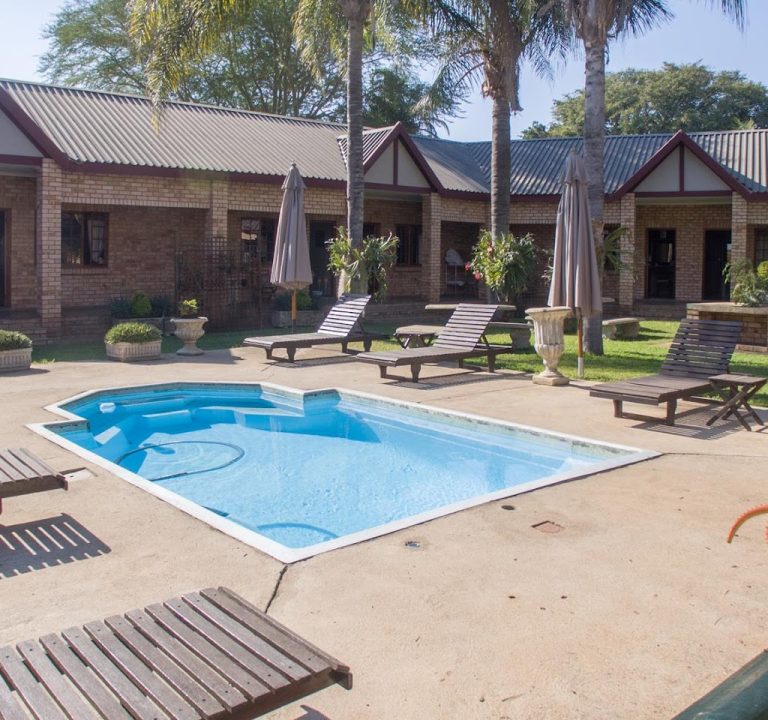
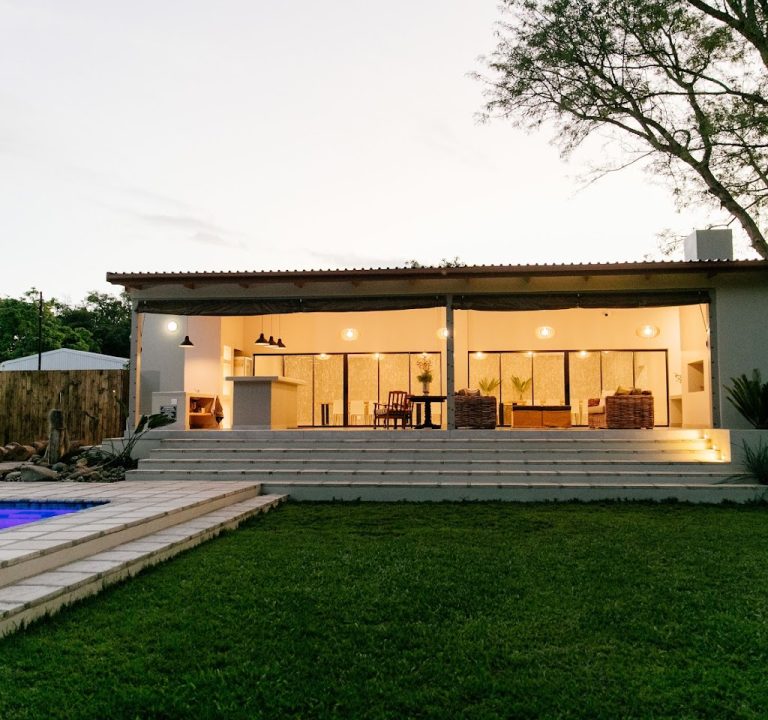
Accommodation in and around Pongola ranges from intimate guest houses to small lodges and farm stays. Many properties take advantage of the region’s natural beauty, with verandas, shaded gardens and dotted birdlife providing instant ambience. When choosing a place to stay, consider how you plan to spend your days. If you intend long day trips, a central location in or near Pongola town can cut travel time. If you prefer quiet, countryside views and direct access to outdoor activities, a lodge or guest house on a farm or along the river may suit you better.
Typical amenities to look for include private en-suite bathrooms, reliable Wi‑Fi, secure parking, and options for self‑catering or breakfast. For outings, ask about guided activities or transfer arrangements; some properties can arrange gentle game‑watching walks, boat trips on nearby waters, or cultural tours. If you travel by car, confirm straightforward parking and easy road access; if you’re arriving by bus or organised tour, check whether the property offers a transfer service or has a convenient pickup point.
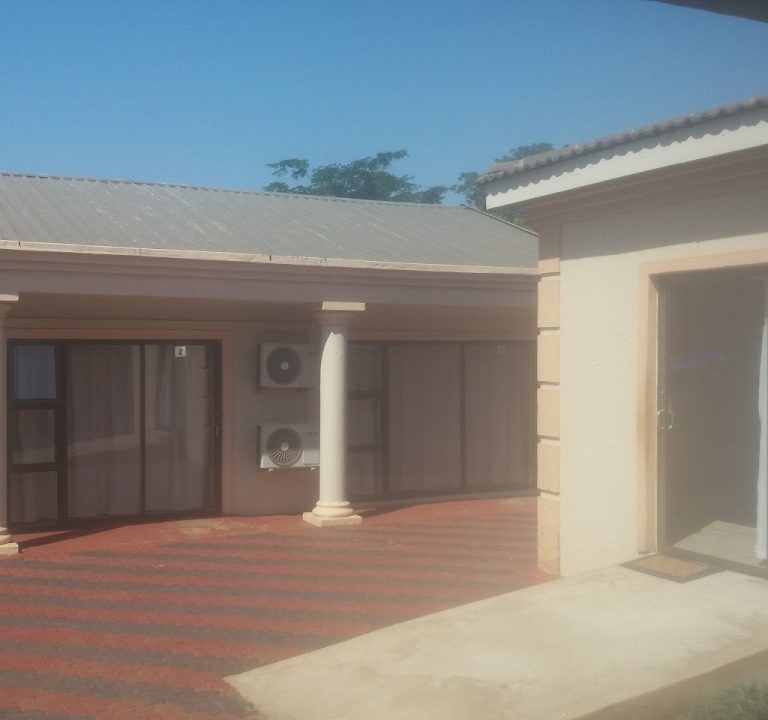
The suggested places to consider include guest houses and small hotels that prioritise friendly, local hospitality. Aber Jetz Guest House, for instance, represents the kind of boutique-style option often found in the area—compact, comfortable, and well placed for exploring the local countryside and surrounding attractions. While specific amenities and services can vary, many guest houses in Pongola strive to offer warm hospitality, clean rooms, and a helpful staff ready to share local tips.
Transport in this region is generally best handled by private car or hire car, especially if you want to explore beyond the town and reach riverine or nature‑reserve landscapes. The main routes are typically well maintained, with road signs and rural scenery along the way. If you are not driving, look into the availability of local transfer services or an organised day trip that includes transport. Given the area’s layout, having your own wheels often makes it easier to manage flexible day plans and sunset views by the river or surrounding hills.
The best time to visit Pongola depends on what you want from your stay. The winter months (May to August) bring cooler, comfortable days that are ideal for game viewing and long drives. Summer (November to February) can be warm and humid, sometimes with late‑afternoon showers that refresh the landscapes but may affect outdoor plans. The shoulder seasons can offer a balance of pleasant weather and quieter sites, with fewer crowds and lower rates than peak periods. If you are birdwatching or seeking lush greenery, the rainy season can be rewarding, but be prepared for occasional challenging road conditions after heavy storms.
Practical planning tips to keep in mind:
- Book accommodation with clear details about parking, room configuration, and what meals are included.
- Ask about accessibility and suitability for your needs, especially if you’re travelling with children or mobility considerations.
- Confirm what activities are available on site or nearby, such as guided walks, river outings, or cultural experiences, and whether these require separate fees.
- Plan your dining options ahead of time; some guest houses offer breakfast or dinner, while others point you to nearby eateries in Pongola town or villages.
- Check the distance to the attractions you want to visit and anticipate travel times, especially if you aim to catch sunset views or early morning safaris.
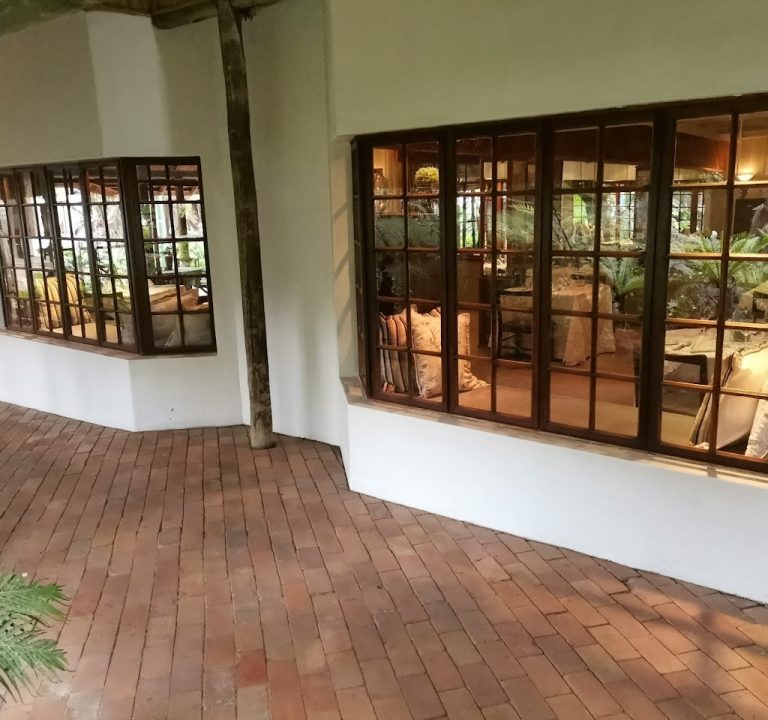
Attractions and activities in and around Pongola tend to focus on nature, riverside scenery, and rural culture. Expect opportunities for birding, tranquil walks along watercourses, and scenic drives that reveal the rolling landscapes of KwaZulu‑Natal. Dining in the area is typically straightforward and hearty, with local favourites reflecting the agricultural and cultural mix of the region. While exact names, prices, and awards are not prescribed here, you can expect hotels, guest houses, and local restaurants to offer simple, well‑executed meals made with seasonal ingredients and serves that emphasise a welcoming, uncomplicated South African hospitality ethos.
When planning a stay, consider a few practical tips for a smoother visit. Pack layers for variable weather, bring a lightweight rain jacket if you’re visiting in the warmer months, and keep a small bottle of water handy for long daytime drives. If you are organising a multi‑stop itinerary, allow buffer time for road conditions and potential delays in rural routes. Most importantly, choose accommodation that aligns with your pace—whether you want a restful base with minimal distractions or a more active regime of small‑group tours and guided excursions.