Accommodation and Experiences in Gqeberha, Eastern Cape: Where to Stay and What to Do
Gqeberha, formerly known as Port Elizabeth, is a coastal city that blends wide beaches, grassy suburbs and a vibrant city centre. Whether you’re seeking a boutique lodge, a family-friendly guesthouse, or a contemporary hotel with a sea view, the area offers lodging to suit a range of budgets and travel styles. Plan your stay around the practical details—neighbourhoods, transport, amenities, and seasonal considerations—so you can make the most of your time in this stretch of the Eastern Cape.
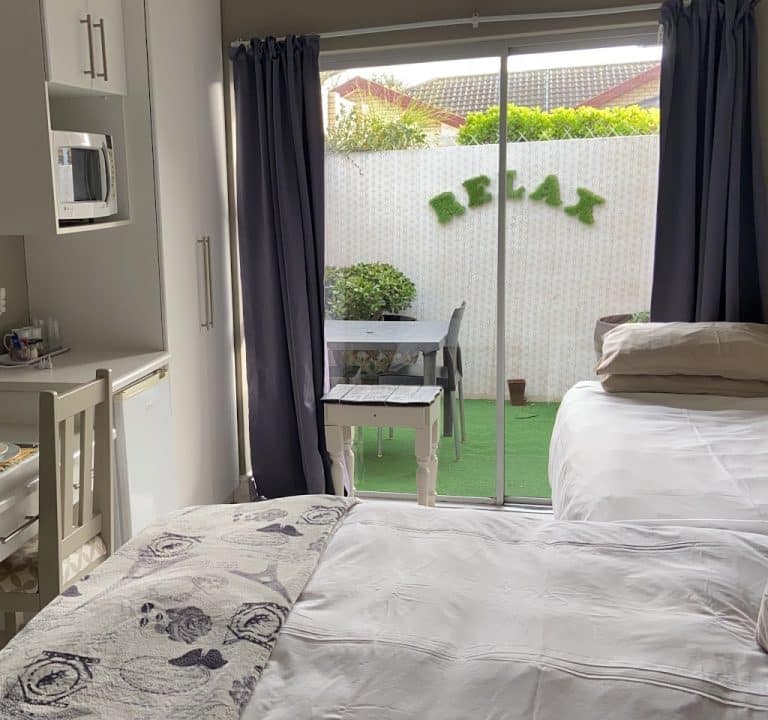
When choosing accommodation, consider your priorities. If you want easy access to sun-soaked beaches, look for properties near the Summerstrand or Humewood areas, where there are promenades, turtle-friendly bays and a relaxed pace. For a city-centric stay with convenient dining and nightlife, the urban perimeter around the central business district or the suburbs adjacent to the river alternatives can be ideal. If you’re bringing family, a guesthouse or lodge with suite configurations, self-catering facilities and a safe neighbourhood can simplify logistics. An example lodging option is a guesthouse commonly listed in Port Elizabeth’s coastal belt, such as Abbys Guesthouse, which can offer homely rooms and breakfast services in a convenient location—often a short drive to beaches and attractions. Always check recent guest reviews to gauge cleanliness, staff attentiveness, and security.
Typical amenities you’ll encounter include free Wi‑Fi, private bathrooms, and daily housekeeping. Many lodgings provide breakfast options, with some offering a light self-catering setup or a restaurant on site. Secure on-site parking is a valuable feature, particularly if you plan to hire a car to explore the surrounding scenery. If you rely on public transport or rideshare apps, confirm proximity to main bus routes or taxi stands and whether the property offers shuttle services or local knowledge for day trips. Accessibility is also worth confirming if you’re travelling with mobility needs, as room layouts and entry access can vary between properties.
Transport in and around Gqeberha is straightforward for most visitors. A car allows you to reach the pristine beaches, nature reserves and inland escarpments at your own pace, and it also makes day trips feasible. For shorter distances, Uber or local taxi services are commonly available. If you plan to visit the city’s major attractions, check whether your accommodation can assist with practical tips on parking or safe walking routes, especially in the evenings. In some areas, resort-style lodges or guesthouses may offer a tranquil base with easy access to scenic coastal drives and nature trails.
The best time to visit Gqeberha largely follows normal South African coastal patterns. The summer months (roughly November to March) are warm and bright, with comfortable sea temperatures for beaches and water-based activities. Winter (May to August) brings cooler weather and can be less crowded, which some travellers prefer for lower rates and quiet scenic experiences. For wildlife excursions, plan a short trip to nearby parks or game reserves outside the city where day drives can be combined with a relaxing stay in town. Remember that February to April often brings a mix of warm days and occasional showers, while spring offers a fresh, green landscape after winter.
Planning your stay should also cover dining and local flavour. While Gqeberha has a variety of restaurants—from informal cafés by the beach to more refined dining rooms—plan for a balanced itinerary that includes quick meals and a few standout experiences. Ask your host or hotel front desk for practical recommendations on where to enjoy seafood, contemporary South African cuisine, or traditional meals in safe, well-lit areas. For special occasions, many establishments offer tasting menus or seasonal menus that highlight regional ingredients, so it’s worth reserving ahead in peak season.
Attractions in general terms include broad sandy beaches with views of the coastline, seaside promenades for long strolls, and museums or cultural centres that illuminate local history. Parks and coastal reserves nearby provide opportunities for birdwatching, hiking, and sunset photography. If you’re planning a day trip, consider combining a coastal drive with a stop at a local market or craft stalls to sample regional produce and handmade goods. Visitors often enjoy a balance of sun-soaked downtime and cultural exploration, with the convenience of a central base from which to venture out each day.
To make the most of your stay, create a lightweight itinerary that allows for both planned activities and spontaneous discoveries. Confirm check-in times and any self-check-in options if travelling outside standard hours. Pack practical items for coastal weather—sun protection, light layers for cooler evenings, and a compact water bottle for day trips. Finally, keep a note of the basics: how to reach main beaches, the nearest supermarket or convenience store, and emergency contact details provided by your accommodation. With a well-chosen base in Gqeberha and a flexible plan, you’ll enjoy a balanced, traveller-friendly visit to the Eastern Cape.
- Consider staying in the coastal belt for beach access and promenade walks.
- Look for lodging with secure parking and walkable access to dining options.
- Ask about breakfast options and late check-in arrangements if you expect irregular travel times.