Exploring Swellendam: Where to stay, what to do, and how to plan your visit
Swellendam sits at the gateway to the Overberg, a historic town surrounded by rolling farmlands, rugged mountain views and winding routes that invite relaxed exploration. When planning a stay here, think about a mix of authentic accommodation, easy access to the town centre, and proximity to natural and cultural attractions. The town’s compact size makes it ideal for a countryside break with a few treated meals and plenty of fresh air.
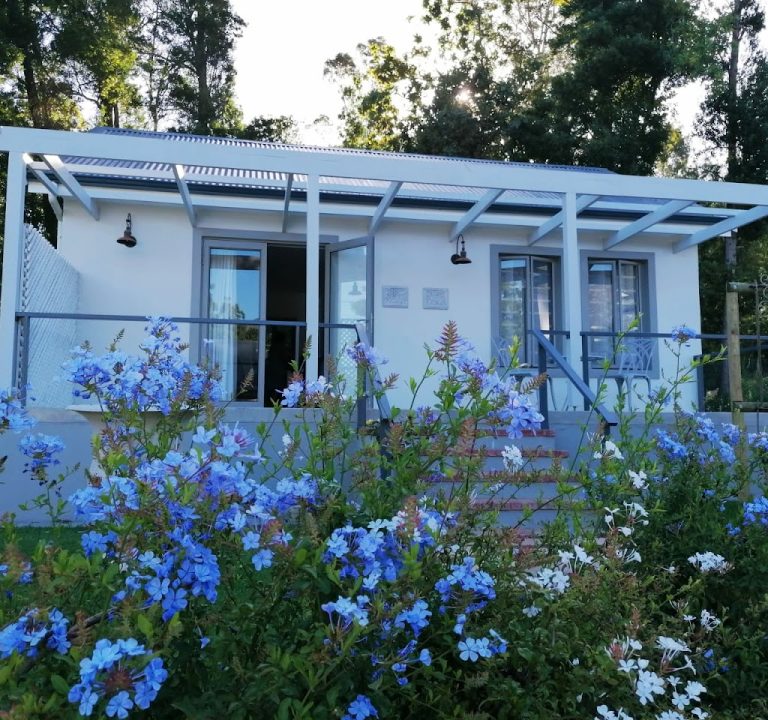
Accommodation in Swellendam ranges from intimate guest houses to small boutique hotels and self-catering options. One well-regarded example is Aanhuizen Guest House, a charming guest house offering a comfortable base from which to explore the region. Their exterior and interior balance traditional South African hospitality with contemporary comforts, and the on-site character of such properties often translates into thoughtful touches that make a stay more memorable. When browsing options, pay attention to whether the property offers private entrances or garden access, secure parking, and whether breakfast is included or available as an add-on. A good guest house will typically provide warm, personal service, helpful local recommendations, and a sense of the town’s laid-back pace.
Consider the geography of your stay. The town centre is convenient for dining, artisan shops, and the historic Dutch Reformed church. If you prefer easy access to nature trails and viewpoints, look for lodges or guest houses situated on the outskirts or with views towards the Langeberg mountains. Some visitors opt for self-catering cottages within short drives of the town, which can be convenient for families or groups wanting flexible mealtimes while still being close to Swellendam’s cafes and markets.
Typical amenities to expect include free Wi‑Fi, private or en-suite bathrooms, tea and coffee provisions, and room where possible with a small seating area. Many places present stylish furnishings that reflect local character, with attention to comfortable beds and quiet rooms for a restful night after a day of exploring. If a television, a kitchenette, or a sunny veranda appeals to you, check these in advance. Depending on the season, an outdoor seating area, a swimming pool, or a garden could be a welcome perk, especially during warmer months.
Booking tips to keep in mind:
- Book early for peak periods such as school holidays and long weekends, as Swellendam’s popularity grows among travellers seeking a peaceful escape.
- Read recent guest reviews to gauge consistency in hospitality and cleanliness, rather than relying solely on star ratings.
- Confirm what meals are included and whether there are options for dietary needs or a lighter breakfast during early departures.
- Check cancellation policies and whether fees apply for changes close to your arrival date.
- Ask about private parking, pet policies (if relevant), and access arrangements for late arrivals.
Getting around Swellendam is straightforward. The town is compact enough to explore on foot, with most amenities within a short stroll of the central streets. If you are driving, confirm parking arrangements and whether the property offers on-site or secure off-street parking. A car becomes particularly useful if you plan day trips to the surrounding farms, nature reserves, or the coastline further afield in the Overberg. Local taxis and rideshare options are limited in some rural areas, so having your own transport helps with flexibility.
The best time to visit Swellendam depends on what you are seeking. Spring and autumn offer mild temperatures and clear skies, ideal for outdoor activities such as hiking, biking, and visiting nearby nature reserves. Summer brings longer daylight and the possibility of market days and outdoor dining, while winter can be quieter but pleasantly cool for museum visits and wine-tasting trips in the surrounding area. If you are exploring with children, plan low-stress days with time for playgrounds and short trails, followed by relaxed meals in town.
When planning your activities, balance cultural experiences with outdoor pursuits. Swellendam is a good base for exploring the Cape Fold highlands and the Marloth Nature Reserve, as well as nearby farms and wetlands. Within the town, you can expect a wholesome mix of culinary offerings, galleries, and traditional craft shops. Restaurants in the area tend to focus on seasonal ingredients and regional flavours, offering a range of casual and more refined dining experiences. It’s sensible to check opening hours in advance, particularly for off-season visits, and to make reservations on weekends or during busy periods.
Practical tips for a smooth stay:
- Pack layers to cope with variable weather, especially if you plan outdoor activities in the mornings or evenings.
- Bring comfortable walking shoes for uneven pavements in historic streets and scenic trails nearby.
- Bring a reusable water bottle; tap water in South Africa is drinkable in most towns, including Swellendam, but confirm locally if you have concerns.
- Respect local wildlife and farm privacy when venturing into the surrounding countryside, keeping noise to a minimum at dusk and dawn.
- Check the property’s policy on candles or open flames if you rely on heating or cooking during cooler months.
For planning your visit, a quick online check of accommodation options, such as Aanhuizen Guest House, can give you a sense of room configurations, photos, maps, and availability. Pair this with a short list of likely day trips—for example, a casual morning in the town centre, a countryside drive, and a scenic walk in a nearby reserve—and you’ll have a balanced itinerary that captures Swellendam’s charm. With thoughtful accommodation, straightforward transport options, and a relaxed pace, Swellendam is well suited to a restorative South African break.