Durban: where to stay, eat and explore in KwaZulu-Natal
Durban blends subtropical beaches with rich cultural heritage, making it a rewarding base for a stay in KwaZulu-Natal. When planning accommodation, consider the range of neighbourhoods that offer different vibes—from beachfront access with easy sea views to leafy residential areas that feel calm after a busy day of sightseeing. Durban also serves as a practical launchpad for day trips to the Valley of a Thousand Hills, the Midlands, and neighbouring seaside towns, so choosing a well-connected location can maximise your time on holiday.
Areas to consider
- Durban Central and the Golden Mile: central convenient access to beaches, markets, and a strollable promenade. Good for first-time visitors who want to be close to sights and eateries.
- Umhlanga and Umhlanga Rocks: a modern coastal hub with upscale hotels, safe beaches, and relaxed dining. A popular choice for families and travellers seeking a polished atmosphere.
- Morningside and Ballito corridors: leafy streets, boutique guesthouses, and easy road connections to attractions while staying slightly away from the busiest beachfront.
- South Coast and Bluff: quieter beaches, longer beach days, and a slower pace—often more affordable options with good-value stays.
What to look for when booking
- Accessibility to the city’s sights and transport links (rental car availability, taxi or rideshare options, and proximity to major routes).
- Room configurations and privacy, especially for families or groups. Many places offer suites, kitchenettes, or easy access to communal spaces.
- Amenities that ease travel: reliable Wi‑Fi, secure parking, laundry facilities, and on-site dining or easy access to nearby eateries.
- Safety features and neighbourhood character. Read recent guest reviews for information on security, lighting, and convenience of local services.
- Proximity to beaches and parks, plus shade and sun protection for day trips along the coast.
Typical amenities and practical tips
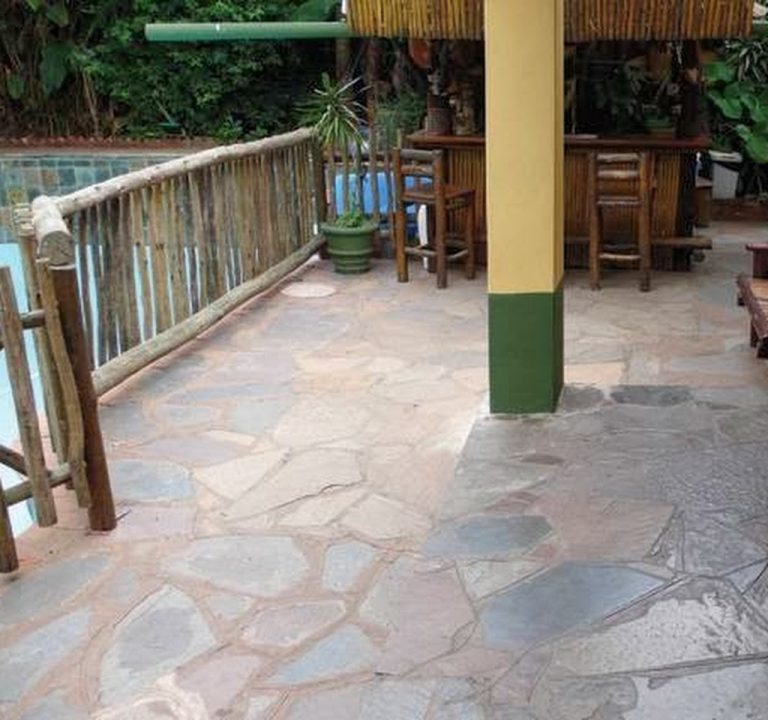
Durban’s hospitality sector spans stylish hotels, guesthouses, and B&Bs with a focus on comfort and convenience. Common amenities include air‑conditioning or fans for the subtropical climate, complimentary breakfast options, and flexible reception hours to accommodate travel plans. Many properties offer secure on-site parking, pool facilities, and lounge areas that are ideal for unwinding after a day on the beach or exploring the city.
Transport and getting about
Durban’s transport network makes it feasible to stay in a quieter neighbourhood while still reaching peak attractions. If you plan to sample the culinary scene or venture beyond the immediate coast, a rental car provides the most flexibility. Taxis and rideshare services are readily available in most parts of the city, including near popular beaches and shopping districts. For shorter hops, consider a coastal walk along the promenade where conditions are ideal for a relaxed day out.
Best time to visit
Durban enjoys a warm subtropical climate with hot summers and mild winters. The most temperate period for outdoor activities is generally late autumn to early spring (April to September), when rainfall is lower and sea conditions are favourable for swimming and water sports. If you are keen on outdoor markets, festivals, or nearby day trips, planning ahead for these seasons can help you align your stay with local events and pleasant weather.
What to expect from experiences and attractions
Inside Durban’s metropolitan heart you’ll find a mix of family-friendly beaches, dynamic markets, and cultural hubs that celebrate KwaZulu-Natal’s diverse heritage. While I won’t list specific prices or awards, look for experiences that offer a blend of history, nature, and local flavour. Expect waterfront strolls, opportunities to learn about Zulu culture, and convenient access to coastal parks and modern leisure facilities. For a relaxed rhythm, evenings spent along the coast can include casual dining, street music, and sunset views over the Indian Ocean.
Eating out and culinary variety
Durban’s dining scene reflects its multicultural fabric, with options ranging from traditional isiZulu-inspired dishes to contemporary restaurants and fresh seafood cafés. When booking a stay, you may choose accommodation with on-site dining or easy access to nearby eateries that showcase coastal cuisine and global flavours. Planning a couple of evening meals out can be a highlight, and many neighbourhoods offer vibrant markets, casual cafés, and family-friendly venues.
Featured accommodation option: A2B LODGE
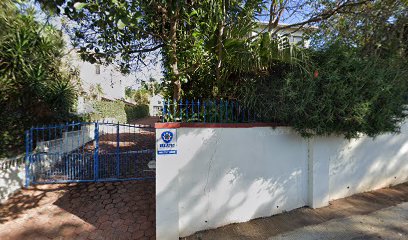
Regardless of your choice of neighbourhood, a well‑located hotel or guesthouse can serve as an excellent home base. A2B LODGE exemplifies a hotel setting that prioritises guest comfort, convenient access to the coast, and proximity to central sights, making it a sensible reference point for comparisons as you plan your Durban stay. Always review recent guest feedback to gauge cleanliness, service, and overall value for your dates.
Practical planning tips
- Book a flexible rate when possible to adjust plans for weather or personal interests.
- Check parking arrangements if you plan to hire a car.
- Ask about near-by public transport options or shuttle services to major attractions.
- Pack sun protection, light layers for cooler evenings, and comfortable footwear for walks along the promenade.
- Review cancellation policies ahead of time, especially during peak travel periods.
Durban is a dynamic gateway to KwaZulu-Natal’s coast and countryside. With careful planning around a well‑located base, you’ll enjoy easy access to sunlit beaches, vibrant markets, and a spectrum of dining experiences that celebrate the city’s rich and welcoming hospitality.