Accommodation and essential tips for enjoying Cape Town, Western Cape
Cape Town offers a diverse range of stays to suit every traveller, from energetic backpacker hostels to stylish boutique hotels and self-contained apartments with stunning views. When planning a visit, consider how your accommodation will influence your days, especially if you want to maximise time exploring iconic scenery, vibrant neighbourhoods, and convenient transport links. Start by mapping out a few core areas that align with your interests and typical daily rhythms.
One of the primary considerations is location. The city is spread over a broad harbour, with Table Mountain as a dramatic backdrop. Whether you prioritise proximity to the city centre for a bustling urban atmosphere, or you prefer calmer coastal neighbourhoods with easy access to beaches, fibre-fast wifi, or on-site kitchens, there are distinct advantages to different districts. The Atlantic Seaboard offers dramatic ocean views and easy beach access, while the central business district and adjacent neighbourhoods provide quick connections to museums, markets, and eateries. Suburban areas and the southern suburbs can offer a quieter tempo, with easy access to winelands or nature reserves via longer day trips.
Typical amenities to look for include free or affordable breakfast, secure parking or recommendations for reliable transport, on-site or nearby dining options, and reasonable access to public transport such as buses, trains, or ride-share hubs. For many visitors, a hostel with communal areas, communal kitchens, and social programmes can be an ideal base for meeting fellow travellers, while a guesthouse or boutique hotel may offer more privacy, personalised service, and in-room amenities such as a kettle, a safe, and reliable air conditioning or heating. If you are travelling with family or a group, a self-catering option or a suite with multiple beds can be a practical choice to balance comfort and budget.
Transport in Cape Town is relatively straightforward but varies by area. If you’re staying near the city centre or the V&A Waterfront, you’ll benefit from walkable precincts and plentiful food and drink options. For longer journeys, consider using reputable ride-hailing apps or secure parking if you drive a rental. Some districts offer frequent local buses or hop-on-hop-off tours that can help you cover the city’s major sights with ease. If you plan mountain excursions, take note that the weather can shift rapidly; packing a light waterproof layer and sensible footwear makes trips to Table Mountain or surrounding trails more comfortable.
The best time to visit depends on your priorities. Cape Town has a Mediterranean climate, with warm, dry summers and cooler, wetter winters. Summer (December to February) brings long days, excellent visibility for beaches and outdoor activities, and a lively dining scene, though it can be busier. Autumn (March to May) and spring (September to November) offer pleasant weather with fewer crowds, which can be ideal for hiking and sightseeing. Winter (June to August) can be cooler and wetter, but it is also when you’ll find fewer tourists and luxuriant indoor experiences, plus opportunities to enjoy wine regions nearby with smaller crowds. Pack layers and be prepared for varying conditions, especially if you plan outdoor adventures.
When it comes to planning an itinerary, balance your days between natural wonders and urban highlights. Iconic viewpoints, rugged coastlines, and panoramic drives are complemented by markets, galleries, and historic sites. You might structure days around a few anchor experiences—for example, mornings spent exploring the slopes of a famous landmark or scenic drive, followed by afternoons visiting local eateries, coffee shops, and markets. If you enjoy seafood, coastal towns and harbour areas often feature casual dining with fresh catches and excellent side dishes, while neighbourhoods known for craft markets can be ideal for handmade gifts and locally produced goods. Though exact restaurant names and prices vary, you can expect a range from casual cafes to more refined dining spaces that celebrate regional ingredients and flavours.
Here are some practical tips to help you optimise your stay in Cape Town:
- Book accommodation with clear information about check-in times, secure access, and nearby transport options.
- Choose a base with a short walk or ride to public transport if you want to reduce daily travel time.
- Consider a mix of accommodation types if you’re staying for an extended period—perhaps a hostel for social chances and a private room or apartment for rest and privacy.
- Prepare for changeable weather by packing versatile clothing suitable for both sunny days and cooler evenings near the coast and mountain areas.
- Respect local safety guidelines, especially in busy urban areas, and seek advice from hosts or front desk staff about safe routes and tipping norms.
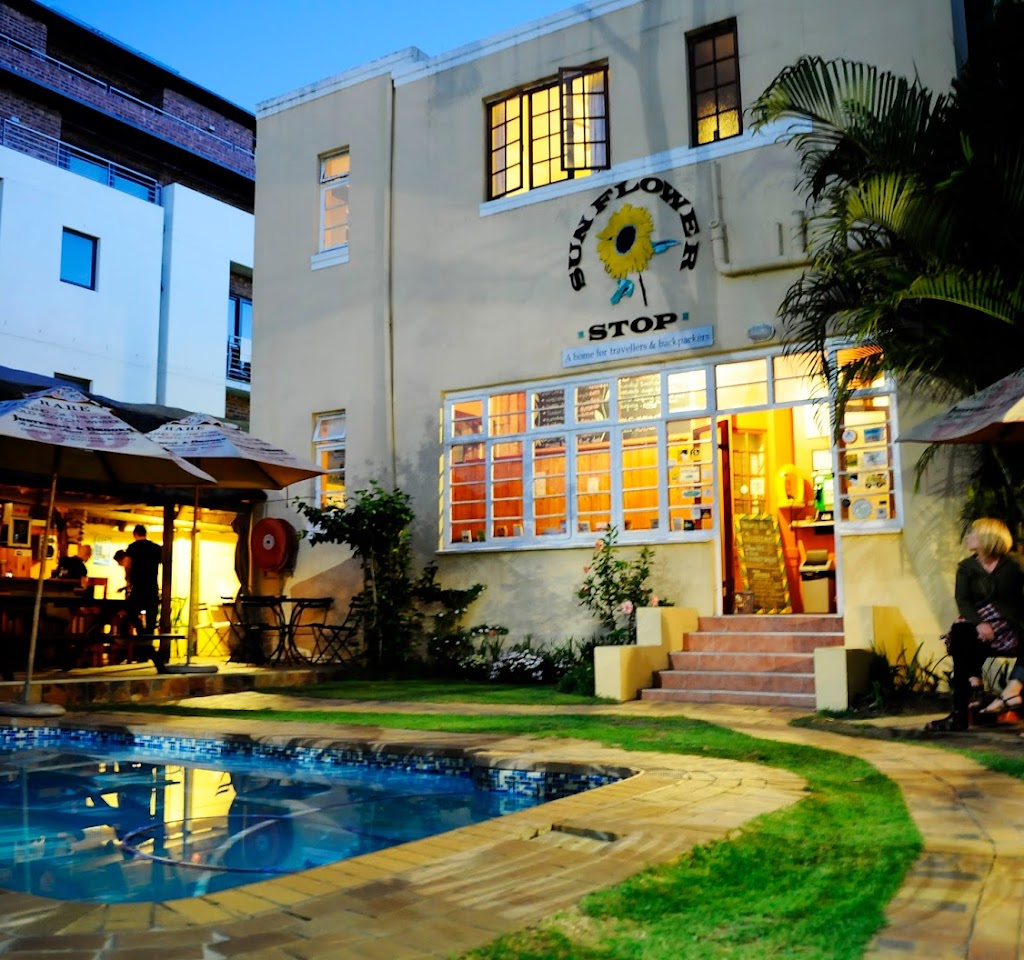
As you plan, you might want to browse options such as the following type of stays: a well-located hostel with a communal kitchen to meet fellow travellers, a guesthouse with complimentary breakfast and helpful local guides, or a boutique hotel offering comfortable rooms and personalised service. An example of a well-reviewed option you may encounter online is a backpackers’ hostel with strong community vibes and easy access to transport links; you can learn more about such establishments by visiting their official website or trusted travel platforms. For travellers seeking a traveller-friendly base in Cape Town, consider exploring the option of A Sunflower Stop Backpackers, which provides a practical and sociable environment for exploring the city. More information can be found at the venue’s website: http://www.sunflowerstop.co.za/.
By planning thoughtfully, you can focus your Cape Town stay on experiences that suit your pace—whether you crave dramatic scenery, bustling markets, or quiet coastal walks—while enjoying comfortable, well-located accommodation that enhances every day of your trip.