Freeland Park, KwaZulu-Natal: accommodation planning, nearby attractions and dining tips
Freeland Park sits along theKwaZulu-Natal Dolphin Coast, within easy reach of Ballito and the broader North Coast region. It’s a convenient base for travellers who want a relaxed beach feel with convenient access to shops, restaurants and nature experiences. When planning a stay in Freeland Park, you’ll find a mix of guesthouses, self‑catering units and boutique hotels, many within a short stroll or a quick drive to sandy beaches and coastal viewpoints. The area often attracts visitors who value a quieter neighbourhood atmosphere while remaining close to the buzz of the popular coastal towns.
Where to stay largely depends on how you prefer to move around. If you plan long beach days and easy street-level exploration, look for accommodation in the central Freeland Park area or nearby Ballito, Salt Rock and the Dolphin Coast corridor. If you’re after a more secluded backdrop, consider properties set back from the main coastal road with a garden or hillside outlook. Booking early, especially for peak holiday periods, helps secure places with the best combination of location, amenities and price. When choosing, consider proximity to the beach, ease of parking, and whether the property offers self‑catering facilities or a continental breakfast option to suit your rhythm.
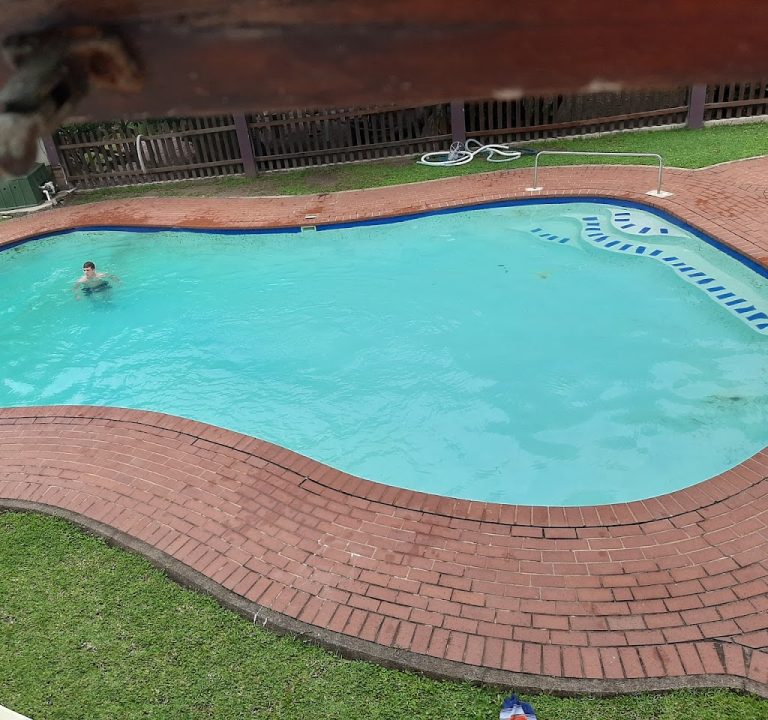
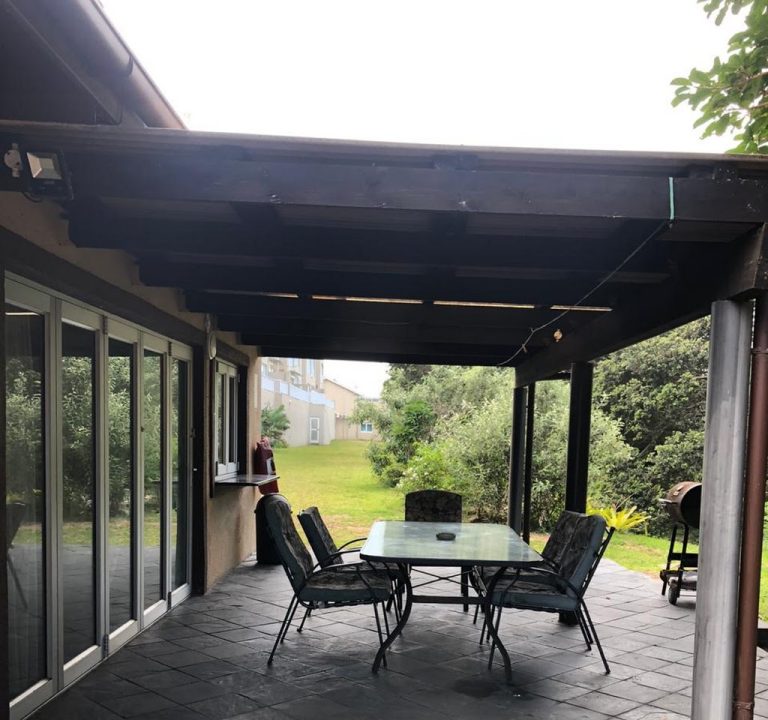
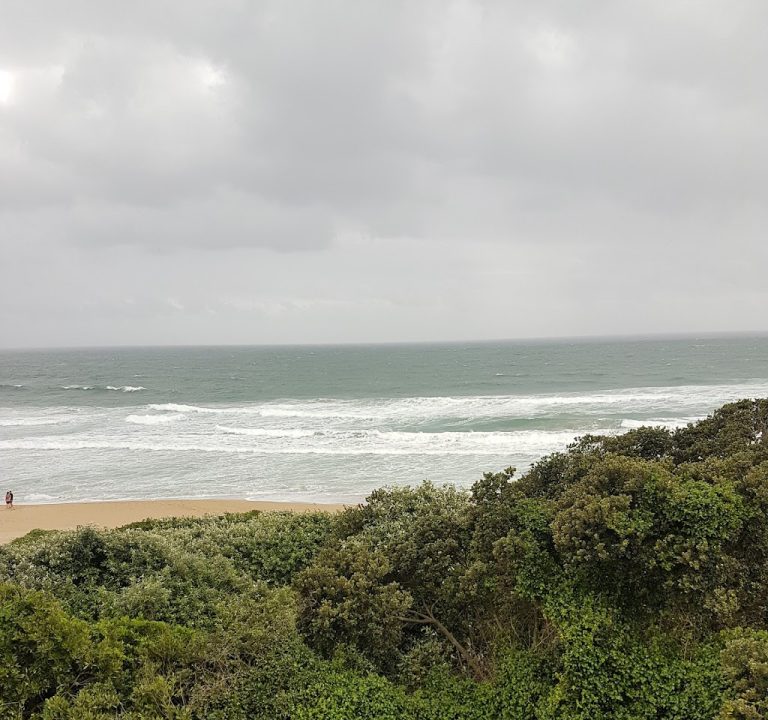
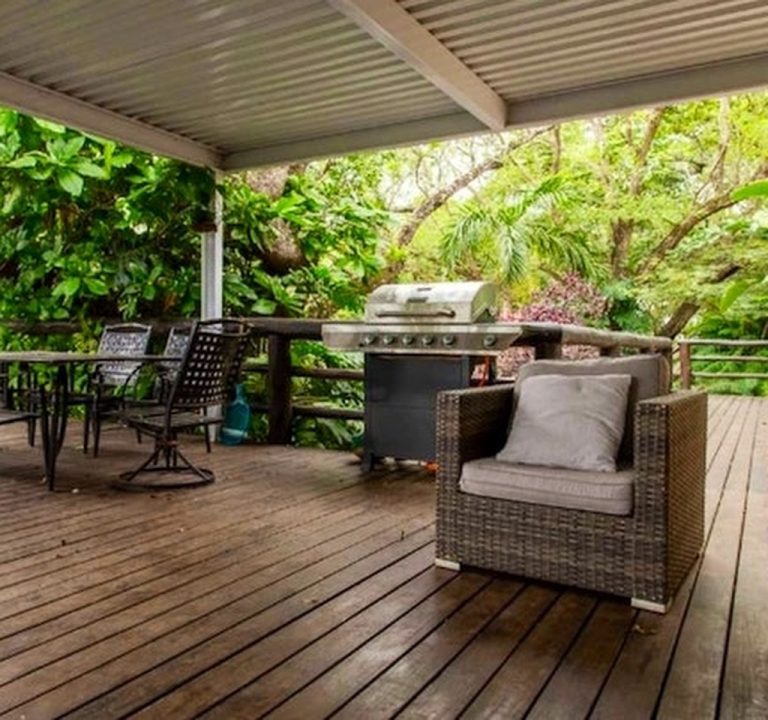
Typical amenities in Freeland Park and nearby options often include well‑equipped kitchens or kitchenettes, comfortable living spaces, secure parking, climate control for Durban’s humid summers, and reliable Wi‑Fi. Some properties may feature communal pools, braai (barbecue) areas, or outdoor spaces with views of the surrounding hills or sea glimpses. For families or groups, multi‑bedroom units or interconnecting rooms can provide practical space without sacrificing privacy. If you value eco or wellness vibes, look for smaller guesthouses that prioritise sustainable practices or tranquil garden settings. Always confirm whether housekeeping schedules, linen changes and on‑site staff are available, as these can vary between properties and seasons.
Booking tips to help you secure a comfortable stay:
- Check the distance to the beach and accessing public or private pathways. If you’re travelling with children or mobility needs, proximity to gentle beach entries can be a big plus.
- Examine what’s included in the rate—whether towels, beach umbrellas, and basic household supplies are provided can save time and money.
- Read cancellation policies carefully, especially for peak periods when plans may change.
- Ask about parking arrangements and vehicle access if you’re driving; some properties offer guarded parking or private garages.
- Confirm Wi‑Fi reliability and the availability of work or study spaces if you’ll need to catch up on tasks during your stay.
Transport in and around Freeland Park is straightforward for most visitors. A car is by far the most convenient option for exploring beyond the immediate area, giving you flexibility to visit beaches, coastal reserves, and nearby towns at your own pace. If you’re not driving, several local operators offer taxi and ride‑hailing services, and some accommodations can assist with transfers from the nearest major transport hubs. Should you choose a more mobile break, a short drive will connect you to broader routes along the coast, with scenic stretches and plenty of coffee stops or casual eateries along the way.
The best time to visit Freeland Park aligns with the KwaZulu‑Natal climate: warm, sunny summers and mild winters. Peak beach season runs from December through February when sea temperatures are inviting and days are long. If you prefer quieter periods with fewer crowds, the shoulder seasons of spring and autumn offer pleasant weather for outdoor activities, long walks, and coastal hikes. Keep in mind that the summer months can bring humidity and the possibility of summer storms; planning flexible activities and packing light, breathable clothing helps. For water‑based outings, check local conditions and safety guidelines, particularly during stormier spells.
What to do during a stay beyond the beach? The Dolphin Coast region offers nature‑driven experiences such as coastal walks, nature reserves, and birdwatching opportunities. Outdoor enthusiasts can explore scenic viewpoints, tide pools at low tide, and forested trails nearby. For those who enjoy a gentle dose of culture and shopping, Ballito and surrounding towns provide casual dining, farmers’ markets, and boutique stores with local crafts. Dining out is typically informal and family‑friendly, with a range of casual pizzerias, seafood eateries and cafés within easy reach. When planning meals, you’ll often find guesthouses and self‑catering options allow you to mix home‑cooked evenings with leisurely dinners out at nearby restaurants, balancing convenience with local flavours.
Practical considerations for a smooth visit include observing local safety guidelines on the beaches, carrying cash and a credit card as some smaller venues operate on a pay‑as‑you‑go basis, and planning a backup plan for days when beach conditions aren’t ideal. If you’re travelling with children or elderly guests, consider a base with easy access to shaded outdoor spaces and nearby shops for essentials. Most accommodation providers in Freeland Park will offer helpful local knowledge on nearby beaches, nature trails and family‑friendly activities, as well as recommendations for reputable eateries that capture the casual beauty of the KwaZulu‑Natal coast. With thoughtful planning, a stay in Freeland Park can combine a restorative seaside retreat with the simple pleasures of South Africa’s Dolphin Coast.