Staying in Dullstroom: accommodation, attractions and planning tips
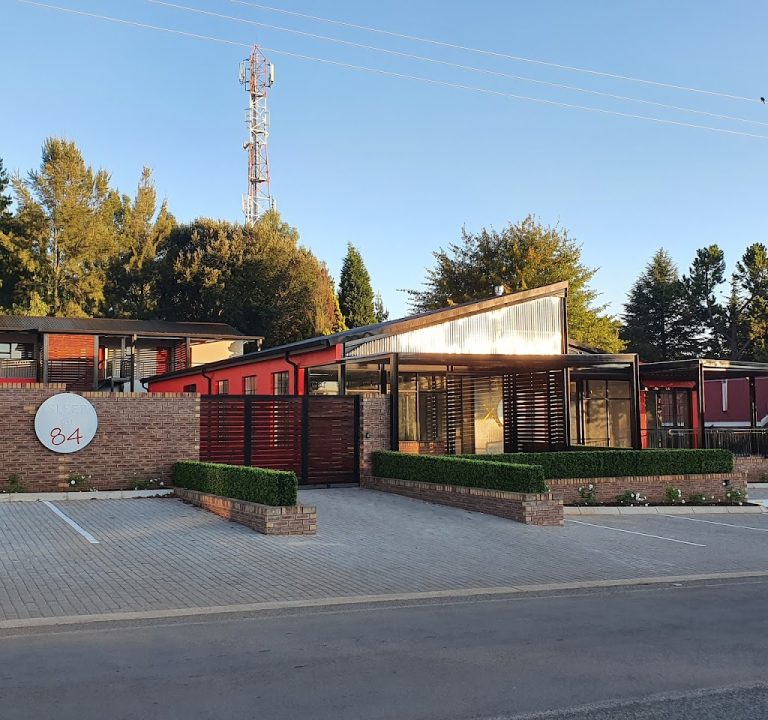
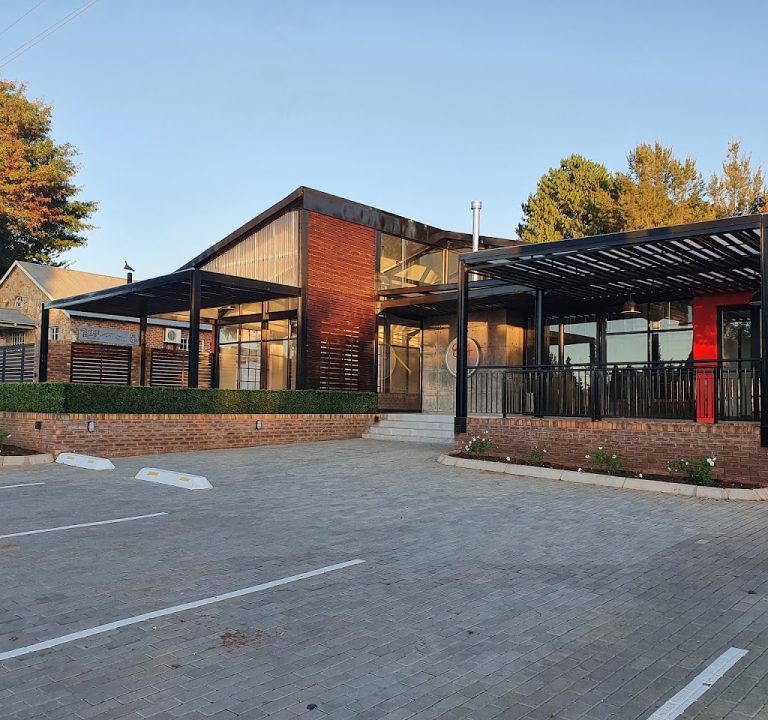
Dullstroom in Mpumalanga is famed for its serene landscapes, microclimate and village atmosphere, making it a popular base for a relaxed countryside break. When planning a stay, think about whether you want to be in the heart of the village with easy access to shops and eateries, or in a quieter rural setting where the focus is on nature and tranquillity. The area offers a range of accommodation styles, from boutique lodges and guesthouses to self‑catering cottages and country inns. One well‑established lodge in the area is 84 on Main Dullstroom, which typifies the kind of comfortable, characterful option many visitors seek, with a cosy atmosphere and convenient proximity to local attractions.
For those arriving in winter, autumn or spring, Dullstroom’s weather can influence what you pack and how you plan daily activities. The region tends to be cooler and occasionally misty, with crisp mornings that are perfect for early riser walks or coffee on a verandah. In summer, you may enjoy longer daylight hours and a gentle breeze, with the possibility of afternoon showers. Regardless of season, the village offers a pleasant base for exploring nearby nature reserves, trout streams and scenic walks, while many lodges and guesthouses provide fireplaces or heatable spaces to unwind after a day outdoors.
Areas to consider when choosing accommodation include:
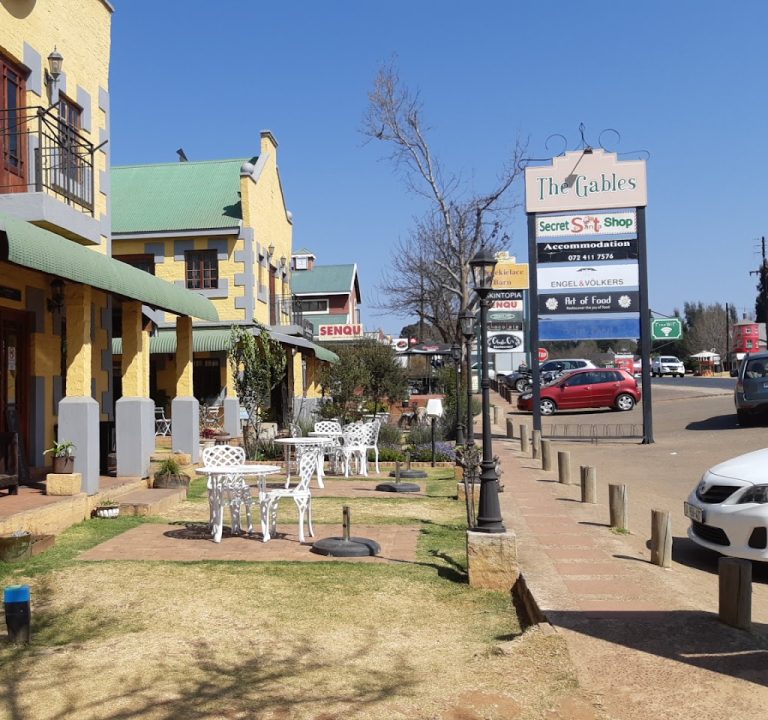
- Central village locations, where you can stroll to cafés, bars and shops and enjoy a compact, walkable feel.
- Rural or hillside settings just outside the village, offering more privacy, expansive views and direct access to walking trails or nature reserves.
- Lodges and boutique estates that provide on‑site facilities such as game viewing, forestry walks, or fishing access.
When booking, look for features that match your plans. Practical points to confirm include adequate parking, reliable heating or hot water, Wi‑Fi if you need it, and clear policy on check‑in times, housekeeping, and breakfast options. If you are travelling with children, check whether there are family‑friendly rooms or suites, and whether the property offers suitable outdoor spaces or safe play areas. For those seeking a restful break, a property with quiet zones, a cosy lounge or a log fire can be a real value add. If you rely on accessibility features, confirm room configurations and entry routes before you arrive. And if you have a specific dietary requirement, see whether breakfast and meal options can be tailored or whether self‑catering arrangements exist nearby.
Transport in Dullstroom is typically car‑centric. The village is well connected by road from larger towns, and owning or hiring a vehicle provides the most flexibility for exploring beyond the immediate town centre. If you plan to visit specific attractions, check the travel time and whether tours or shuttle options are available from your chosen base. Some properties offer guidance or staff with local knowledge who can point you towards scenic drives, nature walks and fishing spots. Remember that rural roads can be winding and weather‑dependent, so allow extra time for journeys, especially in the wet season.
Best time to visit Dullstroom varies with what you seek. For birdwatchers and anglers, spring and autumn bring pleasant conditions and active wildlife. The area is known for its trout streams and nearby nature reserves, which are particularly appealing in mild, drier spells. In peak tourist months, the village can be busier, so a central or well‑located accommodation may help minimise daily travel. Off‑season visits offer a quieter experience and a chance to discover the village’s hidden corners and local hospitality at a slower pace.
Activities and attractions in Dullstroom tend to focus on natural beauty and country charm. Expect scenic walks and meadow landscapes, birdwatching opportunities across local habitats, and the chance to experience trout fishing in nearby streams or reservoirs. In the village, you’ll find intimate dining options and casual eateries, plus farm‑to‑table dishes and lodge restaurant menus that showcase regional produce. For those who enjoy craft experiences, the area offers small shops and studios where you can browse handmade goods, wildlife photography, and locally produced food items. While exact venues may change, the emphasis remains on relaxed, high‑quality experiences that suit a countryside escape.
Practical tips to help you plan a smooth stay:
- Book accommodation with clear access to essential facilities (parking, heating, hot water) and verify what meals are included.
- Consider the type of stay you want—self‑catering for flexibility or a bed‑and‑breakfast style option for a social atmosphere and locally prepared meals.
- Check cancellation policies and any seasonal restrictions or minimum stay requirements during peak periods.
- Plan your daily routines around the village’s quieter mornings for walks or coffee, and reserve evenings for dining or relaxing by a fire.
- Research nearby nature reserves and walking trails, and map out a few flexible day plans to adapt to weather changes.
To help you get the most from your trip, consult the accommodation’s own website for the latest information on rooms, facilities and local recommendations. In addition, regional tourism sites or long‑standing local guides can offer updated details on dining, activities and seasonal events. With thoughtful planning, a stay in Dullstroom can combine comfortable lodge living with easy access to nature, countryside charm and relaxed dining experiences, making it a memorable retreat in Mpumalanga.