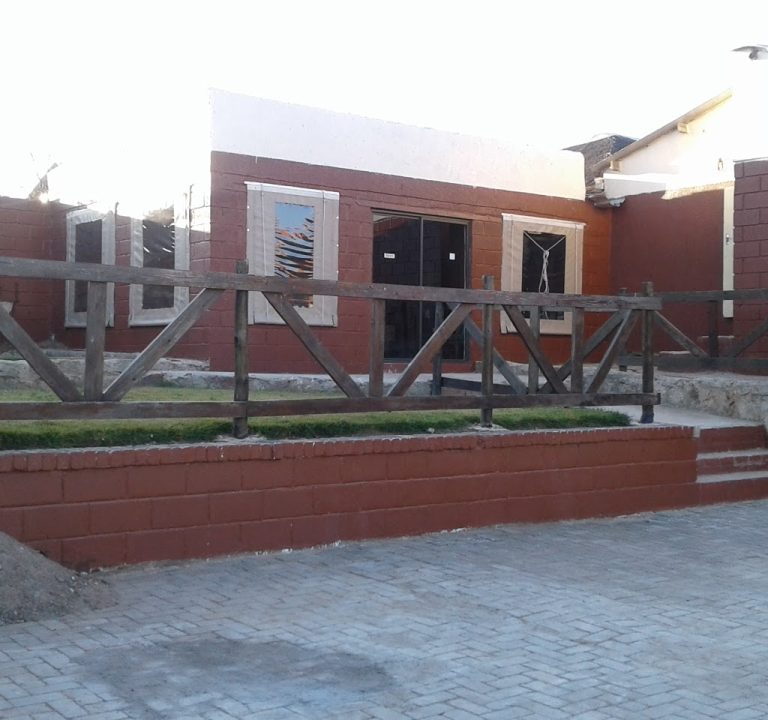
Accommodating Phuthaditjhaba: Where to stay and how to plan your visit
Phuthaditjhaba, in the Free State, offers a welcoming mix of guest houses, small hotels and family‑run lodges that emphasise warm hospitality and easy access to surrounding natural scenery. When planning a stay, consider the town’s practical hubs: central shopping and dining areas, proximity to travel routes, and the pace you want from your visit. A well‑chosen base can make day trips to nearby viewpoints, cultural landmarks, and outdoor trails straightforward and enjoyable.
Accommodation options in Phuthaditjhaba range from intimate guest houses to compact lodges and budget‑friendly inns. Many properties prioritise comfortable rooms, functional en‑suite facilities and a homely atmosphere, with hosts often able to provide local tips on markets, eateries and scenic routes. If you are seeking a specific style, look for properties that emphasise a home‑from‑home vibe, with common spaces for socialising and quiet corners for relaxing after a day on the move. For those travelling with family or groups, consider staying in multi‑room formats or self‑catering setups that add convenience and flexibility.
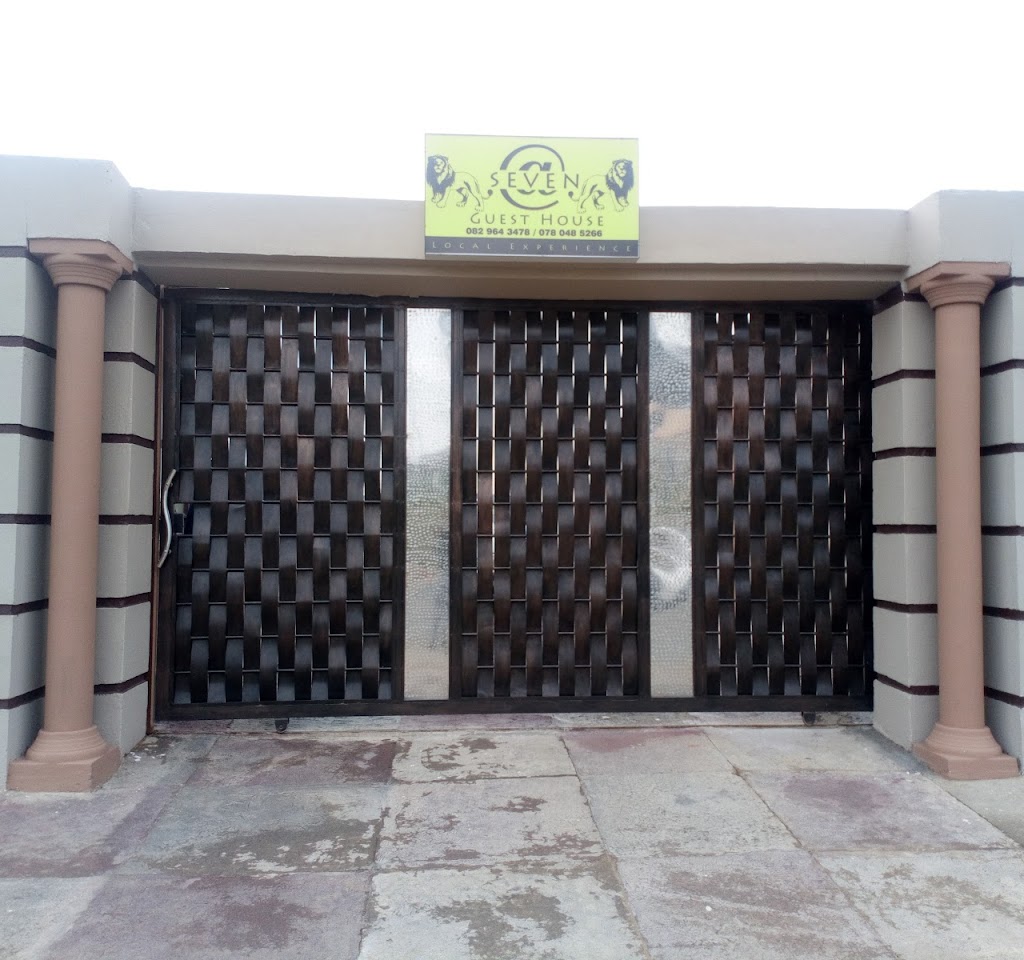
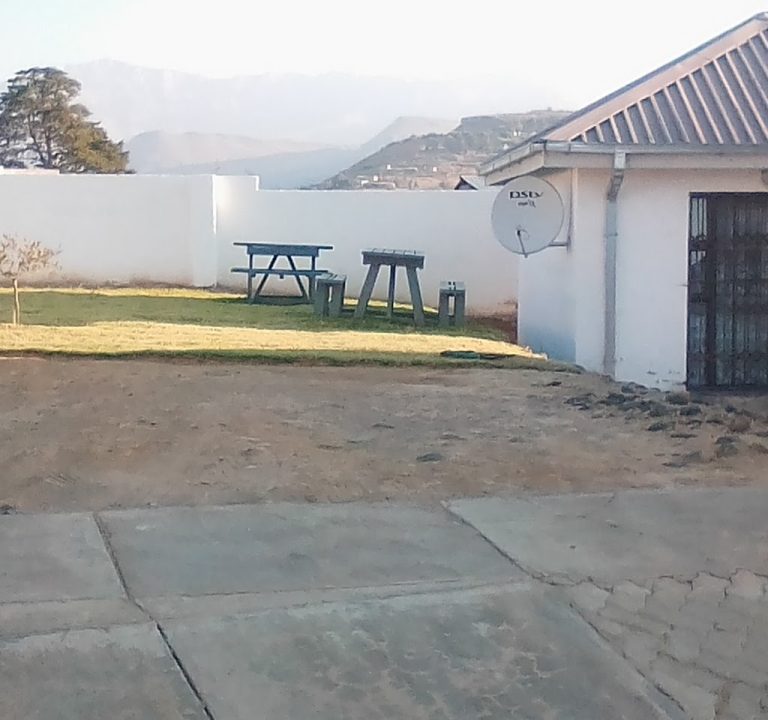
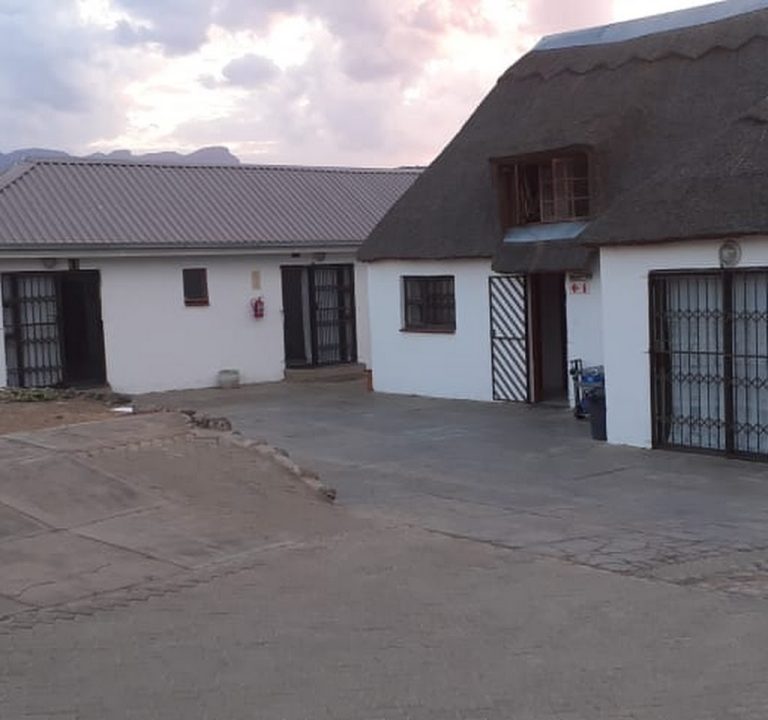
When choosing where to stay, think about the areas that best suit your itinerary. A central location can be ideal for accessing shops, eateries and transport links, while a quieter, residential part of town may offer more peaceful evenings and easier parking. If you plan to explore outdoors, check whether your chosen accommodation can arrange or advise on guided walks, hikes, or local excursions. Some guest houses, including those with independent operators such as @7 Guest House, highlight personal hospitality and a small, well‑valued set of on‑site amenities, plus a convenient link to their official website for booking and further information: https://atsevenguesthouse.co.za/
Typical amenities to expect include private ensuite bathrooms, comfortable bedding, reliable Wi‑Fi, basic kitchen facilities or access to refreshments, secure parking, and laundry services on request. Even modest properties may offer helpful touches such as maps, local tips, and the option to arrange airport or town transfers. Where possible, verify details about air conditioning or heating, hot water reliability, and energy‑efficient practices, particularly if you are visiting during the cooler months or peak tourist seasons.
Transport to and around Phuthaditjhaba can be coordinated through regional bus services, rental cars, or guided tours. A car can be particularly valuable if you plan long day trips to surrounding natural reserves or cultural sites outside the immediate town. If you prefer not to drive, confirm whether your accommodation can assist with transfers to nearby towns or attractions or connect you with trusted local operators. Remember to check parking arrangements, security, and any access considerations if you have mobility needs or luggage that requires careful handling.
Best time to visit depends on what you want from your trip. The climate tends to feature warm days and cooler nights, with rainfall varying through the year. Spring and autumn can offer comfortable temperatures for outdoor exploration, while the summer months might bring more humidity and afternoon showers. If you are seeking to combine a stay with regional events or markets, a little advance planning can help you align your dates with local rhythms and offerings. For those chasing a quieter stay, midweek visits may provide a more relaxed atmosphere with easier access to attractions and dining without the bustle of peak weekends.
When budgeting, bear in mind that rates in Phuthaditjhaba can fluctuate with demand and seasonality. Plan for a little flexibility in your dates to secure the best value, and look for inclusive options that cover essentials such as breakfast or basic utilities. Booking direct with a guest house or lodge often yields the most up‑to‑date information on room types, available facilities and any seasonal packages. It’s also worth querying cancellation policies and any recommended local partners for experiences or tours.
Attractions and experiences you might encounter in general terms include scenic walks in the surrounding hills, cultural showcases that highlight regional heritage, and markets where you can sample and purchase locally produced foods and crafts. In town, you’ll typically find places to eat that offer straightforward South African fare, with casual diners and eateries reflecting the local palate. If you enjoy framed views and easy access to nature, look for guided walks or day trips that arrange safe, well‑paced itineraries, with hosts who can share practical knowledge about terrain, weather and safety.
Practical planning tips
- Check with your accommodation about on‑site facilities and whether they can assist with arranging local tours or transfers.
- Bring appropriate layers for variable mountain weather and comfortable walking shoes for outdoor days.
- Pack a reusable water bottle and a light backpack for day trips; many locations offer water refill options and convenient pick‑ups.
- Confirm parking arrangements, entry rules for attractions, and any requirements for guided visits or park passes.
- If you have specific dietary needs, contact the property in advance to understand meal options or nearby eateries that can cater to you.
In summary, Phuthaditjhaba provides a range of guest‑friendly options that balance comfort with accessibility. By choosing thoughtfully—taking into account location, essential amenities, and transfer possibilities—you can enjoy a relaxed base from which to explore the Free State and its hospitality. For accommodations such as @7 Guest House, the emphasis tends to be on personal service and straightforward booking through the property’s official site, helping you plan a stay that feels both convenient and welcoming.