Gqeberha: where to stay, what to do and how to plan your visit
Gqeberha, formerly known as Port Elizabeth, sits on the eastern cape’s shoreline with a mix of seaside charm, leafy suburbs and a bustling urban centre. The city serves as a practical base for exploring the coast and the nearby national parks, while also offering a range of comfortable accommodation options that suit varied itineraries. Whether you’re after boutique style, family-friendly stays, or contemporary hotel comfort, Gqeberha provides choices that can fit most travel plans.
Area choices matter when planning a stay. Summerstrand and Humewood are popular for their beaches and easy access to the waterfront attractions, while Walmer and the outskirts of Greenacres offer quieter streets and excellent access to shopping centres and dining. The city centre (the historic core known as Central) can be appealing for visitors who want to be within walking distance of culture and markets, though a calm residential ambience is found in the more suburban pockets. If you’re seeking a boutique experience with a spa or a stylish bar scene, consider properties that foreground design, service and a strong sense of place. A hotel such as the 50 Boutique Hotel Bar & Spa exemplifies this style, pairing refined accommodation with on-site wellness and a central, easily navigated location. Details and availability can be explored via the property’s official website: https://www.50boutiquehotel.co.za/.
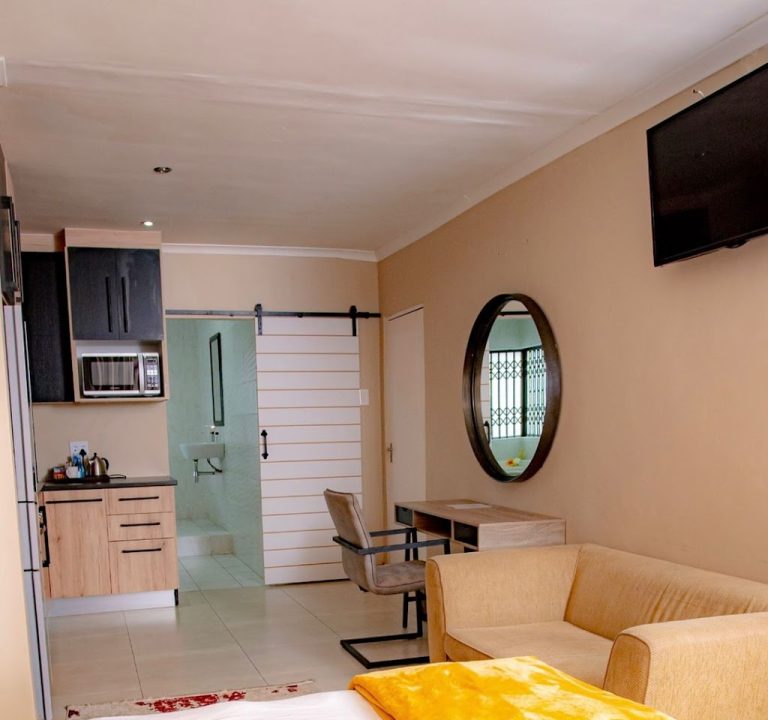
Booking considerations help ensure you make the most of your stay. Look for properties that offer flexible booking policies, clear descriptions of room types, and photos that reflect the actual size and layout. Check whether the rate includes breakfast, parking, or Wi‑Fi, and whether there are dedicated spaces for families or solo travellers. Amenities to prioritise include reliable air conditioning for the coastal heat, secure parking if you’re driving, a quiet room if you plan to work remotely, and convenient access to the hotel’s restaurant or spa facilities. If you’re visiting with a car, confirm on-site parking or nearby alternatives, as some central streets have limited or permit-only spaces.
Typical amenities found in good-value stays range from comfortable bedding and en-suite bathrooms to in-room coffee making and complimentary towels, with a growing number of properties offering heated pools, fitness rooms or spa access. For travellers who want a more immersive stay, boutique hotels and guesthouses often include style-led interiors and personalised service, while larger hotels provide more extensive on-site facilities such as conference rooms or business services. When reading reviews, pay attention to comments about noise, housekeeping responsiveness, and the quiet hours in case you plan to rest between activities.
Transport in and around Gqeberha is straightforward. The city is served by an international-style airport with domestic connections, and most visitors arrive by air and hire a car for the greater flexibility to explore the coast and wildlife reserves. Within the city, Uber and other ride-hailing services operate, and taxi options are widely available. If you’re planning day trips to Addo Elephant National Park or coastal towns, a car offers the best independence, though guided tours are a convenient alternative if you prefer not to drive. For self-guided exploration, a central stay with a short drive to the beach or to the Bayworld complex can be ideal, allowing you to balance downtime with excursions.
The best time to visit Gqeberha spans a broad window. The summer months (roughly November to February) bring warm days, ocean breezes and longer evenings, ideal for beach days and outdoor dining. Autumn (March to May) remains pleasant, with cooler mornings and a gradual drop in rainfall. Winter (June to August) in this region is milder than inland parts of the country, offering comfortable days for inland sightseeing and wildlife experiences, though you’ll want a light jacket for coastal evenings. Spring (September to October) brings a fresh feel with blooming landscapes and a favourable climate for outdoor activities. If you’re planning a coastal stay, book beach-facing accommodation early for the best light-filled mornings and sunset views over the bay.
What to do and see spans natural scenery, history and seaside fun. Practical, broad-stroke suggestions include lingering along the beaches for sun and swims, strolling the harbour and promenade for sea breezes and people-watching, and visiting museum or heritage sites to soak up the local story. Wildlife lovers can plan a day trip to a nearby wildlife reserve or park, while food-lovers will enjoy the city’s casual dining scene with seafood-centric options and modern eateries. For families, select stays that provide easy access to beaches, safe play areas and indoor spaces in case of rain. And if you’re after simple, genuine interactions, look for local cafés and casual eateries where staff can share tips on nearby beaches, coastal walks and scenic viewpoints.
Sample travel tips to keep in mind:
- Choose accommodation in a walkable area near the seafront or main thoroughfares to minimise car dependence.
- Read guest reviews focusing on comfort, noise levels and staff helpfulness.
- Confirm parking arrangements if you’re driving, and check if the property offers shuttle services or easy transit access to major sights.
- Pack layers for coastal weather—sunny days can be warm, while evenings by the shore may require light outerwear.
- Plan a mix of beach time, cultural experiences and a day trip to a wildlife reserve to balance relaxation with exploration.
Whether you’re seeking a stylish boutique stay, a family-friendly hotel with spa facilities, or a central base for touring the Eastern Cape coast, Gqeberha remains well positioned to deliver a well-rounded visit. Book with care, pace your days to suit the climate, and enjoy the blend of sea air, friendly streets and varied activities that define this coastline city.