Durban: accommodation options, planning tips, and a taste of the coast
Durban in KwaZulu-Natal offers a dynamic mix of beachfront stays, central boutique hotels, and family-friendly lodges, all within easy reach of the city’s sights. When planning a visit, it helps to decide which neighbourhood aligns with your priorities—be it a sun-soaked stay along the Golden Mile, a quieter break in the inland suburbs, or a location close to the city’s cultural venues. Durban’s coastal climate makes it a year‑round destination, with a particularly vibrant vibe during the warmer, subtropical months.
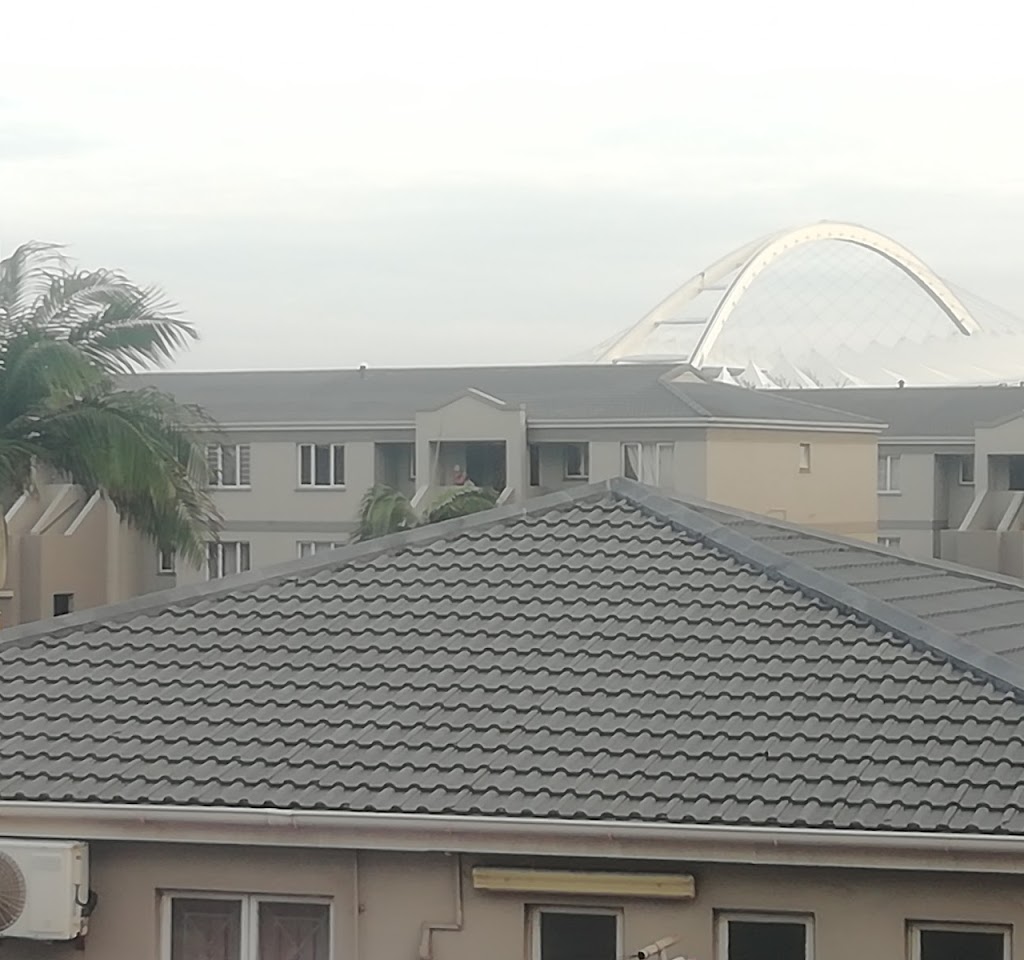
Accommodation in Durban spans budget-friendly guesthouses, mid-range hotels, and self‑catering apartments. One example of lodging in the city is 45 Summersands Apartments, which illustrates the appeal of self-contained stays that suit families and longer visits. Self-catering options can offer the flexibility to return to a comfortable home base after day trips, while hotel or guesthouse stays may provide daily housekeeping, on-site dining, and front-desk support that can simplify travel in a busy city.
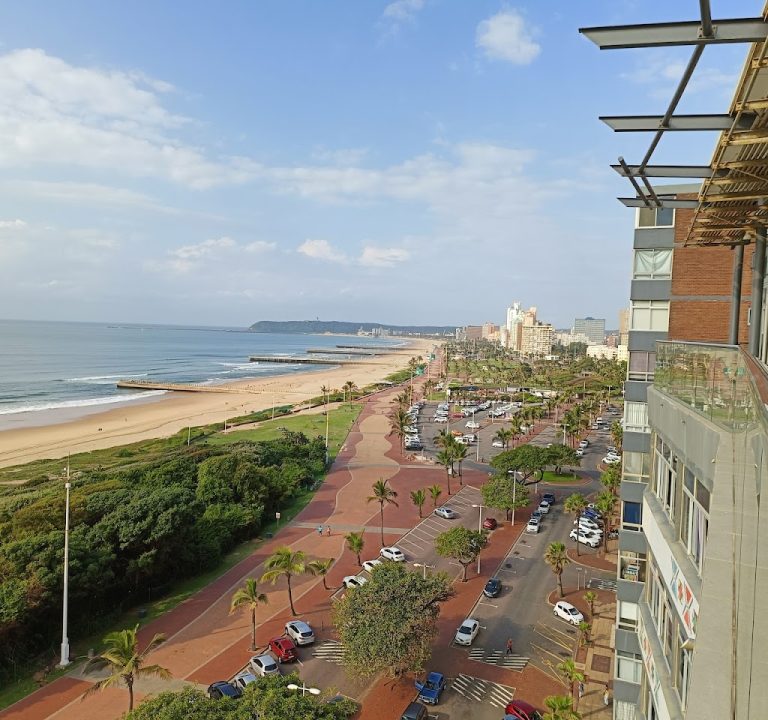
Areas to consider include the beachfront precinct along the Golden Mile, which is ideal if you want sea views, easy access to beaches, and a focus on strolls and promenade life. The central business district and the near‑by cultural quarter place you close to museums, markets, and historic sites. The northern suburbs offer leafy streets, quieter nights, and access to larger shopping centres. If you plan day trips to the surrounding countryside or inland attractions, you’ll find options that balance easy road access with a restful base at the end of the day.
When booking, look for a few practical features. A secure, well‑lit neighbourhood is important for evening strolls after dinner. Check whether the property provides reliable air conditioning or heating, as Durban’s subtropical climate can be variable by season. If you are travelling with family or a group, consider a dwelling with separate bedrooms or a dedicated living area, plus a kitchen or kitchenette for flexibility. Free or affordable on-site parking can be a real advantage, especially if you are renting a car to explore beyond the city centre. Wi‑Fi quality is worth confirming if you need to work or stream during your stay. Clear cancellation policies and straightforward check‑in procedures can make a big difference if your travel plans shift.
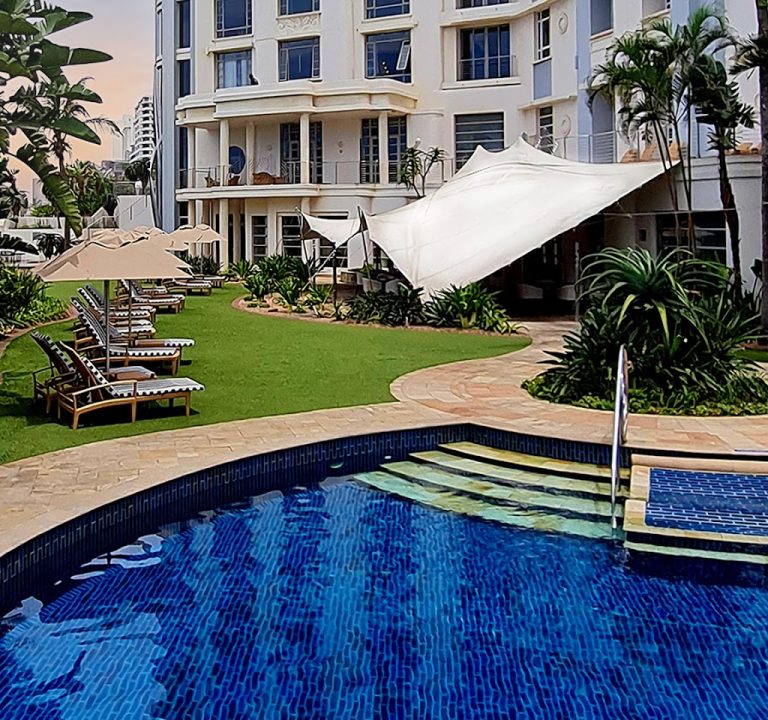
Typical amenities you might encounter include en suite bathrooms, fresh linen and towels, a well-equipped kitchen or kitchenette, and access to laundry facilities. Some properties offer swimming pools, outdoor spaces, or rooftop terraces with city or sea views. In Durban, many stays are geared towards a relaxed, hospitable approach—owners often provide tips on local beaches, markets, or eateries, which can be especially helpful for first‑time visitors.
Transport in Durban is reasonably straightforward. If you are renting a car, you’ll appreciate convenient access to arterial roads and parking facilities; otherwise, consider staying near a major transport hub or along routes that connect to the city’s popular beachfront and cultural districts. Public transport options exist, though they can be less frequent outside peak times, so planning transfers and day trips in advance helps reduce delays. Taxis, ride‑hailing services, and local shuttle services are commonly used by visitors to reach attractions, markets, and restaurants without needing to drive.
Best time to visit Durban is typically during the milder shoulder seasons when the weather is pleasant and the city is less crowded. The coastal climate makes it a popular destination in spring and autumn, while in winter you can enjoy cooler days and the chance of sunny spells. If you are keen on water activities, the summer months offer more predictable sea conditions for swimming and surfing, but always check local weather and surf forecasts for safety.
Top experiences that sit well with most stays include strolling along the promenade for a taste of city life by the sea, visiting museums and markets to understand Durban’s multicultural heritage, and exploring nearby nature reserves or botanical spots for a breath of fresh air. Dining in Durban ranges from casual seaside cafés to more established restaurants that focus on seafood, grilled dishes, and South African favourites. Many visitors enjoy trying a mix of inexpensive local eateries and occasional more formal meals, while exploring markets and street food stalls can provide a sense of the city’s culinary heartbeat.
Practical tips for a smooth visit:
- Book accommodation with clear access to the areas you plan to explore most and confirm transportation options for evenings.
- Pack sunscreen, a hat, and lightweight clothing for daytime heat, plus a light layer for cooler evenings near the coast.
- Plan a flexible itinerary that balances beach time, culture, and day trips to nearby natural attractions.
- Check for guesthouse or hotel policies on breakfast offerings, as many include a continental or hot option that can save time in the mornings.
- Consider a mix of self-catering and serviced stays to experience both independence and convenience during your trip.
To start planning, you can explore official tourism resources and hotel and guesthouse listings, which often provide practical guidance on neighbourhoods, transport links, and seasonal highlights. Durban’s hospitality scene emphasises warm South African hospitality and the opportunity to tailor stays to individual interests, whether you are seeking a relaxed beach break, cultural immersion, or a gateway to the wider KwaZulu‑Natal region. For inspiration and practical planning, see reputable local tourism sites and accommodation providers at your convenience.