Johannesburg Stay: Where to book, what to expect, and how to make the most of your visit
Johannesburg, or Jo’burg as many locals say, offers a dynamic mix of urban culture, history, and green spaces. When planning a stay in Gauteng’s vibrant metropolis, the choice of neighbourhood, the kind of accommodation, and the balance between city highlights and restful downtime all shape the experience. From boutique guesthouses to modern lodges and family-friendly B&Bs, there are options to match every budget and pace. A well-rounded plan also considers transport, safety, and neighbourhood character to ensure a comfortable and convenient visit.
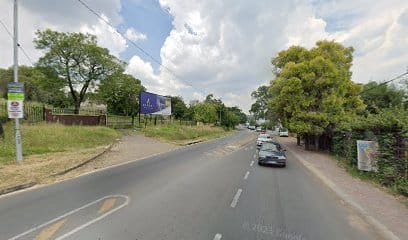
Areas to consider often hinge on what you want to get out of your trip. The northern suburbs, including leafy residential routes and upmarket guesthouses, tend to offer easy access to business districts, shopping centres, and quieter nights, while central and historic precincts provide proximity to museums, markets, and nightlife. For a more contemporary pulse, areas around the city centre have undergone substantial redevelopment, offering stylish stays with easy access to cultural institutions, eateries, and public transport. If you prefer a blend of boutique charm and a sense of community, consider guesthouses or B&Bs in up-and-coming neighbourhoods that mix residential calm with opportunistic dining and browsing.
When booking, look for clear details about the property type, room configuration, and access to common areas. A typical bed & breakfast or boutique guesthouse will emphasise a personalised touch, with hosts ready to share local tips. In Jo’burg, many properties highlight breakfast options, secure parking, reliable Wi‑Fi, and thoughtful extras such as tea and coffee facilities, climate control, and proximity to major transport routes or taxi services. If you need a self-contained stay, seek listings that mention private entrances or en suite facilities, and read guest reviews for notes on noise levels and privacy.
Transport is a practical consideration in Johannesburg. The city runs a network of authorised taxis, rideshare services, and car-hire options, while some areas offer convenient access to Gautrain stations for day trips to Pretoria or OR Tambo International Airport. If you plan to explore beyond your base, choose accommodation with straightforward access to main roads or public transit hubs. For stays centred in city pockets, walkability can be a highlight, with markets, cafes, and galleries within a short stroll.
Typical amenities you might encounter include secure parking, air conditioning or efficient ceiling fans, complimentary Wi‑Fi, coffee and tea facilities, and en suite bathrooms. Some properties offer additional touches such as a cosy communal lounge, garden or courtyard, or a designated parking space. For guests with dietary preferences or requirements, a hearty breakfast made from local produce or homemade options can be a real bonus. Note that not all B&Bs provide all-day dining, so plan accordingly if you expect to dine in after a day of sightseeing.
The best time to visit Johannesburg is influenced by the warm Cape summer and the city’s generally pleasant all-round climate. Spring and autumn bring milder temperatures and easier outdoor exploration, while summer can be lively with outdoor markets and events. If your itinerary includes day trips to nearby attractions or parks, consider how the season might affect travel times and walking comfort. In any season, plan some flexible indoor activities—museums, galleries, or a spa afternoon—so you have options if weather shifts or you want a slower day.
Attractions and experiences in Johannesburg exist across history, culture, and nature. You might structure a stay around visiting iconic museums to learn about the country’s past, exploring markets and street-food stalls, and enjoying city views from lookout points or modern rooftops. Depending on your interests, you could weave in a guided neighbourhood walk, which can illuminate architectural styles, local art, and community life. For a more relaxed pace, consider a restorative day in parks and gardens, followed by dining in areas known for diverse culinary scenes. Restaurants in many districts offer a range of flavours, from traditional favourites to contemporary fusion, with chefs emphasising fresh ingredients and vibrant presentations. When planning meals, you’ll often discover places that prioritise seasonal menus and friendly service, with many spots offering regional wines or craft beverages to complement dishes.
Practical planning tips to help your stay go smoothly:
- Read recent guest reviews to gauge consistency, safety, and warmth of hospitality.
- Check the neighbourhood vibe in photos and descriptions to ensure it matches your comfort level and itinerary.
- Confirm access to parking or easy taxi access, especially if you plan to rely on rideshares for evenings out.
- Look for flexible booking and clear cancellation policies in case plans change.
- Pack comfortable footwear for urban exploration and a light jacket for cooler evenings.
For a stay anchored in a distinctive character, a family-run or locally managed B&B such as the former 45 Peter Place area can offer personal touches and insider tips, often including a curated breakfast experience. When you choose a smaller property, you may enjoy a sense of belonging and tailored recommendations that highlight nearby cafés, galleries, and parks. To round out your trip, consider building in a day trip or two to see the wider Gauteng region—cities and landscapes that showcase South Africa’s diverse urban and rural beauty.
Ultimately, a successful Johannesburg visit blends well-chosen accommodation with an adaptable itinerary, comfortable travel between sights, and time to savour the city’s dynamic dining and cultural offerings. With thoughtful planning, your stay can be both energising and restorative, giving you a true sense of what makes Johannesburg such a compelling destination.