Queenstown, Eastern Cape: Accommodation, Attractions and Practical Planning
Queenstown in the Eastern Cape offers a laid‑back gateway to rural South Africa with a mix of lodge accommodation, handy self‑catering options and guesthouses that suit travellers seeking calm, scenic surrounds. The town sits inland with rolling hills, local eateries and friendly service, making it a good base for exploring the broader region while enjoying a comfortable place to rest after day trips. When planning a stay, think about how you want to move around, how long you plan to linger in one spot, and what pace of travel feels right for you.
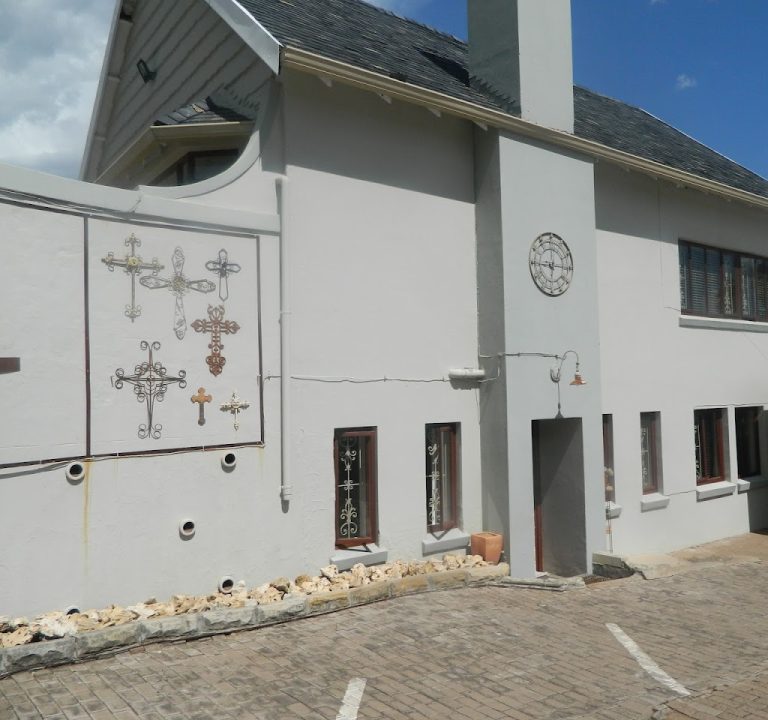
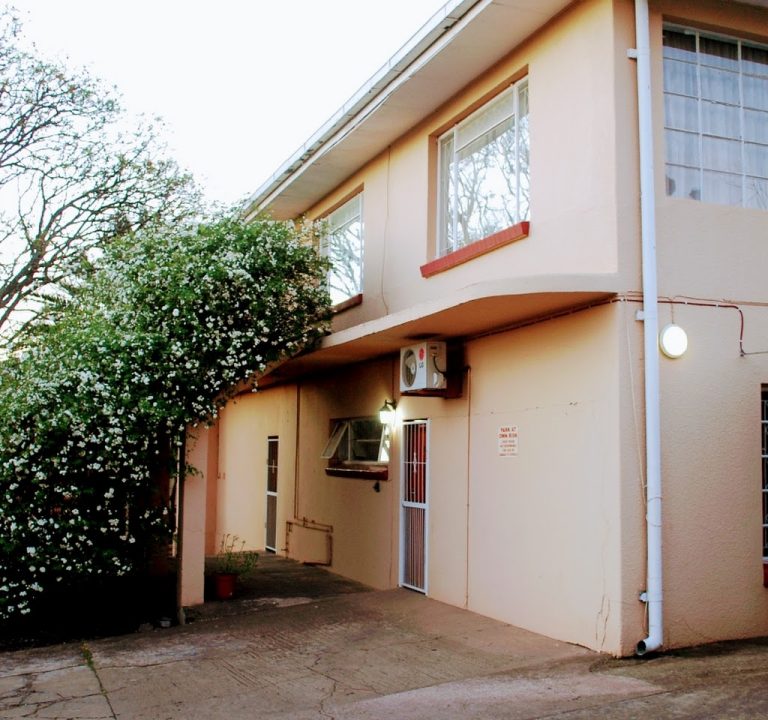
Accommodation in Queenstown ranges from small guesthouses to rustic lodges and mid‑range hotels. A lodge such as 4 Elements Lodge can be a quiet option for travellers who appreciate a cohesive setting, on‑site facilities and a focus on comfort after long days outdoors. Expect well‑kept rooms or suites, private or semi‑private spaces, and common areas designed for relaxation. If you’re seeking a more intimate experience, look for hosts who offer helpful local tips, flexible breakfast arrangements and private parking. For longer stays, self‑catering cottages or chalets can provide extra space and Kitchenette facilities, while central guesthouses often offer convenient access to shops and markets.
Areas to consider when booking include the town centre, where shops, eateries and markets are typically close at hand. A stay near the main thoroughfares can cut down on transit times, especially if you plan to explore surrounding attractions by car. If you prefer a quieter ambience, search for lodges or guesthouses on the outskirts or in small rural pockets a short drive from the town, offering more tranquil outlooks and easy access to country lanes for scenic drives.
Typical amenities to look for include secure on‑site parking, reliable housekeeping, and options for breakfast either included or available on request. A comfortable bed with adequate storage is essential, as is a clean bathroom with hot water and good water pressure. Wireless internet is increasingly common and useful for planning day trips, while air‑conditioning or heating can be important given the South African climate. Some properties offer outdoor spaces, such as verandas or patios, which can be particularly appealing in the warmer months. If you are travelling with family, check for family‑friendly rooms or suites with adjacent sleeping areas and child‑proof features where needed.
Transport is a practical consideration in this region. Queenstown is accessible by road, with car hire available at nearby towns and airports. If you plan to drive, a flexible itinerary is helpful since public transport options within the town can be limited. Having a map or offline navigation can make day trips smoother. For those who prefer not to drive, check whether your chosen accommodation can assist with airport transfers or arrange local drivers for day trips to nearby viewpoints, farms or community markets. Early planning for longer legs of your journey is wise, especially during peak holiday periods when roads can be busier.
The best time to visit Queenstown is tied to the climate and your travel aims. Spring and autumn offer mild temperatures and quieter streets, ideal for outdoor walks, nature reserves and small‑town exploring. Summer brings warmer weather suitable for longer outdoor activities, while winter can be cooler with clear skies that are excellent for panoramic viewpoints from surrounding hills. If your itinerary centres on farms or rural experiences, consider staying longer in the shoulder seasons to avoid peak crowds and to experience local rhythms at a slower pace.
Practical tips for planning a stay include booking in advance during holiday periods, as smaller properties often have limited rooms. When arranging meals, ask whether breakfast is available on site and whether dinner options can be provided or recommended nearby. If you enjoy local markets, plan a morning visit to explore fresh produce and crafts, leaving afternoons for a gentle stroll or a short drive to nearby landscapes. Pack a light layer for cooler evenings and a sunhat or sunscreen for daytime outings, as conditions can vary with elevation and weather patterns. Keep a flexible mindset for activities—the region’s charm tends to lie in its landscapes, small‑scale experiences and the warm welcome you receive from local hosts.
In terms of activities and experiences, you’ll generally find opportunities for short scenic drives, countryside walks, and visits to nearby farms or nature reserves. Visitors often combine a stay in Queenstown with broader explorations of the Eastern Cape’s countryside, where the landscapes include rolling farmland, rugged hill country, and rural communities. When selecting a place to stay, consider how your lodging aligns with your planned excursions, from relaxing evenings on a patio after a day of sightseeing to quick access to shops, fuel, and cafés. A well‑located lodge or guesthouse can be a comfortable anchor for a well‑paced itinerary, letting you enjoy both restful nights and uplifting day trips.
- Choose a base with easy access to roads and parking for day trips.
- Look for friendly hosts who can provide local tips and flexible meal options.
- Balance your schedule with downtime to enjoy landscapes and small‑town flavours.