<h2Staying in Pretoria: Accommodation and Attractions
Pretoria, the administrative heart of Gauteng, blends leafy suburbs with vibrant urban pockets, making it a versatile base for visitors. When planning a stay, consider the city’s distinct neighbourhoods to match your priorities—quiet residential streets with easy access to embassies and government buildings, student-friendly areas near universities, or leafy inner suburbs with cafés, restaurants and parks. A well-rounded itinerary often combines a comfortable base with day trips to nearby natural reserves, cultural venues and markets that showcase the region’s heritage.
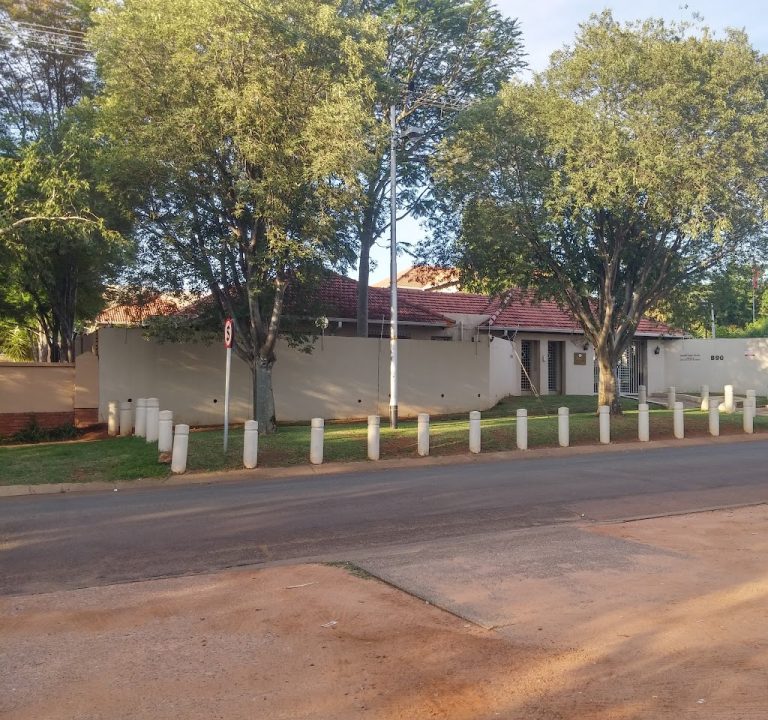
Accommodation options vary from intimate guest houses and boutique B&Bs to mid-range hotels and serviced apartments. Look for properties that clearly state the type of experience they offer—whether you want a polished, formal stay, or a more relaxed, home-from-home atmosphere. In popular areas, you’ll often find beautifully restored houses with period features, while new-build properties may emphasise modern amenities and practical layouts. For extended stays, serviced suites or guest houses with kitchen facilities can offer real convenience and value.
When booking, key considerations include location relative to your planned activities, safety, and transport links. If you need to commute to business meetings or universities, a central or well-connected neighbourhood near main routes is advantageous. For a calmer break, opt for a residential area with secure parking and a short stroll to cafés and green spaces. Many guest houses and small hotels in Pretoria proudly list on-site parking, generous breakfast options, and attentive hosts who can offer tailored recommendations on local transport and outings.
Typical amenities to look for include reliable Wi-Fi, secure parking, 24-hour reception or on-call assistance, and complimentary breakfast or flexible dining arrangements. Rooms may range from bright, compact doubles to larger en-suite suites with tea- and coffee-making facilities, workspace corners and blackout curtains for restful nights. If you’re travelling with family or a group, ask about family rooms, sofa beds, or adjoining rooms. Accessibility features are increasingly common, with ground-floor rooms and step-free access in many properties.
Transport in Pretoria is generally straightforward. The city is well-served by the Gautrain corridor and major arterial roads, with taxis and rideshare options widely available. If you plan to explore beyond the city centre—such as nature reserves, markets, or museums—check whether your accommodation can arrange airport transfers or provide guests with clear guidance on public transport routes and travel times. Renting a car is convenient for flexible explorations, but many areas are easy to navigate by Uber or similar services for short trips into town.
Best time to visit Pretoria depends on your priorities. The city enjoys a temperate climate with warm summers and mild winters. Spring and autumn bring pleasant daytime temperatures, which are ideal for outdoor markets, parks and gardens. Summer can offer longer daylight hours and vibrant street life, but plan for occasional showers. Winter is cooler, with crisp mornings perfect for early city walks and visits to indoor attractions. If you’re attending events or specific exhibitions, coordinate your dates with opening times and seasonal markets to maximise your itinerary.
In terms of activities, Pretoria offers a blend of cultural, historical and outdoor experiences. On the cultural side, visitors can expect museums and galleries that explore the region’s complex history, as well as monuments and public art in verdant parks and prominent avenues. Outdoor enthusiasts may enjoy walking or cycling in well-maintained parks and nature reserves, where the scenery ranges from riverside habitats to scenic viewpoints. Markets and shopping districts offer artisan crafts, local produce and casual dining, often with a backdrop of live music or street performances on weekends. For food lovers, many neighbourhoods feature a range of dining options—from relaxed cafés to contemporary eateries—where you can sample dishes influenced by local ingredients and international influences.
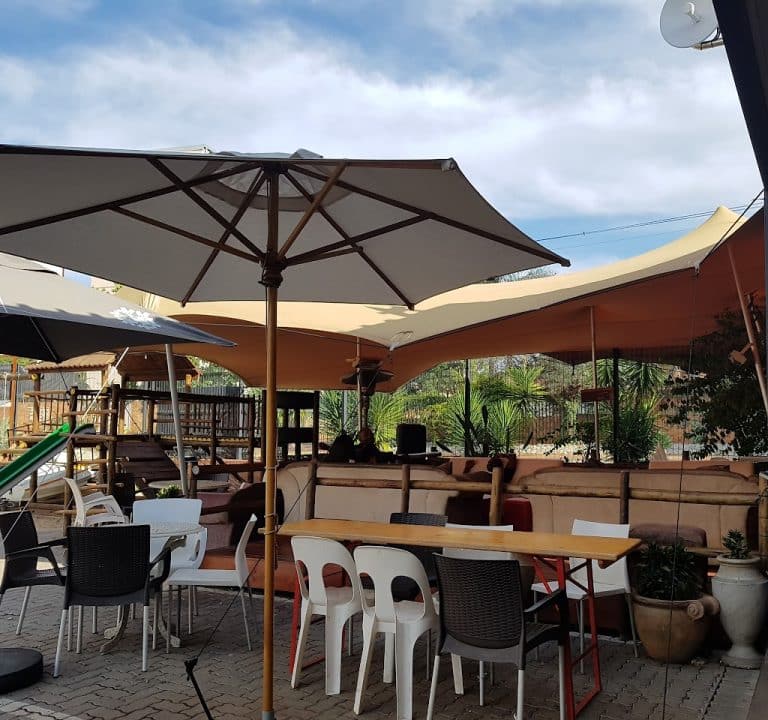
When choosing where to eat, look for places with lively but relaxed atmospheres, clear menus and good value. Practical tips include checking opening hours, especially for weekend brunches and evening services, and booking for popular dining spots in peak seasons. If you have dietary requirements, a quick inquiry with reception or staff is often enough to confirm suitable options. Many guest houses and hotels in Pretoria offer a continental or full breakfast, and several provide recommendations for nearby cafés and eateries, helping you sample the city without wasteful detours.
Practical planning tips:
- Ask hosts for a personalised arrival plan, especially if you’re arriving late or during a busy period.
- Prioritise accommodations with secure parking if you’re driving, and confirm access arrangements for late check-ins.
- Request maps or local guides from your host, highlighting parklands, museums, markets and scenic viewpoints.
- Consider an itinerary that balances indoor activities with outdoor time, taking advantage of Pretoria’s parks and gardens.
- Check travel time estimates between your base and planned attractions to avoid long transfers during peak hours.
Ultimately, Pretoria rewards guests who blend a comfortable stay with exploratory days. By choosing a well-situated base, weighing transport options, and pacing activities to the climate and crowds, you can enjoy a thoughtful, relaxed visit that captures the cidade’s character without the rush. For many travellers, a well-chosen guest house or boutique hotel in a well-connected neighbourhood becomes the anchor for an engaging Gauteng break, complemented by easy access to cultural highlights, green spaces and inviting eateries.