Berea, Kwa-Zulu Natal: accommodation, attractions and practical planning for travellers
Perched on the rolling hills above central Durban, Berea offers a blend of leafy residential charm and easy access to the city’s vibrant beaches and cultural life. For visitors, the area provides a range of accommodation styles—from intimate bed & breakfast stays to boutique guesthouses and small lodges—each with a neighbourhood flavour that makes a stay feel welcoming and relaxed. Crime and safety are common considerations in any urban-adjacent area, so selecting a well-reviewed option in a well-lit, busy street can help you feel secure while you explore by day and night.
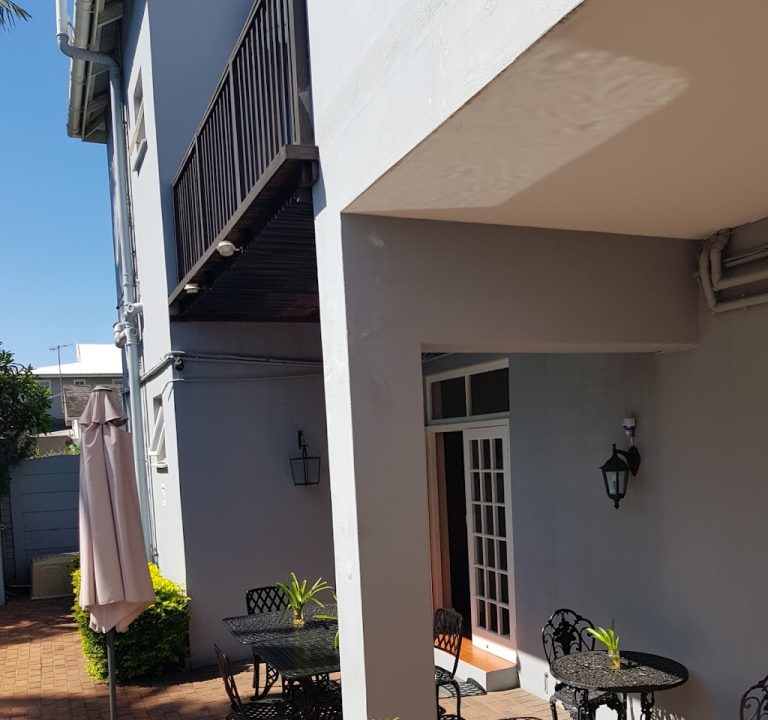
When choosing a place to stay, think about your preferred atmosphere and your daily rhythm. A B&B such as 20 Palm Grove B&B, if you encounter it in listings, typically emphasises homely hospitality, self-contained or breakfast-included formats, and a personalised approach from hosts. If you value a morning meal that suits your plans for the day, a B&B with a hearty continental or full South African breakfast can be a real bonus. For those seeking quieter evenings, some guesthouses offer cosy lounges or gardens where guests can unwind after exploring the city.
Areas to consider within Berea include the central, tree-lined streets close to the city’s core, where cafés, small shops and family-run eateries create a quintessential urban village feel. If you prefer a more residential vibe with scenic outlooks, look to higher streets and hillsides that enjoy expansive views of the city and warmer evenings. Proximity to Durban’s Golden Mile beaches, river walks, and accessible parks can influence your daily itinerary, so weigh how long you’re willing to travel to and from your chosen base and what you hope to do most days.
Typical amenities to look for in Berea accommodation include en-suite bathrooms, reliable wi‑fi, secure parking or easy on-street parking, and a self-contained option if you want to self-cater some meals. Hosts on Berea properties often provide local guides, maps or even short introductions to the best viewpoints and walking routes. If you’re visiting in high season, check whether air conditioning or ceiling fans are available, as Durban’s humidity can be noticeable in summer. A flexible cancellation policy is advisable given the sometimes-changing travel plans while you’re on holiday.
Transport is one of Berea’s practical strengths. The area is walkable in parts, with pleasant streets ideal for morning jogs or evening strolls. If you plan to drive, confirm parking arrangements with your accommodation in advance, since on-street spaces can be limited in busy areas. Public transport options exist, though services may be less frequent on weekends. For longer day trips, many visitors arrange transfers or hire a car with driver for the day, allowing the opportunity to visit further afield such as the city’s coastal zones, botanical spaces, or nearby townships that offer informative cultural experiences. If you prefer not to drive, ask your hosts for guidance on the safest and most convenient routes to major sights and shopping areas.
The best time to visit Berea aligns with the broader Durban climate. Spring (September to November) and autumn (March to May) offer milder temperatures and lighter humidity, making walks and outdoor dining more comfortable. Durban’s summer months bring warmth and occasional showers, ideal for sea lovers and those who want to experience the subtropical vibe, but be prepared for higher humidity. Winter is generally mild, with cool evenings—great for sightseeing without the crowds of peak season. When planning a stay, check local event calendars for markets, art fairs, and live music venues that can enrich your evenings and provide a sense of place without the need for long journeys.
Dining and the social scene in Berea are diverse. Expect a range of casual cafés, family-run eateries and more contemporary restaurants alongside traditional South African flavours. Many guesthouses and small hotels will recommend nearby options to suit different budgets and tastes, from quick bites to relaxed evenings with friends. Even if you plan to be out most of the day, a good breakfast or early light supper can set you up well for exploring the city and its surrounding coastal scenery.
To help you organise your stay, here is a short checklist:
- Decide on atmosphere: central urban convenience vs. quieter hillside views.
- Verify amenities: en-suite, air conditioning/heating, reliable wi‑fi, parking.
- Assess transport: proximity to major routes, parking, and access to taxis or rideshare options.
- Consider timing: seasonal weather, crowd levels, and potential local events.
- Plan activities: balance downtime at the accommodation with visits to beaches, greenspaces, markets, and galleries.
Finally, a word on planning practicalities. Booking early can secure the best rates and room configurations, especially for multi-night stays or groups. Read guest reviews focusing on accuracy of descriptions, cleanliness, and the hosts’ responsiveness. Having a flexible plan that includes a couple of backup dining options and a suggested self-guided walking route will help you enjoy Berea without unnecessary stress. For general information about the region, credible tourism sites offer useful background on Durban and KwaZulu-Natal and can help you tailor your itinerary to match your interests—from nature and history to food and family-friendly outings.
For a broader sense of Durban and KwaZulu-Natal, reputable tourism resources can provide context on travel routes, activities and regional highlights. Visit sites dedicated to Durban’s coastal character, the province’s cultural and natural attractions, and the network of guesthouse and B&B options to build a well-rounded stay that aligns with your pace and preferences.