Pretoria, Gauteng: accommodation, attractions and practical planning for a traveller-friendly stay
Pretoria offers a compact, well-connected base from which to explore Gauteng’s blend of cultural history, modern galleries and leafy neighbourhoods. When choosing somewhere to stay, consider the neighbourhoods that best match your plans. From central, easy-to-wundle cities close to government buildings to quieter residential pockets that feel more like a home away from home, Pretoria presents a range of guest houses, B&Bs and small hotels that emphasise hospitality and accessibility.
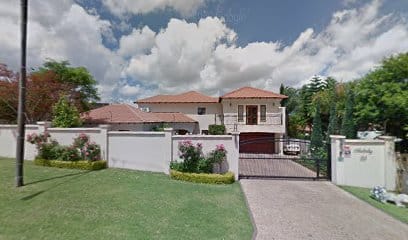
Key areas to consider include the central districts, which place you within easy reach of major sights and the university precinct, or the eastern and northern suburbs where quiet streets, generous gardens and secure parking are more common. If you prefer a lively dining scene with a more urban atmosphere, look for accommodation in areas close to cafes, bakeries and weekend markets. For a restful stay with quicker access to embassies or business hubs, a guest house in a secure, well-connected suburb can be ideal. For example, 173 on Rigel, a guest house in a quieter neighbourhood, illustrates the kind of location that balances privacy with convenience.
When planning a stay, think about transport and access. Pretoria is well-served by roads and major routes, and many guest houses offer private parking or secured off-street spaces. For guests without a car, proximity to taxi services or rideshare options is important; some areas are still easy to navigate on foot or by bike, with safe, tree-lined streets and nearby coffee stops or small eateries. If you plan day trips outside the city, consider accommodation that can arrange reliable transfers or provide helpful local guidance.
Typical amenities you may encounter include complimentary breakfast, Wi‑Fi, air conditioning, ensuite bathrooms, and private entrances. Some guest houses offer seasonal outdoor spaces, shared lounges, garden seating and on-site parking. In Pretoria’s quiet residential pockets, rooms are often finished with thoughtful touches that feel more homely than a standard hotel room. If you value privacy, look for self-contained suites or rooms with separate entrances. For business travellers or longer stays, check whether desks, workstations and ample power outlets are available in your room or living area.
Booking essentials: read the listing carefully and note what is included in your rate. Check cancellation policies, guest reviews and recent refurbishments or maintenance updates. Photos can reveal room sizes, bedding configurations and storage options, which matter if you are staying several nights. Confirm accessibility features if required, and ask about proximity to public transport routes or major roads. It’s also worth asking about breakfast service times, whether there are shared kitchens, and what security measures are in place at night.
Best time to visit Pretoria depends on what you want from your stay. Spring (September to November) brings pleasant temperatures and colourful boulevards, while autumn (March to May) offers cooler evenings and comfortable daytime temperatures. Winter can be cool, but warm hospitality and good indoor heating or hot beverages can make a stay equally appealing. If you plan outdoor excursions, the cooler months are ideal for exploring parks, gardens and outdoor art installations without the heat of high summer.
Practical tips to make the most of your stay:
- Book in advance for peak travel periods and major public holidays when demand can be higher for guest houses and B&Bs.
- Verify what is included in breakfast and whether dietary options can be accommodated.
- Ask about security features such as perimeter fencing, on-site parking and well-lit walkways.
- Prepare for variable traffic; allow extra time when planning day trips or airport transfers.
- Bring a light layer for cooler evenings, even in spring or autumn, and comfortable walking shoes for city strolls and markets.
What to see and do, in general terms: Pretoria’s cultural heart beats in its museums, botanical spaces and historic viewpoints. The city is known for broad avenues, prominent public buildings, and landscaped gardens that invite relaxed strolls. Outdoor enthusiasts may enjoy green spaces and riverside paths, while food lovers can discover casual neighbourhood eateries and markets offering seasonal and locally sourced fare. If you prefer guided insights, many accommodation providers can arrange curated tours or day trips that showcase the surrounding Gauteng countryside, markets and artisan studios without committing you to crowded itineraries.
Restaurants and dining experiences in Pretoria span casual coffee shops, family-run eateries and more contemporary venues. Rather than focusing on specific outlets here, seek places that offer a friendly, relaxed atmosphere, seasonal menus and an easy walk from your accommodation. For guests who enjoy planning ahead, many establishments maintain websites with hours and seasonal highlights—use these resources to time your dining around markets, cultural events and local fairs.
Accessibility and planning notes: while the city is quite walkable in certain neighbourhoods, many visitors find a vehicle or a reliable rideshare convenient for moving between districts and sights. Check whether your chosen stay provides clear directions to major routes or public transport hubs, and confirm any arrival instructions if you are arriving late. With thoughtful preparation, Pretoria can offer a comfortable, welcoming stay that combines the charm of a well-kept guest house with easy access to South Africa’s vibrant capital region.