Accommodation and attractions to plan a memorable stay in Cape Town, Western Cape
Cape Town offers a diverse range of places to rest your head, from stylish city-centre apartments and cosy guesthouses to boutique lodges perched above dramatic coastlines. When planning a stay, think about how you want to move around the city, what views you’d like to wake up to, and how close you want to be to beaches, mountains, and dining. A well-chosen base can cut travel time and elevate your entire trip, leaving more opportunities for exploring the natural beauty, cultural experiences, and culinary delights of the region.
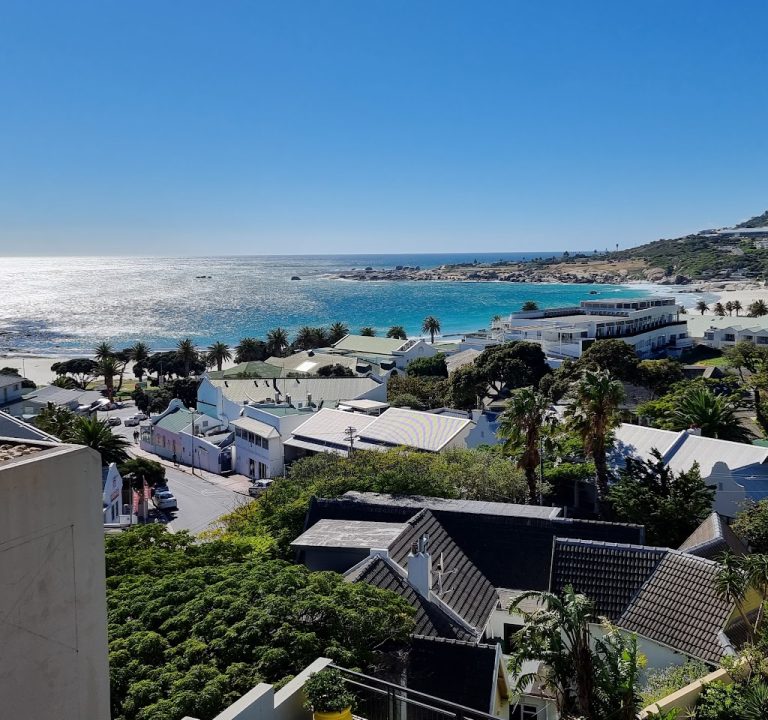
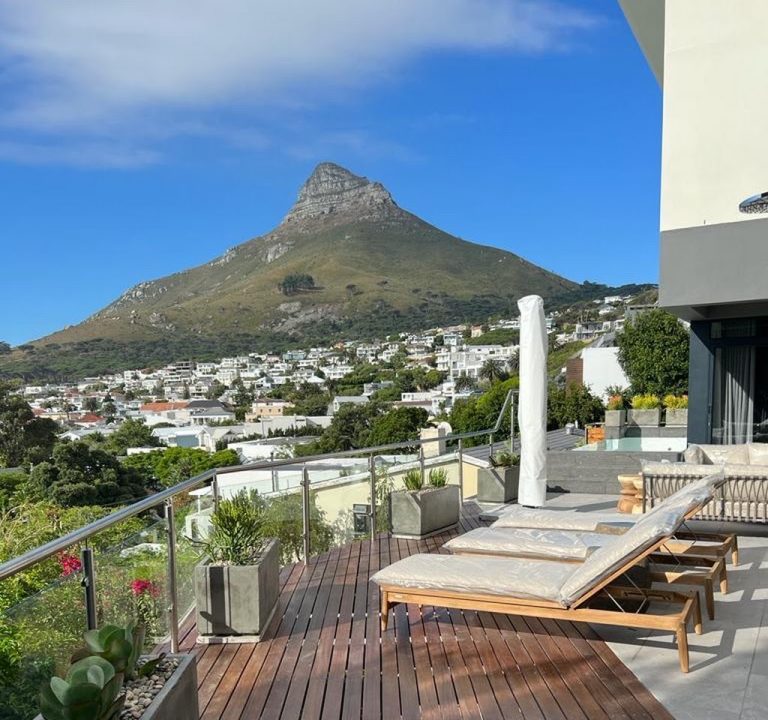
Areas to consider include the City Bowl and the Central City for easy access to shops, galleries, and nightlife, as well as the V&A Waterfront for harbour views and convenient transport links. Camps Bay, Clifton, and Bakoven offer coastal scenery and stylish beachfront stays, while the Constantia Valley and the Southern Suburbs provide leafy calm and easy access to wine routes and hiking trails. For a more historic heartbeat, the Bo-Kaap neighbourhood offers colourful architecture and a sense of the city’s multicultural history. If you’re travelling with family or seeking a quieter pace, the subtropics of the eastern suburbs or the serene winelands on the doorstep of the city can be an appealing base.
Typical amenities you might expect include free Wi‑Fi, daily housekeeping, on-site parking, secure access, self-catering facilities in some units, and convenient kitchenettes in apartment-style stays. Guesthouses and lodges may offer breakfast options, either continental and hot choices or tailor-made menus. Many properties prioritise attention to detail, providing comfortable beds, good ventilation, dependable heating or cooling, and thoughtful touches such as quality linens and in-room coffee/tea facilities. If you value sustainability, look for properties with energy-efficient features, recycling practices, and water-saving options. For families or groups, ask about interconnecting rooms, family suites, or larger self-contained units.
Booking tips to consider before you reserve:
- Location vs. convenience: weigh proximity to your planned activities against price and noise. Beachfront stays are idyllic but may be busier in peak season.
- Access and transport: check whether parking is included, if there are easy routes to public transport, and how far it is to main attractions.
- Safety and neighbourhood character: read recent guest reviews and note the surrounding area’s lighting, footpaths, and security measures.
- Cancellation policies: especially for peak travel periods, understand the terms and fees in case plans change.
- Facilities for weather and comfort: confirm air conditioning or heating options, as Cape Town’s climate can be varied by season.
Best times to visit Cape Town balance weather, crowds, and pricing. The summer months (roughly November to February) offer long daylight hours and warm seas, ideal for beaches, hiking, and outdoor dining. Shoulder seasons—late spring and early autumn—often provide milder weather with fewer crowds and can be excellent for tasting experiences and wildlife viewing. Winter (June to August) is cooler and wetter, but still offers dramatic scenery and fewer visitors, which some travellers appreciate for city exploration and museum visits. If you’re chasing the wine routes or hiking trails, plan your trip around accessibility and weather conditions for the specific activities you have in mind.
Practical planning considerations for a comfortable stay include transport choices and daily rhythms. Renting a car provides the greatest flexibility to explore beyond the city bowl, including the Constantia wine region, Boulders Beach penguin viewing, and the scenic coastal drives. Alternatively, a well-connected public transport option or rideshare service can simplify daytime forays into town, and many lodges and guesthouses offer airport transfers or local shuttle arrangements.
When it comes to attractions and dining, Cape Town presents a broad spectrum. You may spend days enjoying perspective-altering viewpoints from mountains and suburbs, strolling vibrant streets with markets and galleries, and visiting museums or historic sites. Dining ranges from casual eateries with regional flavours to refined establishments that showcase Cape Malay influences and modern South African cuisine. Rather than listing specific names, look for venues with strong local reviews, vibrant atmospheres, and a focus on seasonal ingredients. It’s common to find options that blend stunning settings with good value for money, and many restaurant districts offer a concentration of choices within walkable areas near your accommodation.
For a smoother stay, consider pairing your accommodation choice with a few pre-planned experiences. A guided coastal drive or a scenic hike with a local operator can provide context to the landscapes you’ll encounter. A day trip to the winelands or a harbour-side cruise can complement a busy city itinerary. If you enjoy cultural immersion, seek tours or experiences that highlight local arts and historical perspectives, alongside food and market explorations—these can enrich your understanding of Cape Town beyond the standard sights.
If you’re looking for a place to start, accommodations such as lodges or guesthouses in the 17 Geneva – Upper area offer a restful base with close ties to the surrounding neighbourhoods and convenient access to major routes and transport links. For further planning ideas and current visitor information, you can explore resources from Cape Town’s official tourism sites and local accommodation directories.
And finally, a practical note: book with flexibility where possible, pack for a range of weathers, and keep essential documents in a safe place. With thoughtful preparation, your stay in Cape Town can be as exhilarating as the city’s scenery—and as comfortable as you need it to be.
For more inspiration and planning tips, visit https://www.capetown.travel/ or explore local lodging listings and guides that suit your travel style and budget.