Where to stay in Johannesburg and how to plan a great visit
Johannesburg, Gauteng, is a dynamic gateway to South Africa’s urban culture, history and contemporary dining. When choosing accommodation, most visitors weigh location, safety, and a sense of place as much as price and comfort. The city’s guesthouses, hotels, and boutique stays range from stylish urban retreats to characterful homes that feel like a neighbourhood base rather than a hotel corridor. A well-planned stay combines a comfortable base with easy access to the city’s highlights and a flavour of daily life in diverse communities.
Areas to consider
Central and northern districts such as Braamfontein, Maboneng and Rosebank offer short commutes to museums, galleries, cafés and markets. Braamfontein is known for its student energy, bars and pedestrian routes, while Maboneng is a creative hub with a compact grid of eateries and street art. Rosebank provides a mix of shopping, galleries and the Gautrain link to the airport and other cities, making it convenient for visitors who wish to explore the wider region. For a more residential feel with easy access to safari-friendly day trips, Sandton and Parktown offer leafy streets, established hospitality options and proximity to business districts. If your stay leans towards history and cultural immersion, Soweto divisions such as Vilakazi Street offer guided experiences from guest houses that prepare you to explore the township with local insight.
What to look for when booking
- Security and access: check whether the property has 24-hour reception, secure parking, and controlled access.
- Room and amenities: en-suite bathrooms, air conditioning or heating, reliable wifi, and a comfortable workspace can make a big difference for longer stays.
- Transport links: proximity to rail or bus hubs, or a short ride to the Gautrain station, helps with frequent travel around the city and to the airport.
- Breakfast and dining options: many guest houses offer continental or hot breakfast, while some have on-site cafés or easy access to nearby eateries.
- Noise and neighbourhood character: urban stays near nightlife hubs may be lively at night, whereas residential pockets tend to be quieter.
- Cancellation and flexibility: adaptable booking policies are valuable if travel plans shift.
Typical amenities you may encounter
Most accommodation in Johannesburg aims to balance comfort with practicality. You can expect free or paid parking, reliable wifi, air conditioning or heating, and well-equipped bathrooms. Guest houses and boutique hotels may offer a personalised welcome, secure storage for luggage, and recommendations to help you plan your days. Some properties partner with local operators to arrange guided tours, markets visits or township experiences, which can be a convenient way to dive into the city’s stories without organising everything yourself.
Transit and getting around
Car hire is common, but many visitors rely on taxis, rideshare services, and the rapid Gauteng transport network for convenience. The Gautrain is a fast and efficient link between the airport, Sandton, and Pretoria, with comfortable connections to central Johannesburg hubs. Within the city, Uber and local taxi operators are widely used, while some accommodation providers offer airport transfers or shuttle arrangements. If you’re staying in a busy district, choose a property with secure parking or clear drop-off points to simplify arrivals and departures.
Best time to visit and practical planning tips
Johannesburg enjoys a temperate climate with warm summers and mild winters. The hottest months are typically from November to March, with afternoon thundershowers possible in the rainy season. Winter (June to August) brings cooler mornings and comfortable daytime temperatures, though evenings can feel crisp. Plan for a mix of indoor and outdoor activities, and pack layers, comfortable walking shoes, and a light rain jacket during wetter periods. Peak hotel prices often align with major conferences, school holidays, and major events, so booking several weeks ahead is prudent if you’re travelling during high-demand periods.
Practical tips for planning a stay
- Book a stay that suits your itinerary—neighbourhoods with easy access to your planned attractions save time and fatigue.
- Ask about security features, day-time reception, and what the property can arrange for you, such as guided tours or restaurant reservations.
- Choose accommodations with kettle or coffee/tea provisions, a fridge for snacks and drinks, and a work-friendly space if you need to catch up on emails.
- Consider a stay that includes a light breakfast or access to on-site dining to start your day smoothly.
- Bring or plan for a universal adaptor if you’ll be charging devices; most properties use South Africa’s 230‑volt system with types M and N plugs.
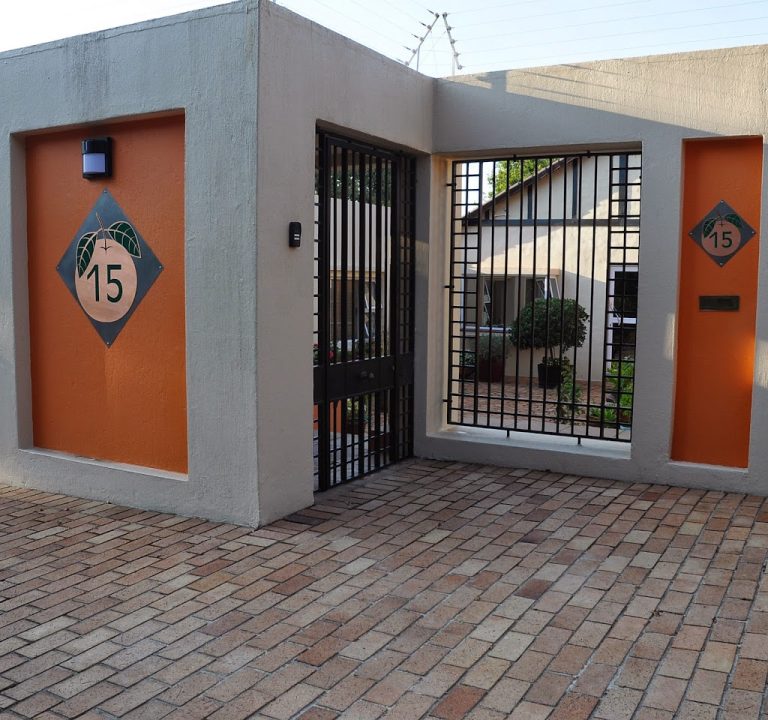
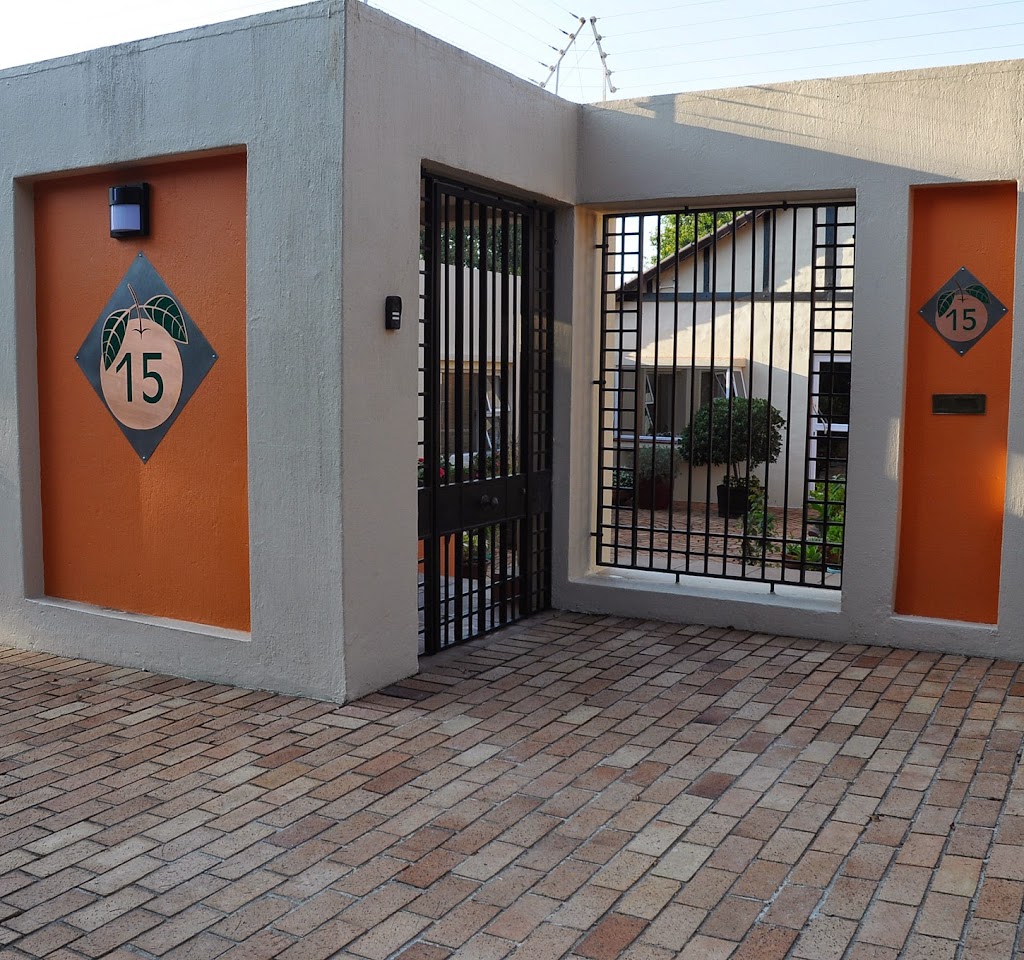
A practical example for planning a stay is 15 on Orange Guest House, a guest house that blends home comforts with easy access to Johannesburg’s central districts. Visitors can expect a warmly managed space in a location convenient for exploring local markets, historic sites and a range of dining options. The property’s website provides further details on room types, amenities, and how to plan day trips around the city: fifteenonorange.co.za.
Attractions and experiences in general terms
Johannesburg offers a broad spectrum of experiences, from national museums and thought-provoking exhibitions to street markets, parks and modern dining. Iconic museums commemorate the country’s complex history, while vibrant precincts showcase contemporary art, live music and community-led tours. Outside the city centre, day trips to nearby natural reserves offer a contrasting pace, and township-guided experiences provide context and perspective to the city’s past and present. Dining ranges from café culture and bistro favourites to diverse cuisines reflecting South Africa’s cosmopolitan demographics. When planning, balance indoor cultural visits with outdoor strolls through markets or parks to soak up Johannesburg’s energy and warmth.