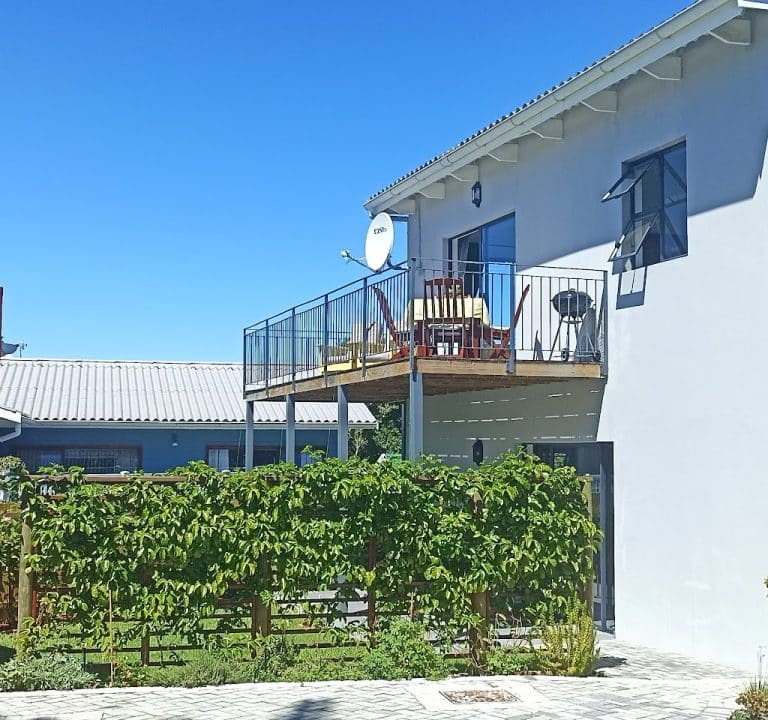
Accommodation and Attractions in Vermont, Western Cape: A Practical Guide for Visitors
The village of Vermont in the Western Cape offers a relaxed base from which to explore the broader Cape Town region and the coastline of the Western Cape. When planning a stay, consider staying in town centres or closer to the coast depending on whether your priorities are easy access to beaches, scenic walks, or a quieter, countryside ambience. Vermont provides a mix of small guesthouses, self-catering cottages, and intimate inns, many of which emphasise a personal touch and local character. Look for hosts who can offer insider tips on nearby hikes, farm stalls, and activities that suit different interests and energy levels.
Areas to consider for your stay include close-to-the-coast options for sea views and morning light, or inland spots that offer quicker access to wooded trails and panoramic viewpoints. Proximity to towns with amenities such as grocery shops, bakeries, and cafés can make daily planning simpler, while a slightly more secluded setting may provide greater tranquillity. When choosing accommodation, think about your movement patterns: is it easier to drive to beaches and viewpoints, or would you prefer to walk or cycle along quiet lanes? Check the property’s parking arrangements, accessibility, and whether the stay is self-catering, bed-and-breakfast style, or fully serviced, to match your itinerary.
What to look for when booking includes clean, well-maintained spaces, clear cancellation policies, and honest, up-to-date descriptions of rooms and facilities. Confirm whether breakfast is included or available as an add-on, and whether there are shared facilities such as kitchens, lounges, or outdoor spaces. If you are travelling with family or a group, assess the layout of rooms and whether there are suitable sleeping arrangements and safety features for children. For longer stays, ask about laundry facilities, Wi‑Fi reliability, and access to a kitchenette. Hosts in the area are typically well-placed to advise on safe neighbourhoods, optimal travel routes, and seasonal considerations such as wind, rain, or heatwaves that can affect outdoor plans.
Typical amenities you might encounter include en-suite bathrooms, comfortable beds with quality linens, air conditioning or heating, and outdoor seating with sea or mountain views. Some properties offer indoor fireplaces or braai (barbecue) areas for cooler evenings, while others provide well-equipped kitchens for guests who enjoy cooking their own meals. A reflectively landscaped garden, a pool, or a sunlit courtyard can be a welcome feature during relaxing days spent at the property. If you are exploring the local dining scene, many accommodation providers can point you to nearby eateries that focus on seasonal produce, seafood, and regional flavours without relying on grand prestige or fixed menus.
Transport arrangements are a practical consideration. A car is often the most convenient way to explore the wider region, giving you flexibility to reach beaches, viewpoints, and attractions at your own pace. If you do not plan to drive, check for easy access to transfers, shuttle services, or proximity to reliable taxi options. Road conditions in rural parts of the Western Cape are generally good, but it pays to be prepared for occasional delays or changes in weather, particularly outside peak summer months. If you’re flying in to the area, the closest major international gateways are typically a drive away, with domestic flights and car hire available at convenient hubs. Plan extra time for travel between destinations, and budget for potential delays during busy holiday periods.
Best time to visit Vermont and the surrounding region is influenced by weather, sea conditions, and wildlife sightings. Summer brings longer days and pleasant coastal temperatures, ideal for outdoor activities and beach days. Spring and autumn are often mild, with fewer crowds and a different slate of nature walks and viewpoints. Winter can be cooler and wetter, but still offers opportunities for cosy stays and nearby cultural or dining experiences. Whatever the season, packing layers, sun protection, sturdy footwear, and a compact daypack can help you make the most of outdoor excursions without overpacking.
Attractions and experiences in the broader area tend to focus on natural beauty and the easy rhythms of coastal life. You may choose to explore scenic coastal walks, viewpoints that reward thoughtful observation of the landscape, or farm stalls and markets that celebrate local produce. For food lovers, regional cuisine generally emphasizes fresh ingredients, with menus that reflect seasonal flavours. In planning day trips, consider combining light outdoor activities with moments of rest at cafés or small galleries that showcase local craft and art. If you have specific interests—such as birdwatching, hiking routes with moderate difficulty, or wine-tasting areas nearby—your accommodation hosts can usually tailor suggestions to suit you and help you build a balanced itinerary.
Practical tips for a smooth stay include verifying check-in and check-out times, arranging a flexible schedule that accommodates travel times between sites, and having a plan for rainy days. It can be helpful to book well in advance during peak periods and to confirm any special requests (such as ground-floor access, dietary needs for breakfast, or proximity to a particular beach). Always have a backup plan for outdoor days, including options for indoor activities or nearby towns with shops and cafés. By choosing comfortable accommodation with thoughtful amenities and using the local knowledge of hosts, you can enhance your Vermont experience and make the most of the Western Cape’s coastal charm and natural beauty.
For more detailed planning, you may wish to explore official tourism resources and reputable guides that describe the region’s landscape, transport links, and visitor information. Websites offering current activity calendars, seasonal highlights, and practical travel tips can help you refine your itinerary, ensuring a well-paced stay that aligns with your interests and budget. You can visit reflective pages of nearby towns and regions for general guidance and inspiration, and then tailor a personalised plan based on the options available in Vermont and its surroundings.