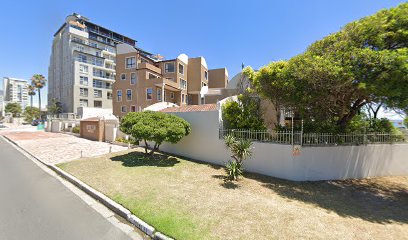
Accommodation and Getting the Most from a Stay in Cape Town, Western Cape
Capitals of natural beauty and human scale, Cape Town offers a diverse range of places to lay your head, from intimate BnBs and guesthouses to stylish boutique hotels and family-run lodges. When planning a stay, it helps to think about what you want to experience in the city and nearby wine routes, coastal vistas, and mountain trails. Public transport, walkability, and easy access to waterways can shape your choice of neighbourhood as much as the comfort of your room.
Areas to consider include the City Bowl for a central, walkable base close to eateries, cultural venues, and markets; the V&A Waterfront for easy harbour views and a lively atmosphere; Camps Bay and Clifton for long sandy beaches and sunset splendour; and the Atlantic Seaboard’s verdant foothills for chic stays with sea views. If you prefer a slower pace and green scenery, Constantia and Noordhoek offer spacious lodges and guesthouses with pool and garden space, while the Cape Winelands around Stellenbosch, Franschhoek, and Paarl provide a short drive to world-class wine estates and gourmet dining in a rural ambience.
When booking, look for clear cancellation policies and transparent house rules, especially if you are travelling with children or pets. Check the level of privacy and the type of breakfast offered—whether self-catering, B&B style with a continental spread, or a cooked option. Verify parking arrangements if you plan to hire a car, and consider proximity to your planned activities. For reliability, ask about guest reviews that mention soundproofing, air conditioning or heating, and the responsiveness of hosts or front desk teams.
Typical amenities that travellers value in Cape Town include free Wi‑Fi, comfortable bedding, well-equipped kitchens or kitchenettes, and outdoor spaces such as balconies or verandas with views. A light-filled living area, a well-appointed bathroom, and reliable heating for windy evenings can make a big difference. In many guesthouses and small hotels, hosts offer insider tips on local markets, hidden beaches, and lesser-known viewpoints, which can enrich your itinerary and lead to more authentic experiences.
Transport is a practical consideration. The city has a mix of organised tours, ride-hailing services, and bus routes. In central areas, walking is pleasant, but for coastal or winelands explorations a car or private driver is convenient. If you don’t plan to drive, check whether the property provides transfer options or is linked to reputable local operators for day trips to the Cape Point reserve, Boulders Beach penguin viewing, or partnerships with guided walks to Table Mountain. For urban explorers, easy access to MyCiTi bus stops or nearby rail stations can keep you connected without the stress of parking in busy parts of town.
The best time to visit Cape Town depends on what you want from your trip. The late spring and summer months bring long days and vibrant outdoor life, with magnificent coastal scenery and outdoor markets. Autumn offers softer light and fewer crowds, ideal for hiking and vineyard visits. Winter is quieter and cooler, with a different mood and the chance to experience indoor cultural venues, cheese-and-wine tastings, and coastal storms from the comfort of a cosy lounge. Pack layers, a light waterproof layer for sudden showers, and sunscreen for high-angle sun on clear days.
Accommodations in Cape Town span a spectrum of styles. In the City Bowl or De Waterkant, contemporary rooms with city views and easy access to dining and nightlife suit solo travellers and couples who want a central base. The Waterfront district blends harbour views with a shopping and dining hub, often with direct access to harbour walks. Scenic Atlantic Seaboard properties along Camps Bay and Llandudno offer direct sea access and sunset backdrops, while Constantia and the southern suburbs provide leafy estates, garden settings, and a quieter pace, ideal for a restorative stay after day trips to the winelands.
To make the most of your trip, plan at least one or two longer day trips, such as a coastal drive to the Cape Point reserve or a wine-tasting circuit around Stellenbosch or Franschhoek. If your schedule is flexible, consider including a morning hike up Table Mountain or a guided nature walk in Kirstenbosch National Botanical Garden to see the fynbos up close. For food lovers, the city’s restaurant scene ranges from casual Cape Malay meals to modern regional cuisine; allow time to explore vibrant markets and small eateries in addition to formal dining options. If you have a flexible itinerary, you can balance restful days with outdoor adventures and cultural experiences in equal measure.
Practical tips to keep in mind include securing accommodation with clear access to a safe neighbourhood, verifying property security, and understanding the access arrangements for late arrivals. Bring a small adapter for South Africa’s plug types, and keep a lightweight bag for day trips. When dining out, it’s common to share tables in popular eateries and to try a mix of seasonal dishes and regional specialities. If you’re curious about planning more independently, visitor information sites and official tourism portals can offer suggested routes, seasonal events, and sample itineraries to help shape a comfortable, balanced stay.
- Consider base areas by your interests: city culture, beach and nightlife, or wine country serenity.
- Factor travel time to planned activities when choosing accommodation; coastal roads can be busy in peak season.
- Ask about hosts’ tips for safe, enjoyable outings and hidden gems beyond the usual highlights.