Keurboomstrand: Accommodation Planning, Attractions, and Practical Tips for a Coastal Break
Perched along the sun-kissed coastline of the Western Cape, Keurboomstrand offers a relaxed mix of sandy beaches, forested hills, and unhurried South African hospitality. Whether you’re seeking a boutique stay by the sea or a comfortable base to explore Plettenberg Bay and the surrounding Garden Route, planning your accommodation in advance helps you make the most of this scenic corner of the world. Here we cover what to consider when booking, what to expect in terms of amenities and transport, and how to balance time between beach days, nature walks, and local dining.
Areas to consider when choosing where to stay in Keurboomstrand include:
- Near the beach: If you crave easy access to the shoreline, look for properties within a short walk to the sand. These spots are ideal for morning jogs, beach walks, and sunset moments with minimal transport time.
- Close to Keurboom River or coastal forests: For a quieter ambience and opportunities to explore nature trails, select accommodations nestled in or near the wooded edges of the village.
- Proximity to Plettenberg Bay: A short drive from Keurboomstrand, Plettenberg Bay offers broader dining, shopping, and day-trip options while still keeping the Keurboomstrand vibe close at hand.
When booking, consider the following key factors:
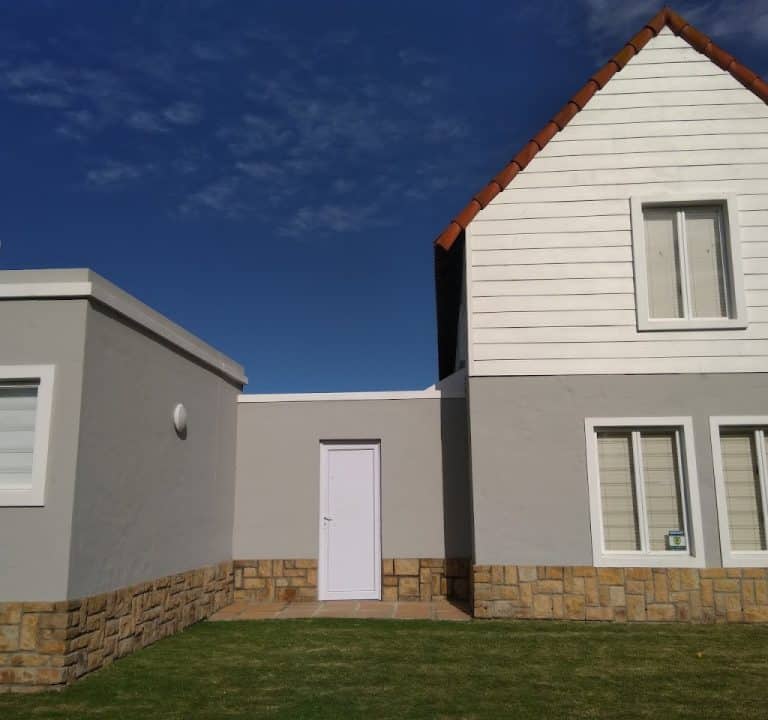
- Type and style of the property: From intimate guesthouses to small hotels such as those marketed under the local category, the atmosphere can range from rustic coastal charm to modern comfort. Decide whether you want self-catering options, full-service rooms, or a mix.
- Room layouts and privacy: If travelling with family or a group, look for suites or self-contained units with separate sleeping areas and convenient kitchen facilities.
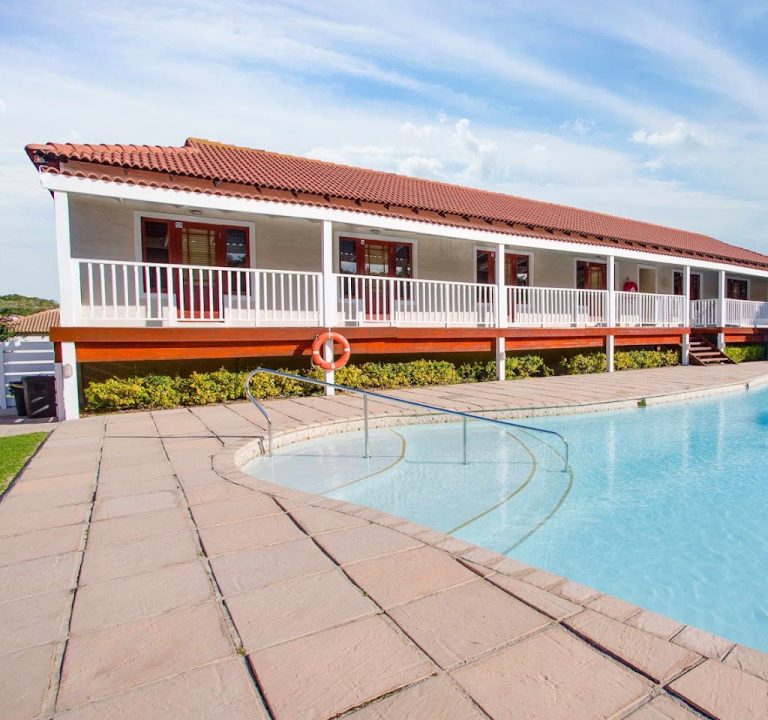
- Amenities: Typical offerings might include free Wi-Fi, parking, daily housekeeping, and outdoor spaces. For longer stays, check for laundry facilities and kitchen access. A pool can be a welcome feature for downtime after beach days, while a veranda or garden seating area can enhance relaxation.
- Accessibility and mobility: If you require easy access in and out, or a ground-floor room, verify stair-free entry and adaptable bathrooms where possible.
- Flexibility and policies: Review cancellation terms, arrival times, and whether your stay includes breakfast or access to shared dining areas.
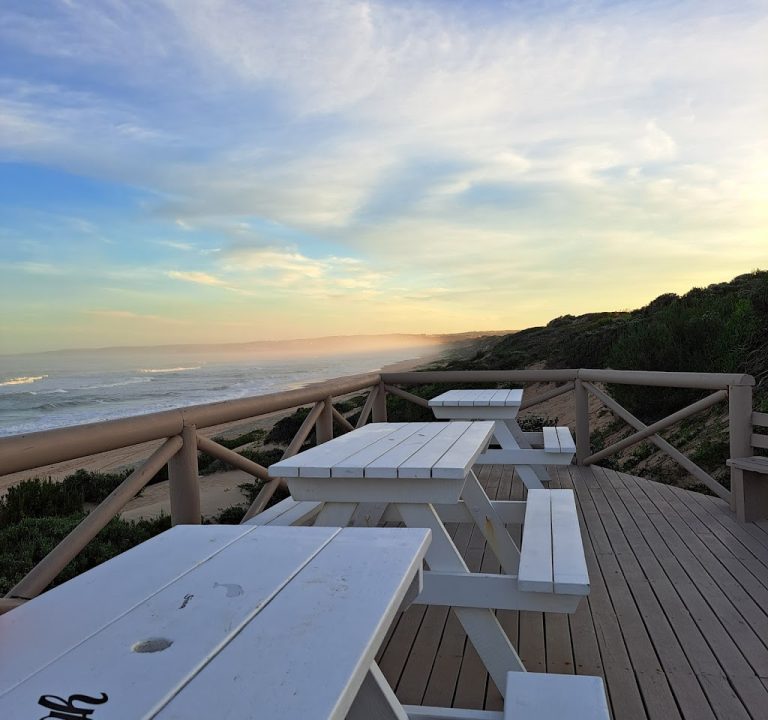
Typical amenities you might encounter in Keurboomstrand include comfortable rooms with en-suite bathrooms, bird-song mornings, and gardens that invite quiet reflection. Look for accommodation that integrates with the landscape—patios overlooking dunes, decks with sea breezes, and outdoor dining spaces can transform a simple stay into a memorable retreat. Wi-Fi is increasingly reliable in guesthouses and hotels along the coast, but it’s wise to temper expectations for high-bandwidth demands during peak holiday periods. If you plan to work remotely or stay longer, confirm connectivity and power reliability in advance.
Transport and getting around are straightforward but do require some planning. The area is best explored with a car, giving you freedom to move between beaches, forest trails, and nearby towns at your own pace. If you’re relying on public transport or organised tours, check nearby pickup points or local shuttle options offered by your accommodation. For longer day trips along the Garden Route, a comfortable vehicle and a flexible itinerary help you maximise time on the road rather than waiting in transit.
Best time to visit Keurboomstrand balances weather, crowds, and coastal activity. Summer (roughly November to February) brings warmer sea temperatures and longer days, perfect for beach days and coastal hikes. Autumn (March to May) and spring (September to November) offer milder conditions with fewer crowds, which is ideal for slower walks in the dunes or forest edges. Winter (June to August) is cooler and more unpredictable, yet still offers dramatic skies and quieter beaches. Pack layers for changeable coastal weather, sun protection for the midday hours, and sturdy footwear for sand and boardwalks.
Activities and experiences in the broader Keurboomstrand area are varied yet relaxed. Expect gentle coastal walks along well-marked paths, opportunities to observe seabirds and other wildlife, and the chance to dip into local cafés for light meals and refreshments. Restaurants in the vicinity tend to emphasise fresh seafood, garden-to-plate dishes, and casual tavern-style menus. When planning meals, choose venues that showcase seasonal produce and support local suppliers, while remaining mindful of your budget and dietary requirements. If you prefer self-catering, many properties provide kitchen facilities or communal cooking areas to enjoy a home-cooked meal with a sea view.
Practical tips to help you plan and enjoy your stay:
- Book early during peak season and holidays to secure preferred rooms and beach access. Consider midweek stays for better rates and quieter surroundings.
- Ask about parking arrangements, especially if your accommodation is close to the beach or within a compact village layout.
- Verify if breakfast or other meals are included, and whether there are guest kitchens or barbeque areas for flexible dining.
- Bring a small travel adaptor if needed, as electrical outlets and voltage can vary in boutique properties with characterful designs.
- Plan a mix of beach days, nature walks, and gentle town exploration to avoid fatigue and ensure you return refreshed.
In summary, Keurboomstrand offers a serene coastal escape where the choice of accommodation—from beachfront rooms to forest-edge lodges—sets the tone for your stay. With careful planning around location, amenities, and transport, you can tailor a trip that blends sun, sea, and South African hospitality. For those seeking an intimate yet well-connected base in the Western Cape, Keurboomstrand remains a approachable option that pairs simple pleasures with easy access to the broader Garden Route experiences.